Life-safety pumps

Fire Pumps

A fire pump is not just a big water pump. It is part of a code-regulated life-safety system. Its job is to deliver required fire protection water flow and pressure when the normal supply needs help.

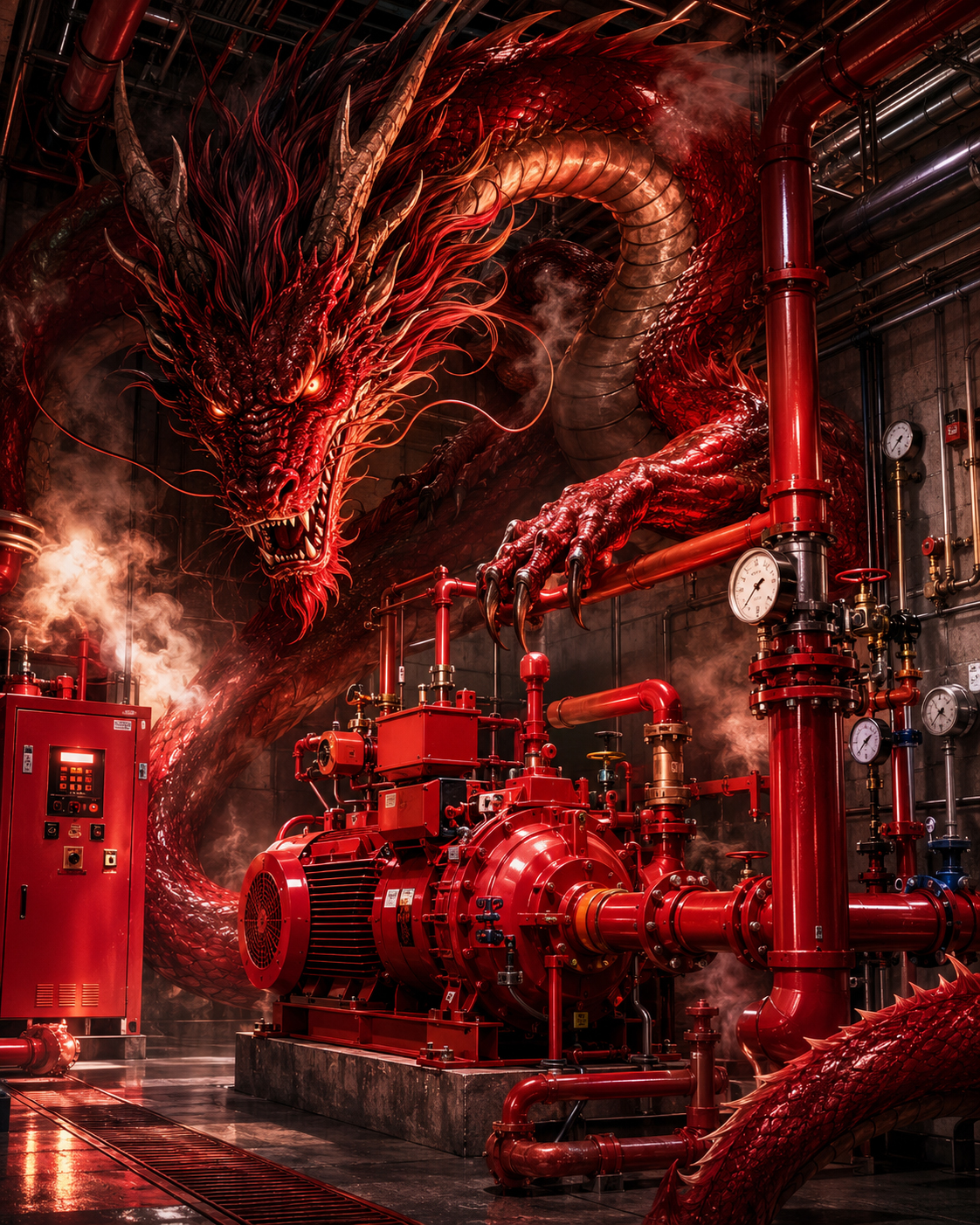
Fire Pump Dragon in a fire pump room with code books, red pump equipment, gauges, and piping

Plain-English answer

A fire pump supports fire protection water delivery.

A fire pump boosts pressure and flow for fire protection systems such as sprinklers, standpipes, hydrant systems, or other protected water systems when the available supply is not enough by itself.

Because failure can affect life safety, fire pumps require qualified design, installation, inspection, testing, maintenance, and documentation.

Fire pump work is not DIY pump work. This page explains concepts only.
Purpose

The pump fills a fire protection gap.

The water supply may have enough volume but not enough pressure, or the building system may need controlled performance during a fire event. The fire pump is selected to meet a specific design demand.

The question is not “Does it pump water?” The question is whether it meets the required fire protection demand.
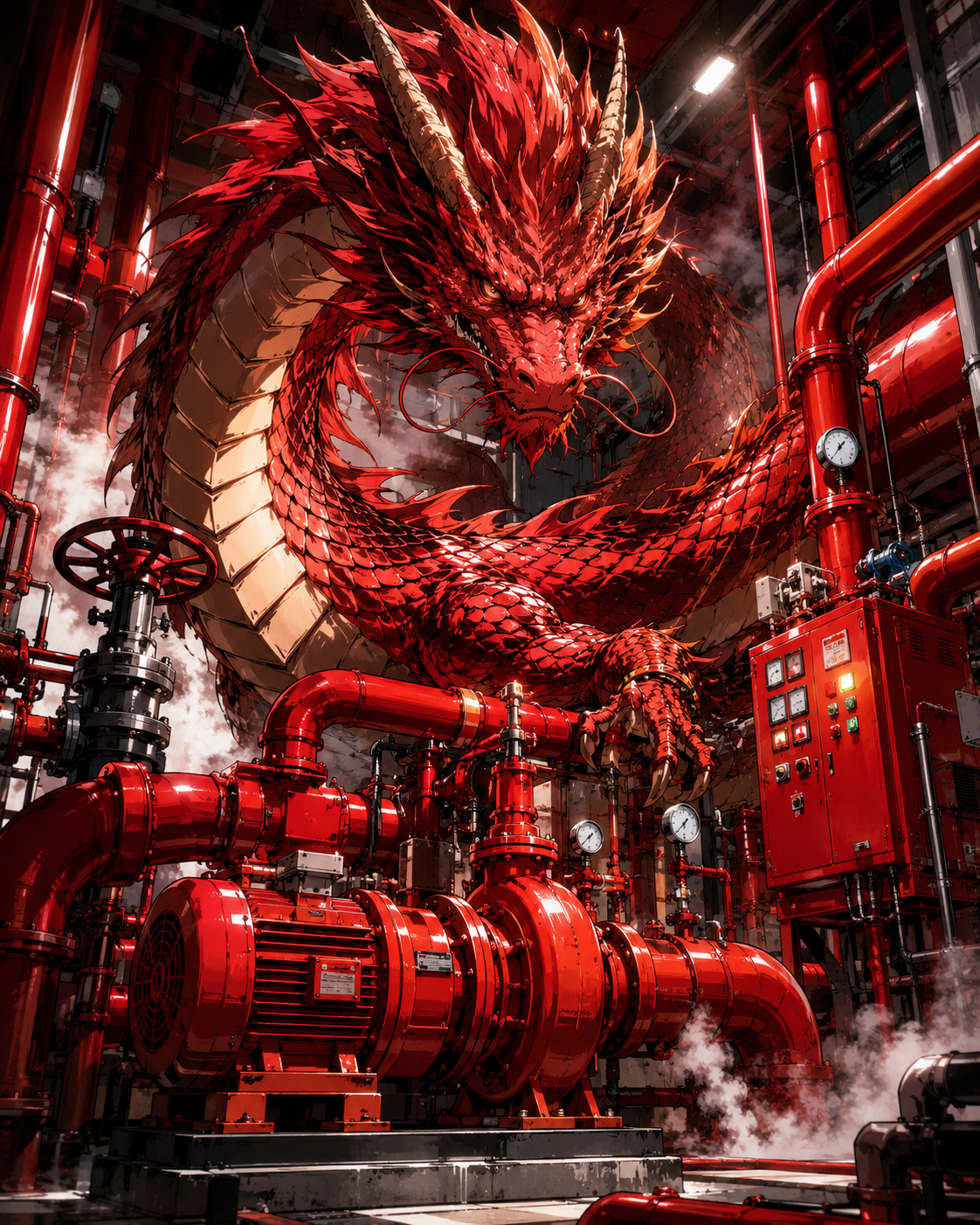
Fire Pump Dragon inside a red industrial fire pump room
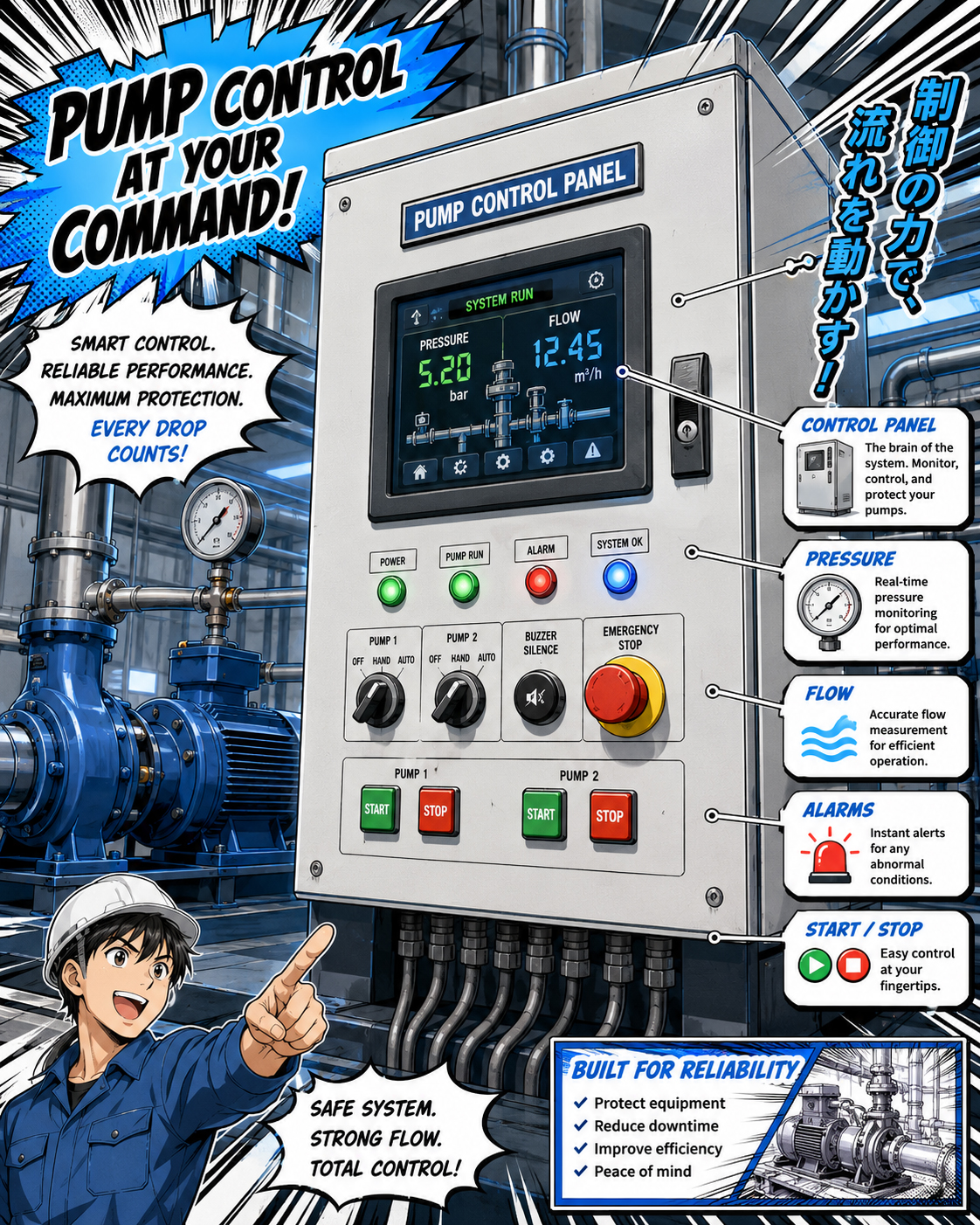
Pump control panel with switches, gauges, and warning lights
Controller

The fire pump controller is special equipment.

A fire pump controller is not a regular pump switch box. It supervises and starts the fire pump according to the system design and applicable rules. Power, starting, alarms, signals, and status all matter.

Treat controller changes, wiring, testing, and service as qualified professional work.

Jockey pump

A smaller pump keeps normal pressure steady.

A jockey pump helps maintain normal system pressure so the main fire pump does not start for small pressure losses, tiny leaks, or ordinary system drift.

The jockey pump is not the fire pump. It is the pressure-maintenance helper.
Fire pump room with Fire Pump Dragon watching the equipment
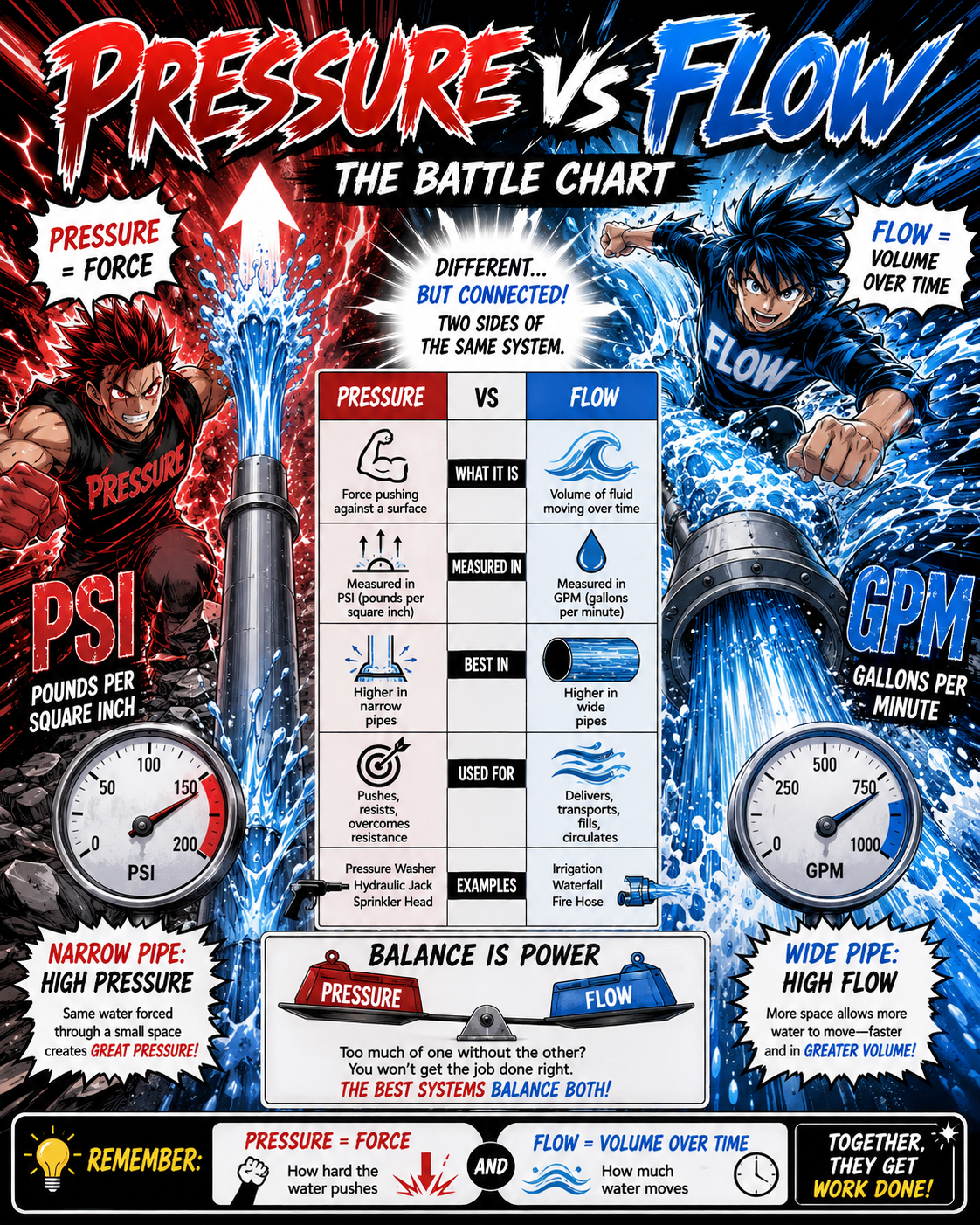
Pressure versus flow chart for pump systems
Demand

Fire pumps need both flow and pressure.

A pressure gauge alone is not the whole story. The fire protection system needs required water flow at required pressure under the intended design condition.

That is why testing and records are part of the life-safety picture.

Testing

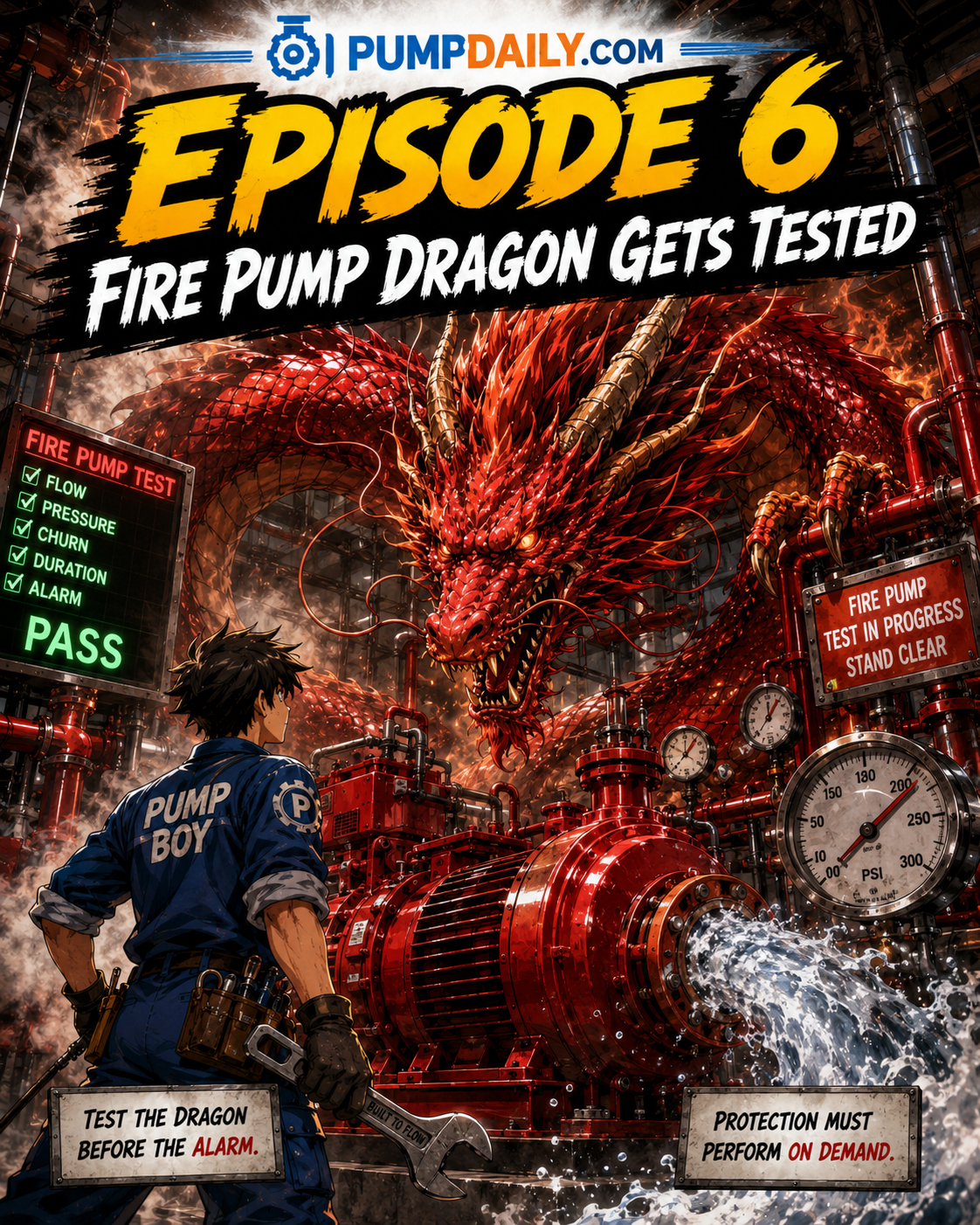
Testing confirms readiness.

Fire pump testing observes whether the pump, controller, water supply, valves, gauges, drains, alarms, and related equipment behave as expected under test conditions.

Fire Pump Dragon does not accept “it looked fine last year” as a test result.
Episode cover showing Fire Pump Dragon during a fire pump test
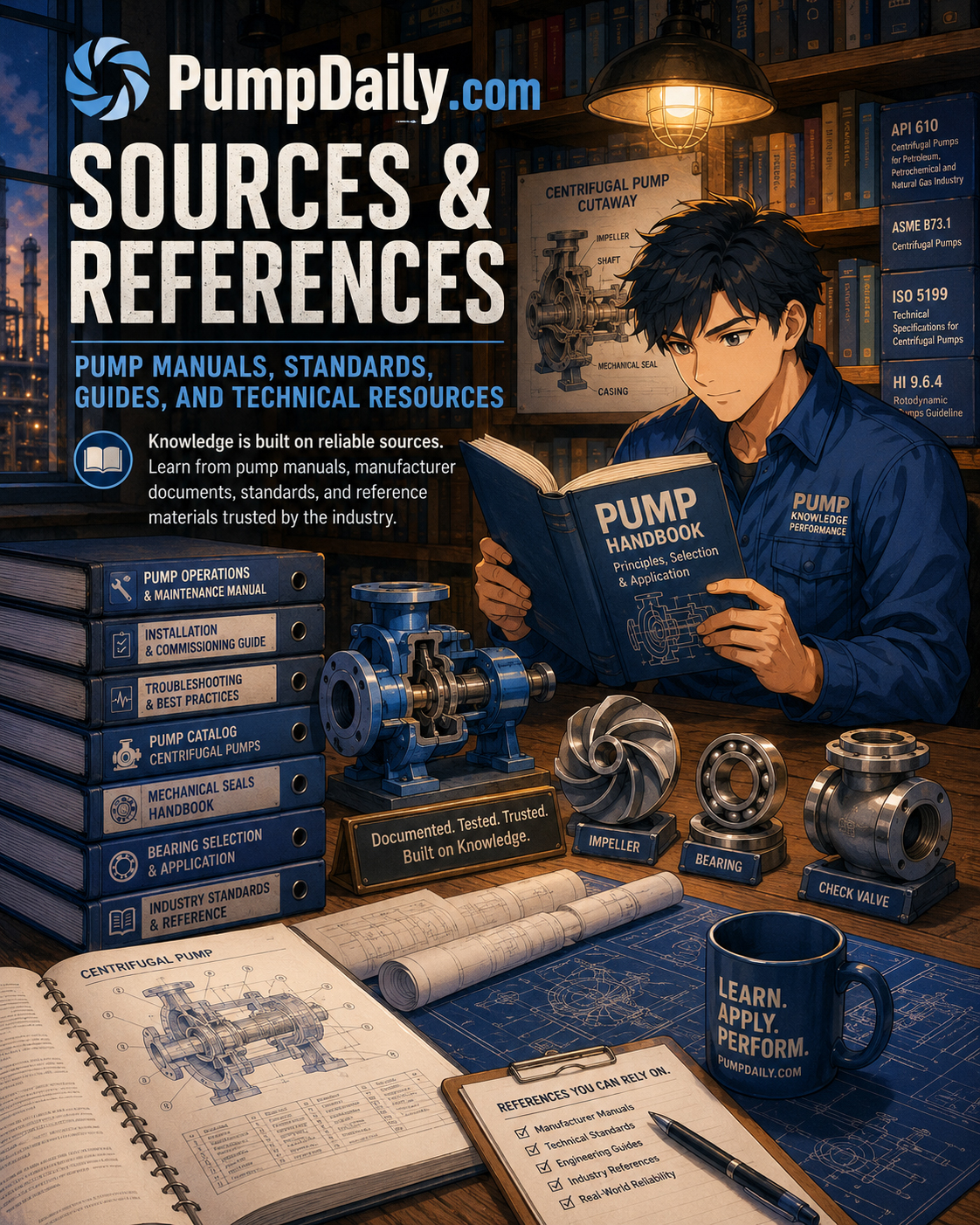
PumpDaily source library with pump manuals, code books, and technical documents
Records

Documentation matters.

Inspection, testing, and maintenance records help show what was tested, when, by whom, and what was found. Missing records are a problem because fire protection systems rely on accountability and repeatable maintenance.

Valves

Valve position can make or break the system.

Fire pump systems may include suction valves, discharge valves, test headers, drains, relief arrangements, check valves, and supervisory devices. A closed or mispositioned valve can create a serious hazard.

In fire protection, “almost open” and “not supervised” are not casual details.
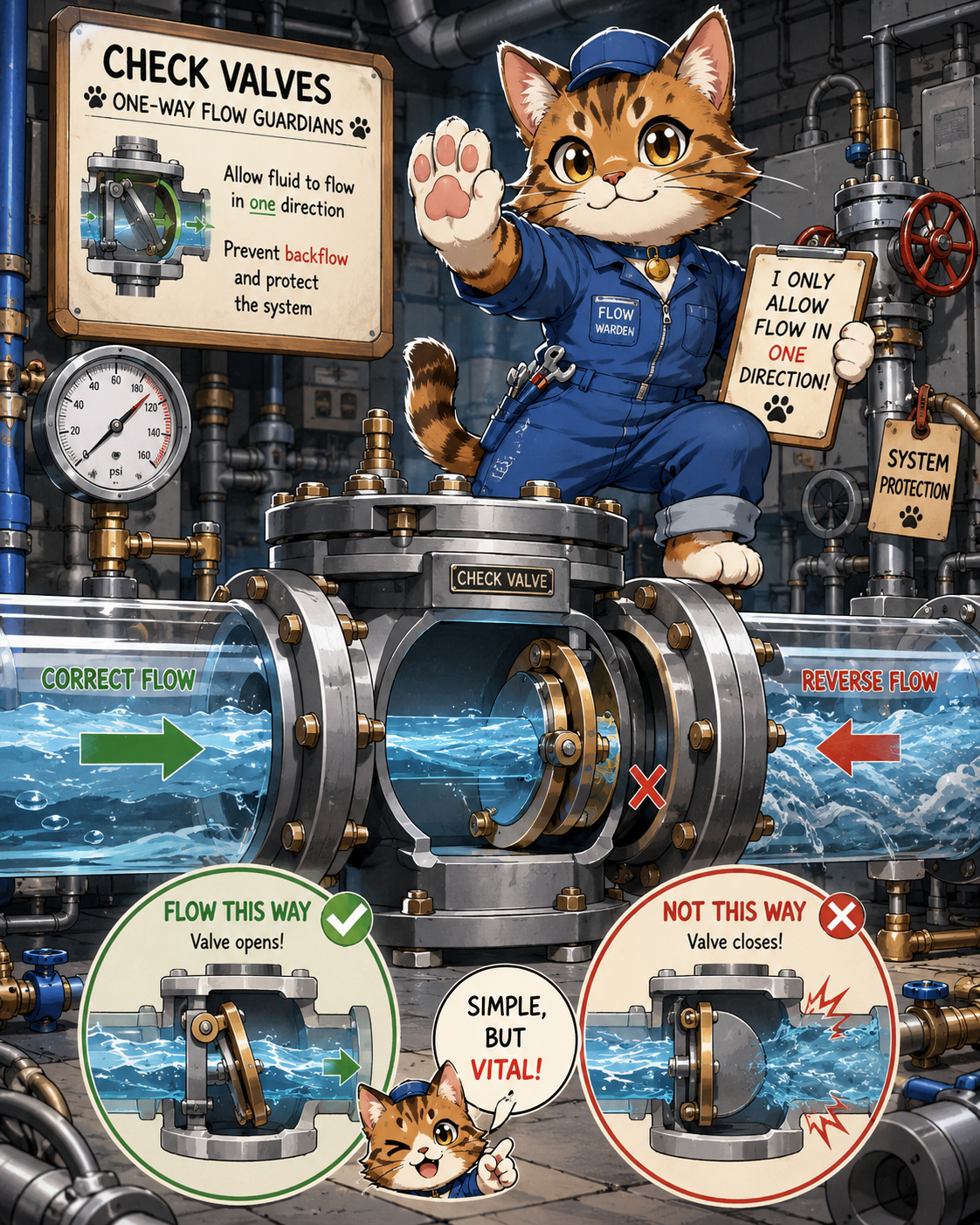
Check Valve Cat guarding one-way flow in a pump system
PumpDaily warning panel with safety icons and pump room hazards
Boundaries

PumpDaily is not a fire protection design manual.

Fire pump systems require applicable codes, standards, local authority requirements, manufacturer instructions, qualified contractors, and documented testing.

This page is for basic education, vocabulary, and concept orientation only.

Fire pump concepts at a glance

Concept Plain-English meaning Why it matters
Fire pump A pump that supports fire protection water delivery. Life-safety systems require dependable performance.
Controller Special equipment that manages fire pump starting and status. Improper control work can compromise protection.
Jockey pump A smaller pressure-maintenance pump. Prevents the main pump from starting for minor pressure changes.
Flow test A test that evaluates water delivery under controlled conditions. Confirms more than a static gauge reading.
Supervision Monitoring important equipment conditions such as valve position or signals. Helps identify unsafe or abnormal conditions.
Records Inspection, testing, and maintenance documentation. Supports accountability and continuity.

Keep learning

Related PumpDaily guides

Safety note: Fire pumps are code-regulated life-safety systems. This page is educational only and is not engineering, fire protection design, inspection, testing, maintenance, or legal advice.