Solar pumping

Solar Pumps

A solar pump system uses sunlight to move water, but the real design target is not panel wattage. The real target is dependable water delivery: gallons per day, required head, pressure, storage, controls, and backup strategy.

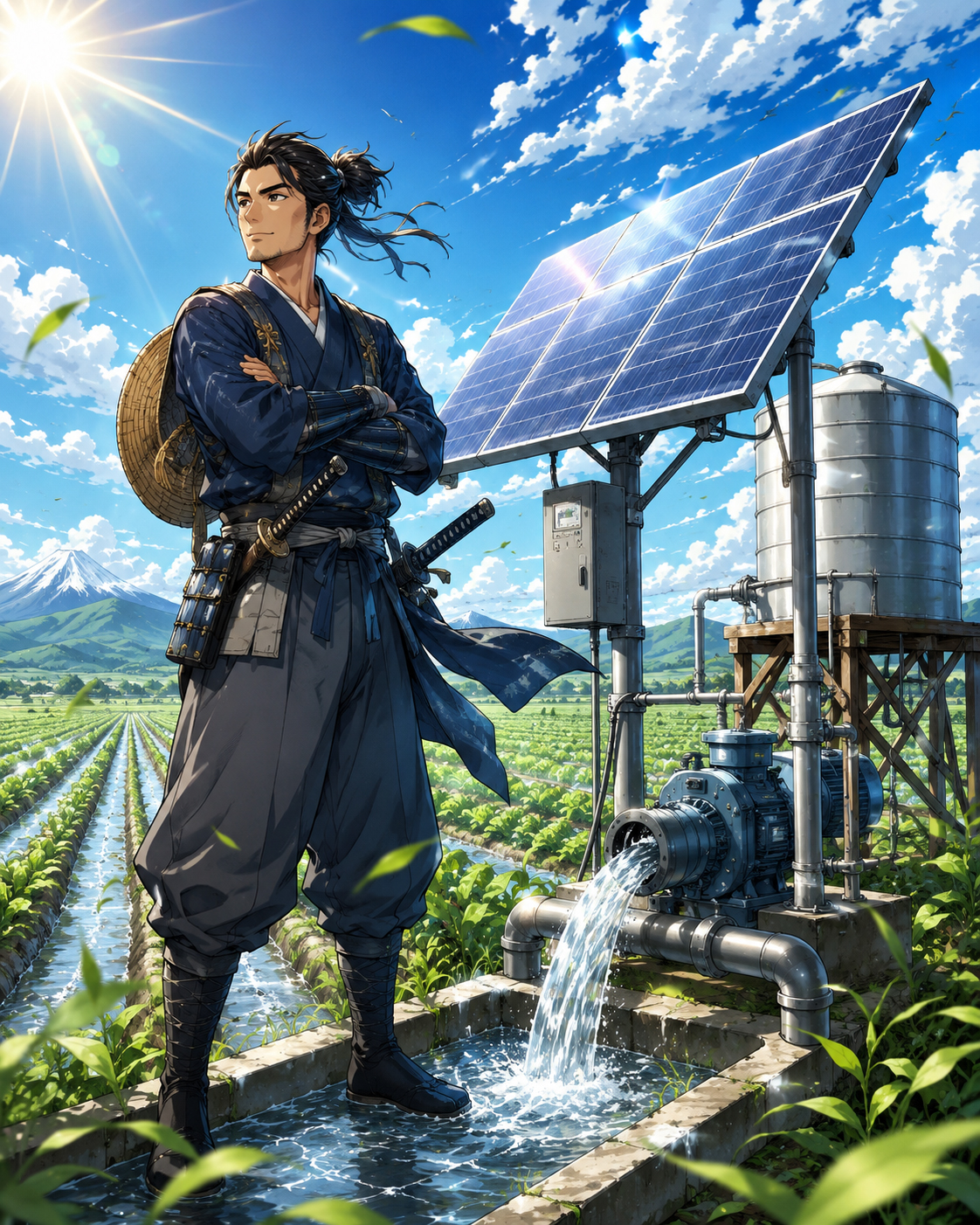
Solar Pump Samurai standing in an irrigation field with solar panels and pump equipment

Plain-English answer

A solar pump turns sunlight into delivered water.

The solar array makes electricity. The controller manages that power. The pump moves water. The pipe, elevation, tank, valves, filters, and demand decide whether the water actually arrives where needed.

A good solar pump design starts with the water requirement, not the panel count.
Mission first

Start with gallons per day.

The first question is not “How many panels?” It is: how much water is needed each day, during what season, at what pressure or head, and with what reserve?

Peak watts are exciting. Delivered water is the mission.
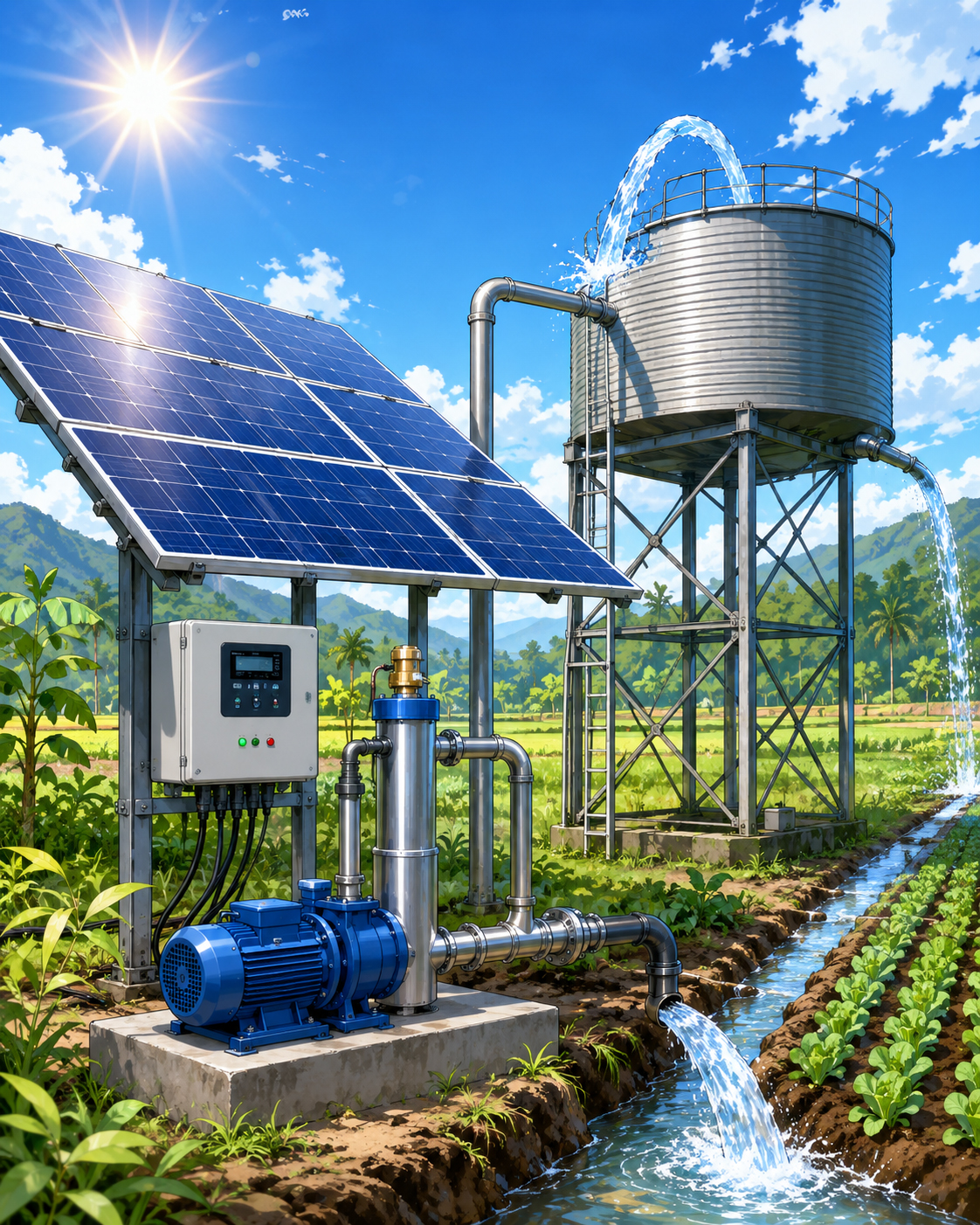
Solar panels powering a pump system with a water tank
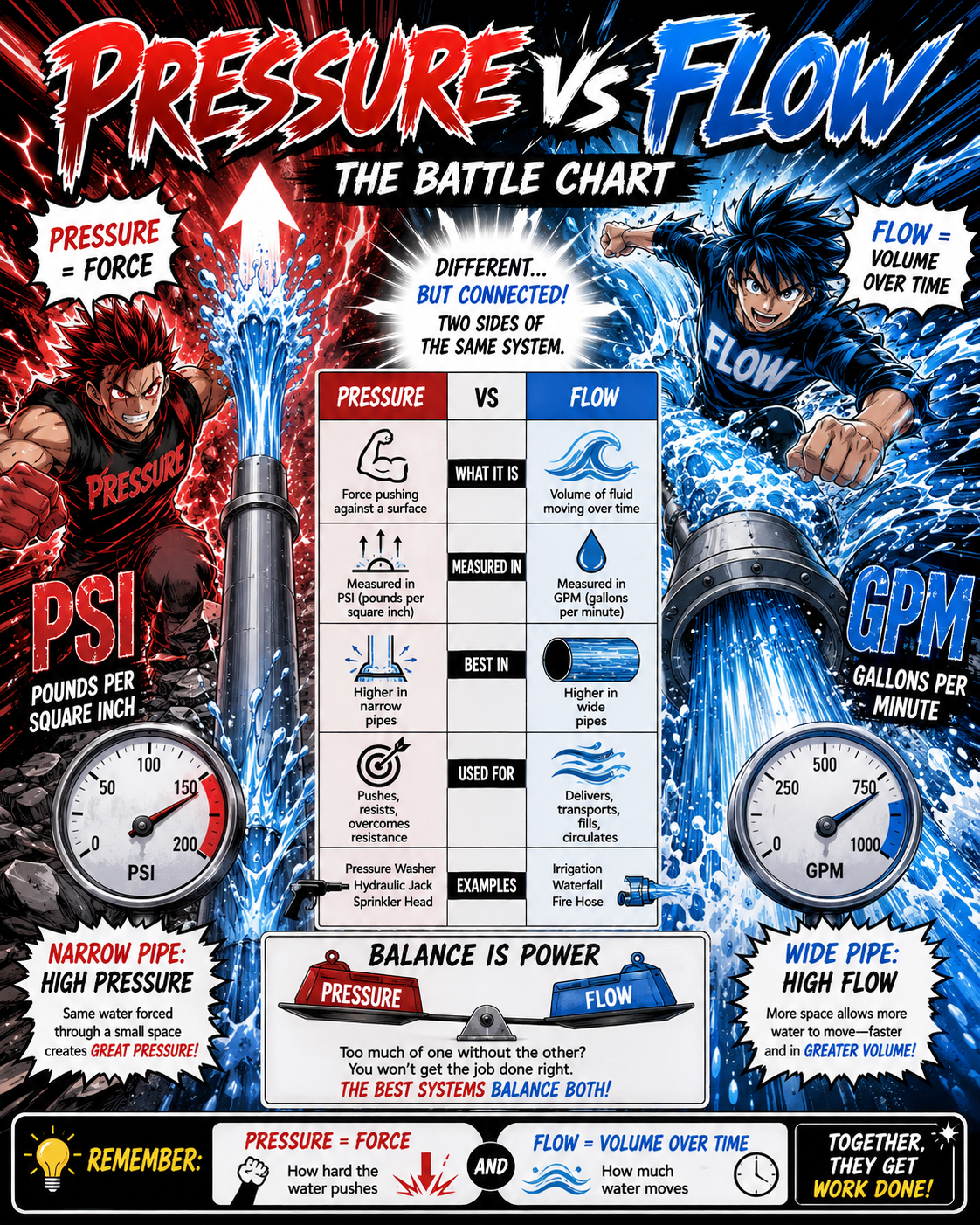
Pressure versus flow chart for pump systems
Head and flow

The pump still has to beat the system.

Solar power does not cancel pump physics. The pump must move the required flow against elevation, pipe friction, valves, filters, emitters, tanks, and pressure requirements.

A pump that works at low head may fail badly when the lift, pipe run, or pressure demand increases.

Sunlight changes

The sun is not a steady generator.

Solar output changes with clouds, season, temperature, panel angle, dust, shade, morning, evening, and weather. A system designed only around perfect noon conditions will disappoint people.

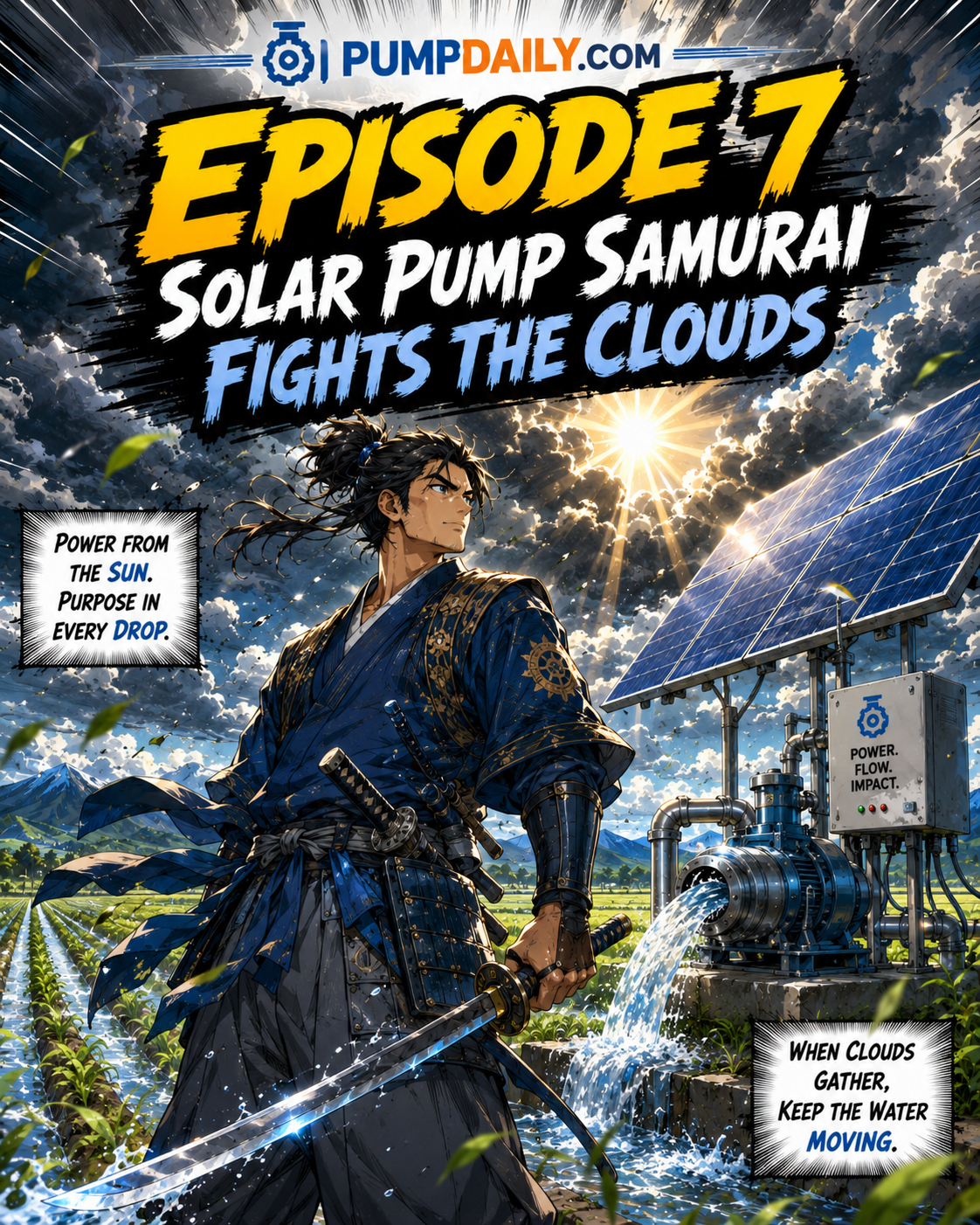
Solar Pump Samurai plans for the cloudy parts, not just the sunny brochure photo.
Solar Pump Samurai fighting clouds over a solar pump system
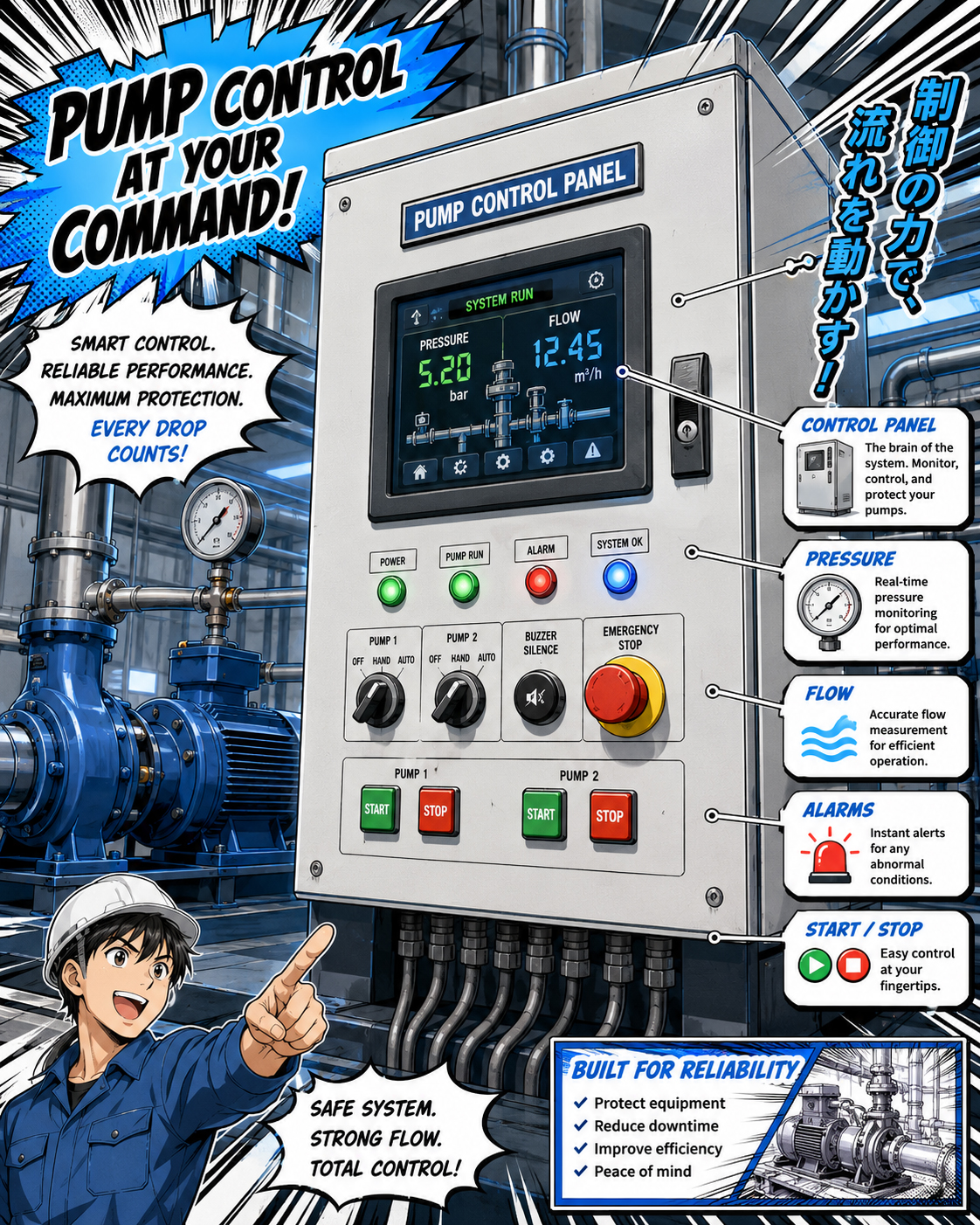
Pump control panel for managing solar pump operation
Controls

The controller is not decoration.

A solar pump controller helps match available PV power to the pump and motor. Depending on the system, it may provide soft starting, speed control, dry-run protection, float inputs, tank-level control, or fault protection.

Storage

A water tank is often the simplest battery.

If water can be pumped during sunny hours and used later, a tank may provide practical storage without the cost and complexity of battery storage.

Store water when possible. Store electricity when necessary.
Solar pump panels and a water storage tank
PumpDaily warning panel with electrical and pump safety symbols
Batteries

Batteries add capability and complexity.

Batteries can help when pumping must continue without sun, but they add cost, space, controls, maintenance, safety rules, fault protection, and design responsibility.

Sometimes the better solution is more tank storage, lower demand, better scheduling, or a hybrid power source.

Wells

Solar well pumps must respect the well.

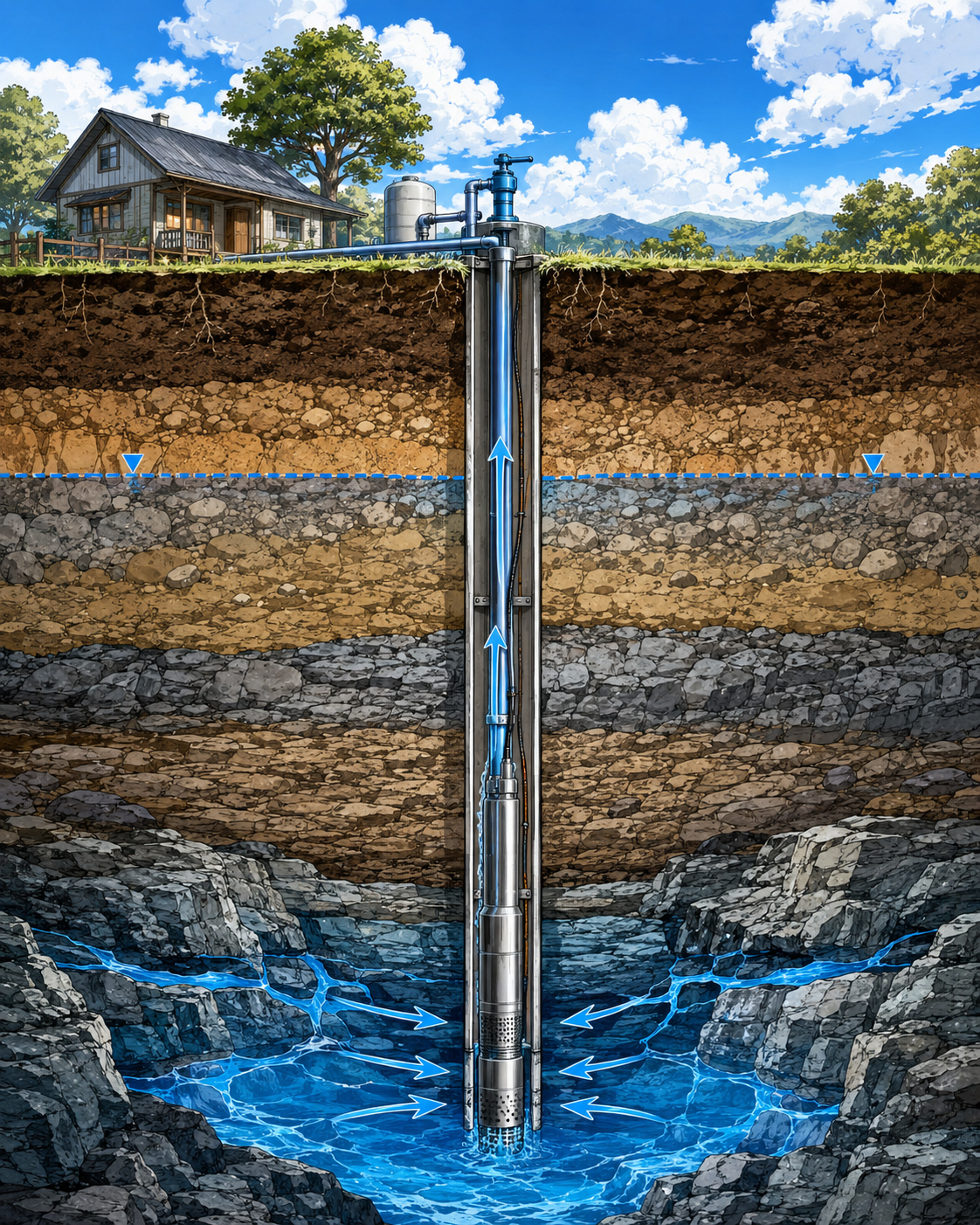
A well pump must match water level, drawdown, recovery rate, depth, pipe size, pressure requirements, pump curve, and daily water demand. Pumping faster than the well can recover is not a victory.

Deep earth cutaway showing a well pump system
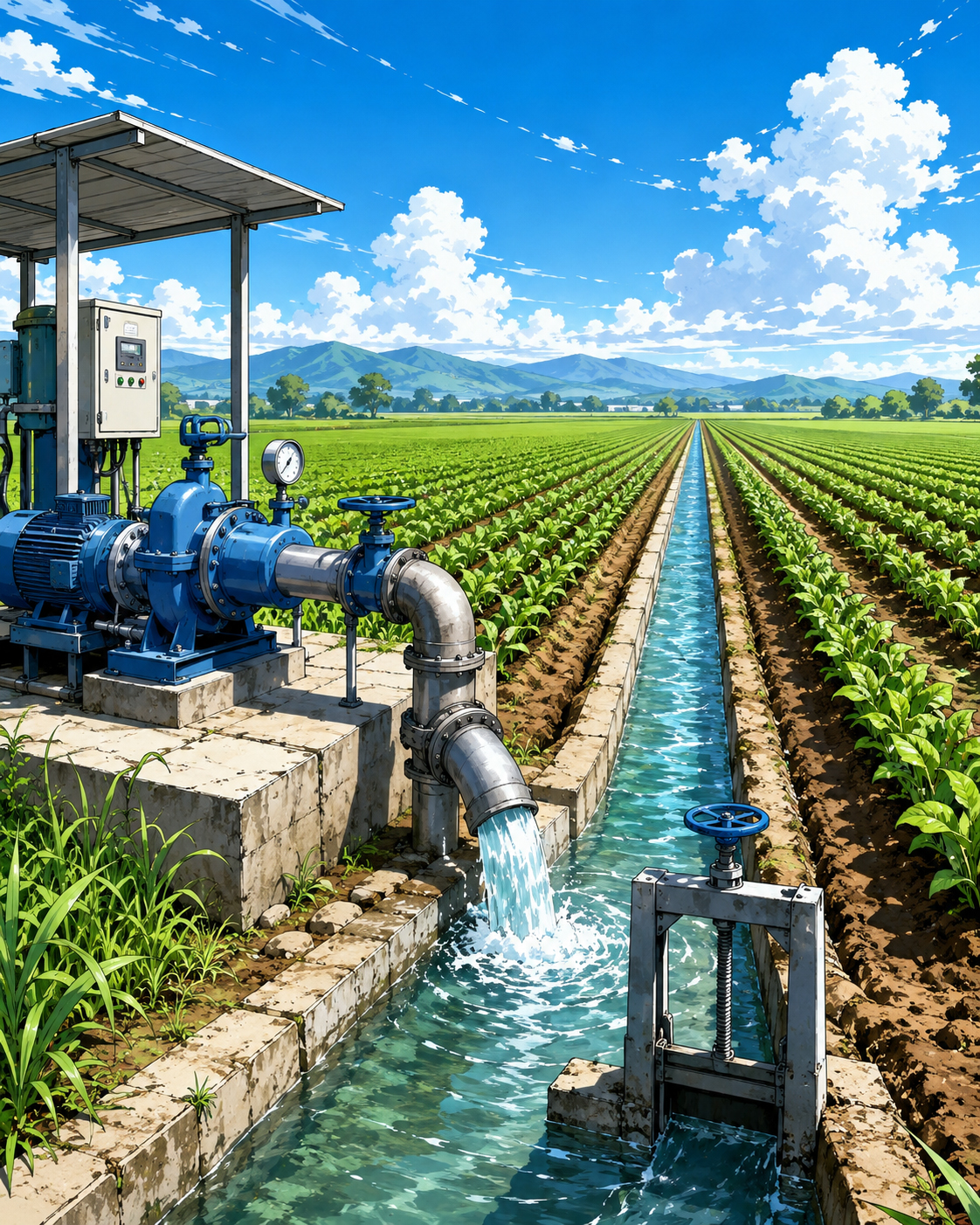
Irrigation field lines being supplied by a pump system
Irrigation

Solar irrigation needs schedule discipline.

Irrigation demand changes by crop, soil, weather, zone size, emitter type, filter condition, season, and water rights or site rules. The pump system must match the actual watering schedule, not just an average number.

Solar pump design questions

Question Why it matters Bad shortcut
How many gallons per day? Defines the actual water mission. Starting with panel count.
What total dynamic head? Includes lift, pressure, pipe friction, valves, filters, and destination needs. Looking only at vertical lift.
When is water needed? Determines whether direct solar pumping, tank storage, batteries, or hybrid power is needed. Assuming water demand happens only at noon.
What is the water source? Wells, tanks, ponds, cisterns, and canals have different limits. Ignoring source recovery or debris.
What controls are required? Float switches, pressure controls, dry-run protection, and controller settings protect the system. Hardwiring without protection.
What happens during cloudy weather? Defines reserve strategy and customer expectations. Sizing from perfect-sun output only.
Reality check

A solar pump system is still a pump system.

The same problems still apply: clogged filters, undersized pipe, air leaks, bad check valves, wrong pump curve, poor suction, poor controls, and unrealistic demand.

Solar solves the power source. It does not forgive bad hydraulics.
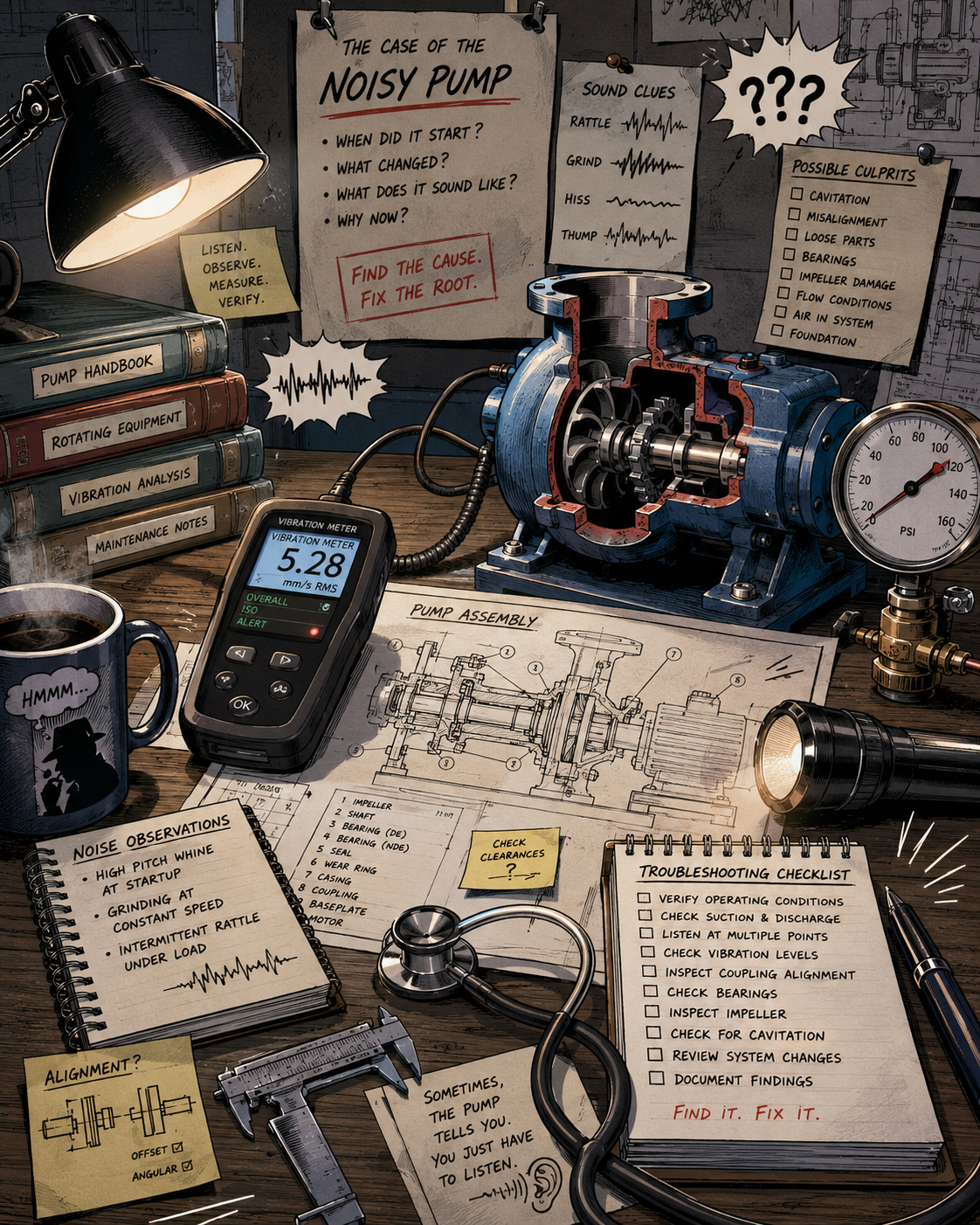
Pump troubleshooting desk with notes, gauges, and diagnostic clues

Keep learning

Related PumpDaily guides

Safety note: Solar pump systems may involve DC electricity, motors, batteries, wells, water quality, pressure, grounding, trenching, and code requirements. PumpDaily is educational only.