Pump family

Irrigation Pumps

An irrigation pump moves water to sprinklers, drip lines, emitters, tanks, fields, orchards, gardens, or landscape zones. Good irrigation pumping starts with the zone demand: flow, pressure, filtration, pipe losses, elevation, and schedule.

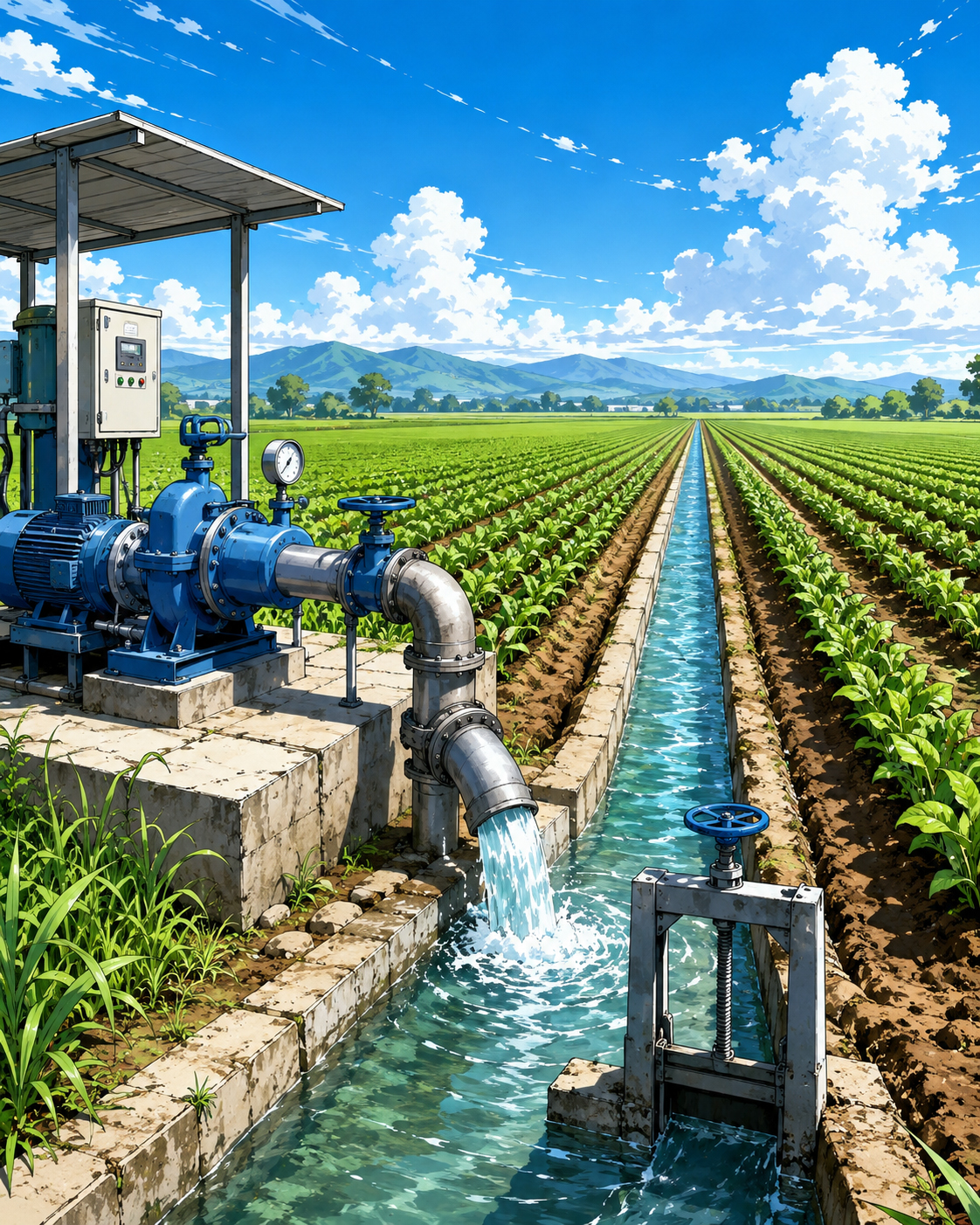
Irrigation pump feeding field lines in a sunny landscape

Plain-English answer

An irrigation pump is selected around the watering job.

The pump must deliver enough water at the pressure the irrigation equipment needs. A sprinkler zone, drip zone, field line, orchard block, greenhouse, or tank fill all have different requirements.

The best question is not “What pump is big enough?” It is “What does this zone actually require?”
Zone demand

Each zone has a flow and pressure target.

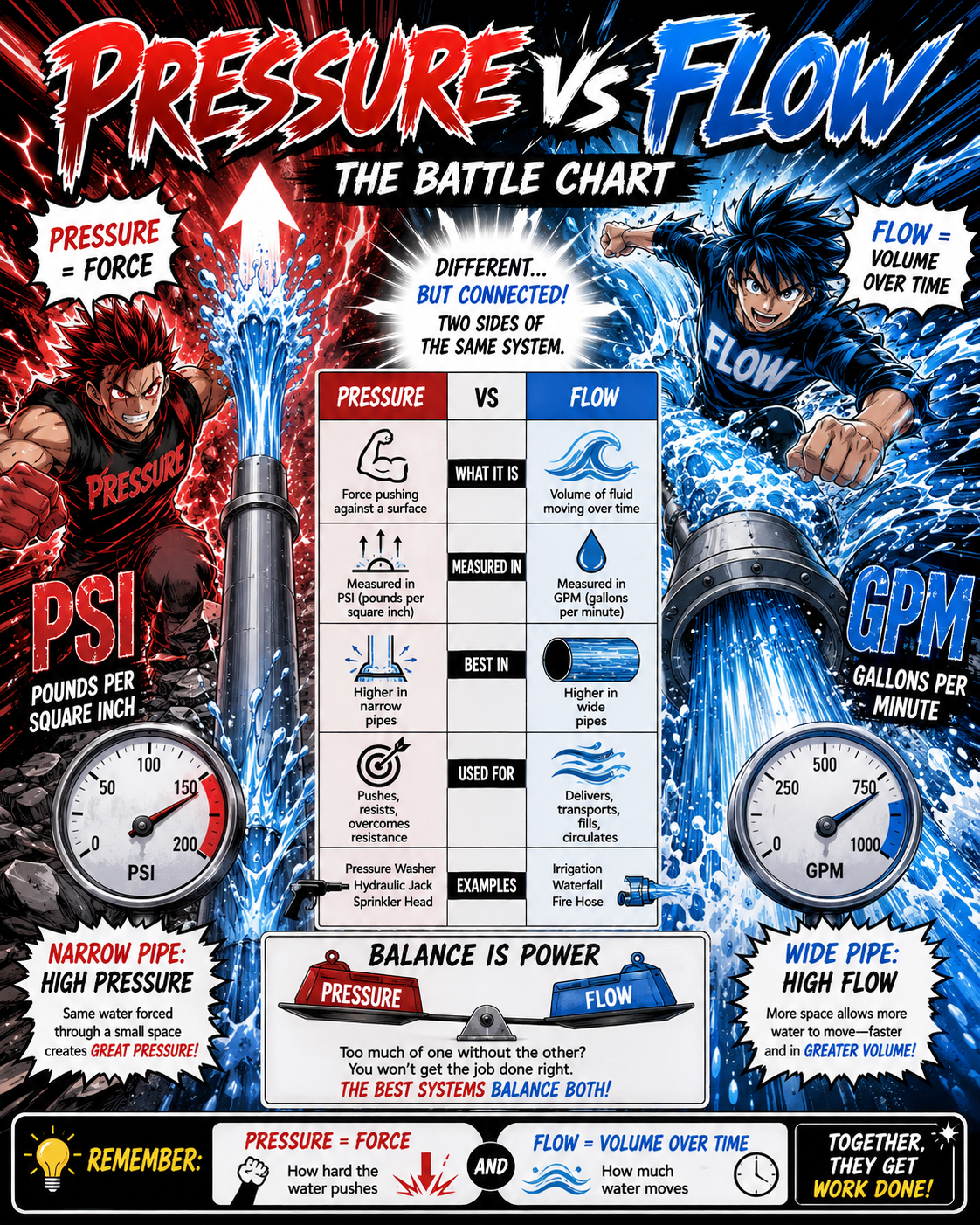
Sprinklers, drip emitters, micro-sprayers, impact heads, and field lines all need specific flow and pressure. Too little pressure gives poor coverage. Too much pressure can mist, waste water, damage equipment, or reduce uniformity.

Irrigation design begins at the emitter, not at the pump catalog.
Pressure versus flow battle chart for irrigation pump systems
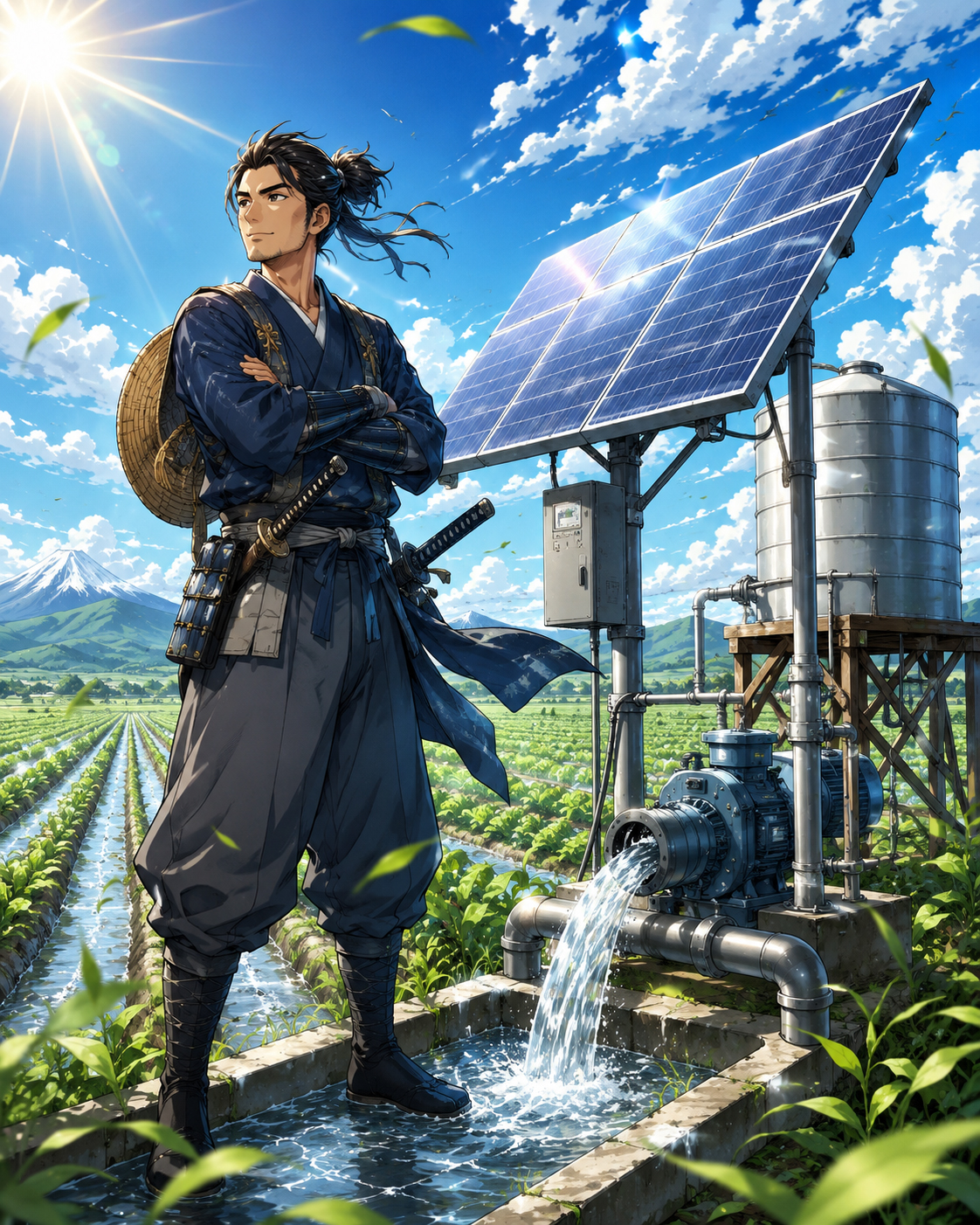
Solar Pump Samurai standing in an irrigation field with panels and pump equipment
Solar option

Solar irrigation must plan around water, not watts.

Solar pumping can work well for remote irrigation and tank filling, but the real target is gallons per day, total dynamic head, storage, controls, and cloudy-day expectations.

A water tank may be a simpler storage strategy than batteries when the schedule allows it.

Filters

Filtration protects the field equipment.

Drip emitters and small nozzles can clog from debris, sand, algae, scale, or organic material. Filters add resistance, and dirty filters add even more resistance.

A dirty filter can make a good pump look weak.
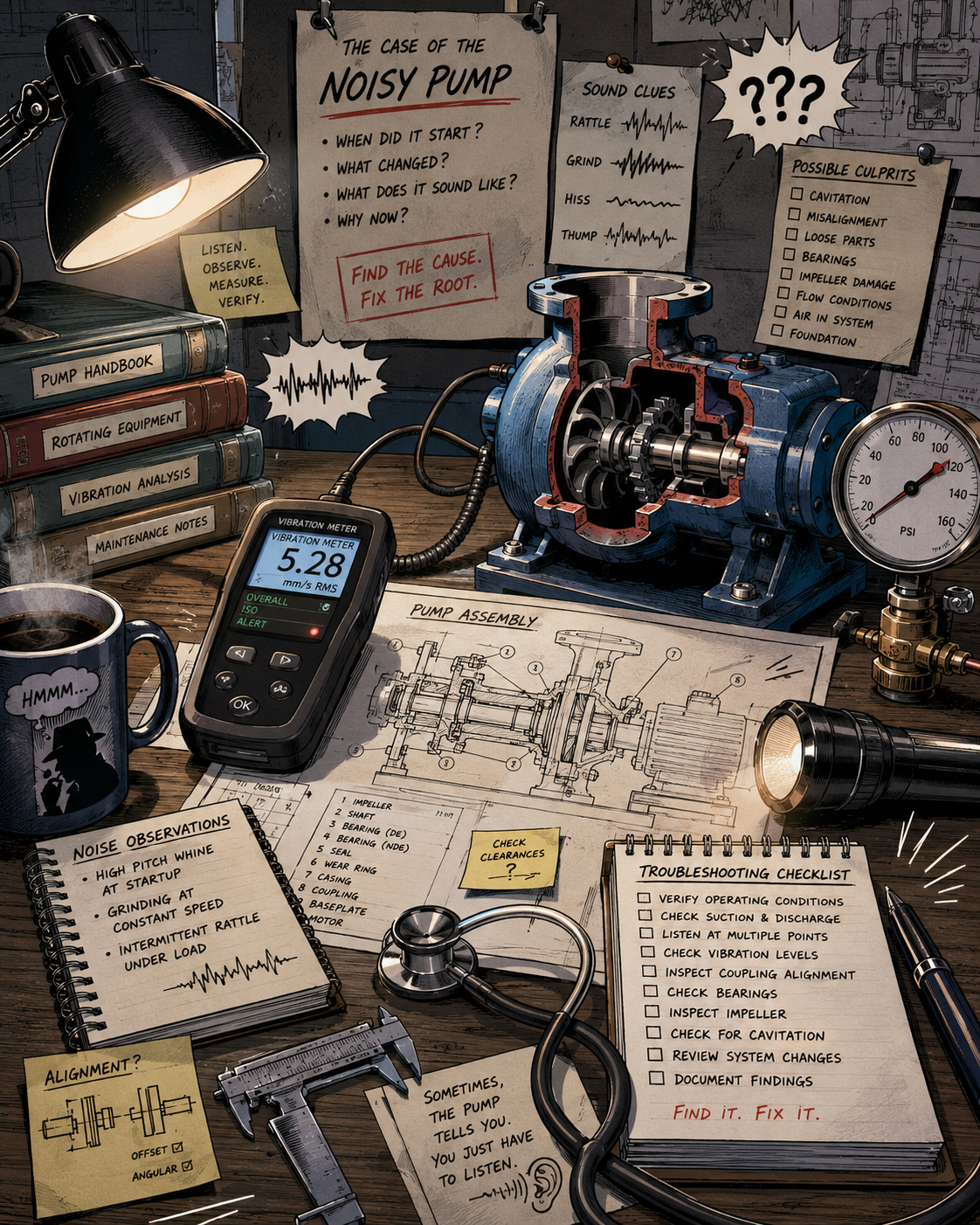
Pump troubleshooting desk with notes about filters, gauges, and flow
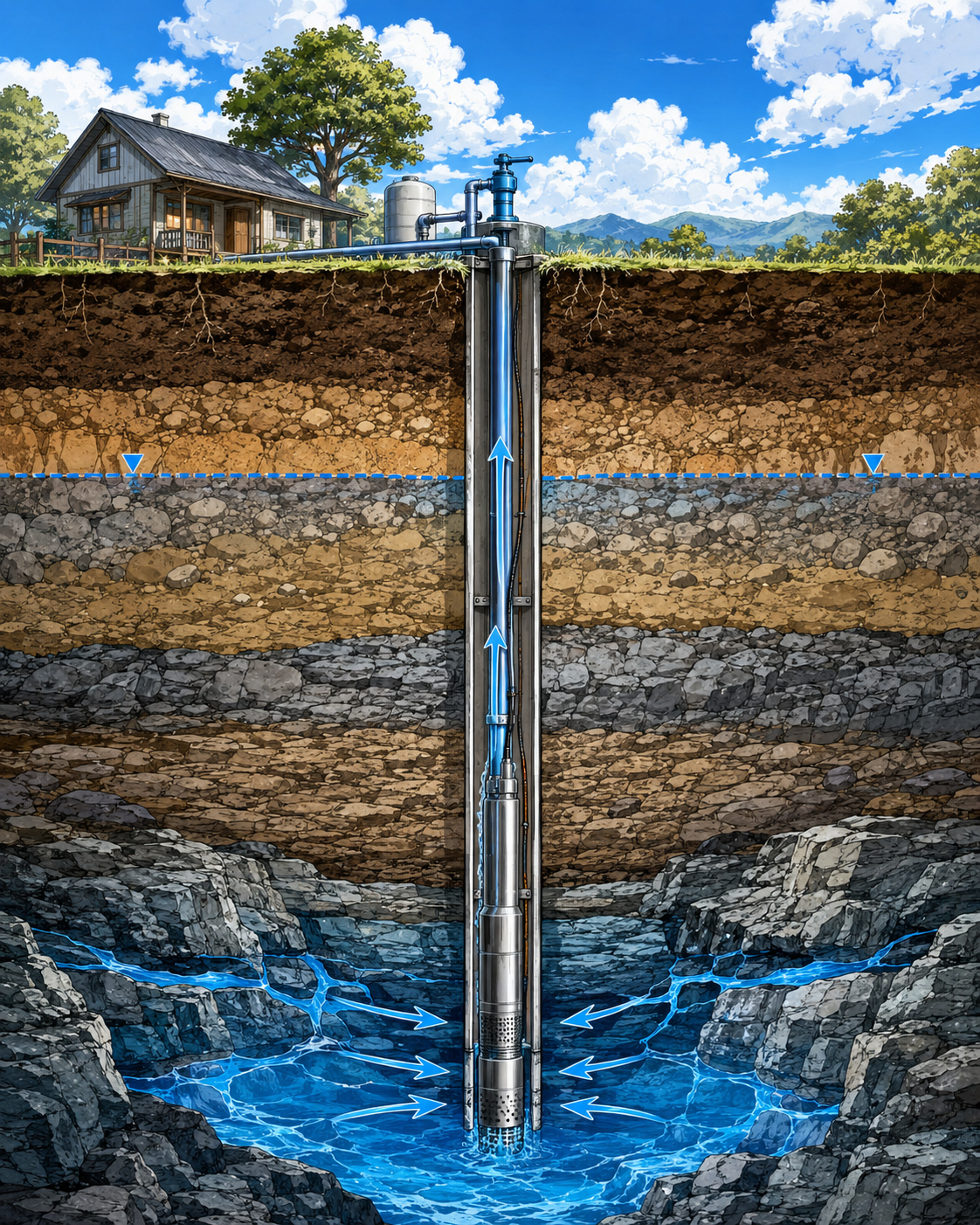
Well pump cutaway showing groundwater source for irrigation
Water source

The source limits the pump.

Wells, tanks, ponds, canals, reservoirs, cisterns, and municipal feeds all have limits. A pump that demands more water than the source can provide may cavitate, lose prime, pull air, trip, or damage equipment.

Pipe friction

Long runs and small pipe steal pressure.

Irrigation systems often have long pipe runs, elevation changes, valves, filters, fittings, and laterals. All of that adds friction loss. The pump must be selected for total dynamic head, not just vertical lift.

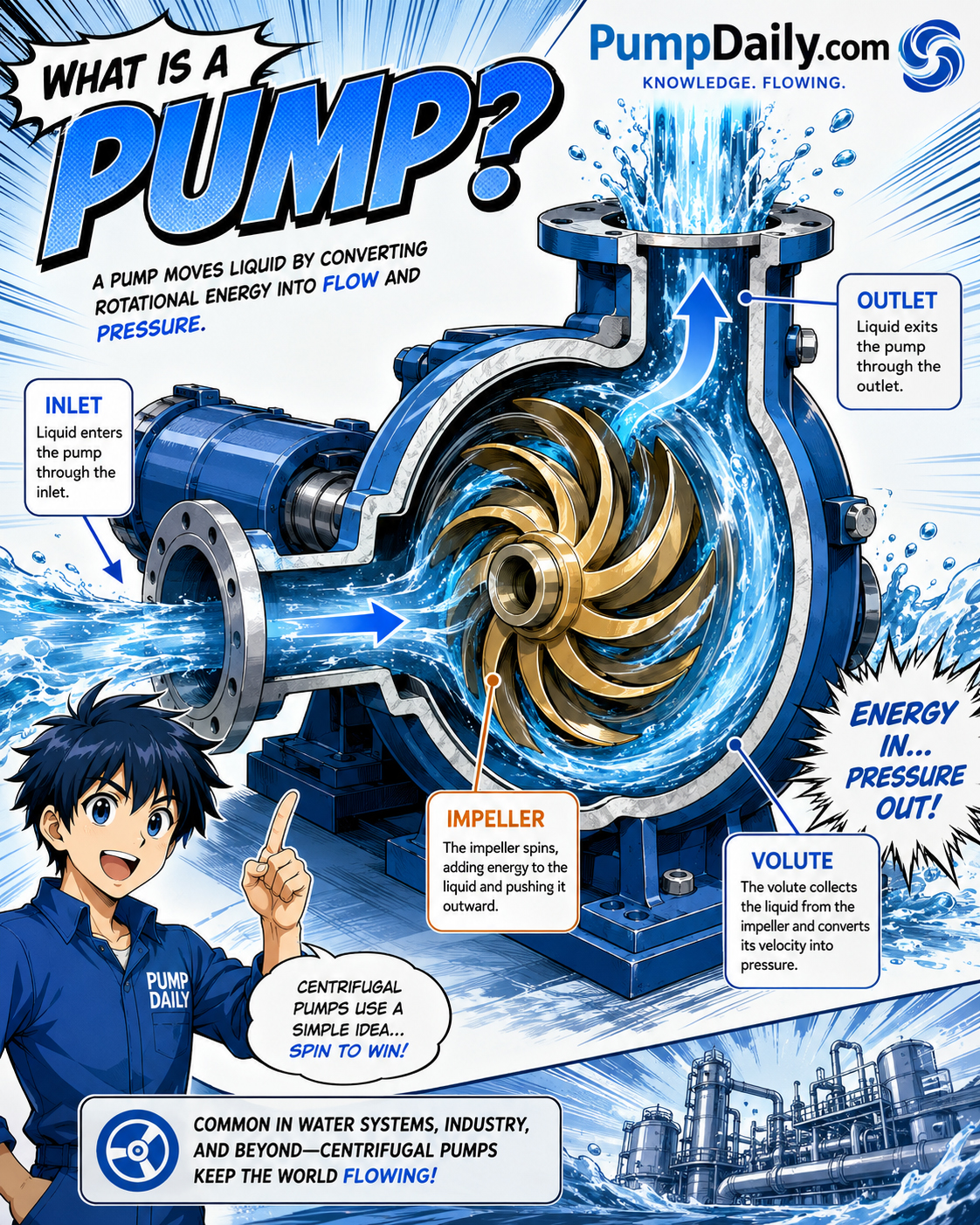
Manga pump diagram showing system flow and pressure path

Irrigation pump quick guide

Design question Why it matters Bad shortcut
How many GPM does the zone need? Sets the pump flow target. Guessing from pipe size alone.
What pressure does the zone need? Sprinklers and emitters need correct pressure to work properly. Assuming higher pressure is always better.
What is the water source? Wells, tanks, ponds, and municipal feeds have different limits. Ignoring recovery rate or debris.
How much pipe and elevation? Pipe friction and lift change the required head. Looking only at pump horsepower.
What filtration is required? Filters protect emitters but add pressure loss. Skipping filters or ignoring dirty-filter pressure drop.
When does water need to run? Schedule affects controls, tank storage, solar design, and zoning. Designing for noon sun only.
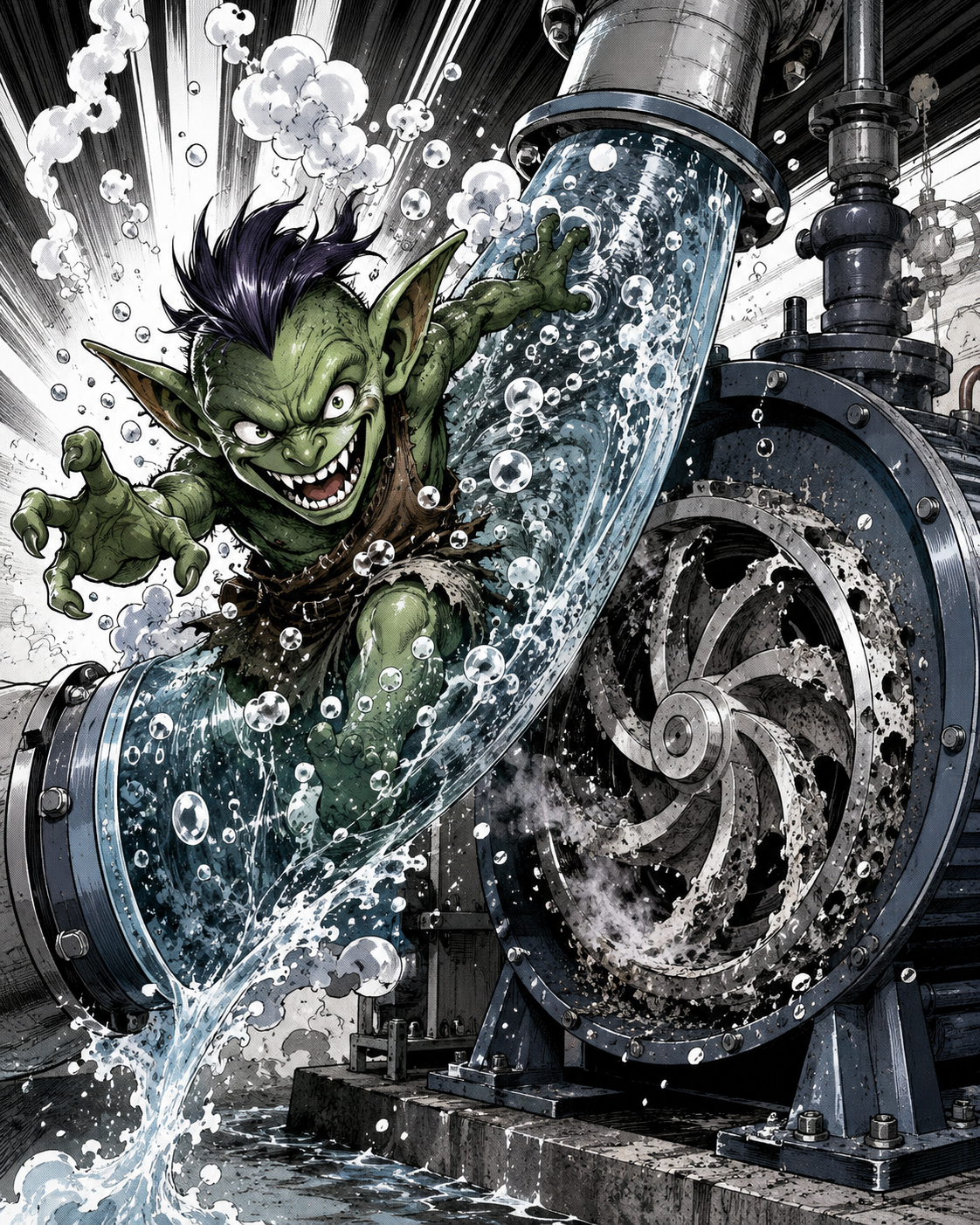
Cavitation Goblin hiding in an irrigation pump suction line
Trouble signs

Low field performance may start at the pump — or far away from it.

Weak sprinklers, uneven zones, drip clogging, cycling, noisy pumps, or low tank fill can come from source problems, filters, suction leaks, valve settings, pipe loss, emitter clogging, or poor pump selection.

Walk the system. The pump room rarely tells the whole field story.

Keep learning

Related PumpDaily guides

Safety note: Irrigation pump systems may involve electricity, pressure, wells, water quality, chemicals, trenching, backflow rules, and local water-use requirements. PumpDaily is educational only.