Controls

Pump Controls

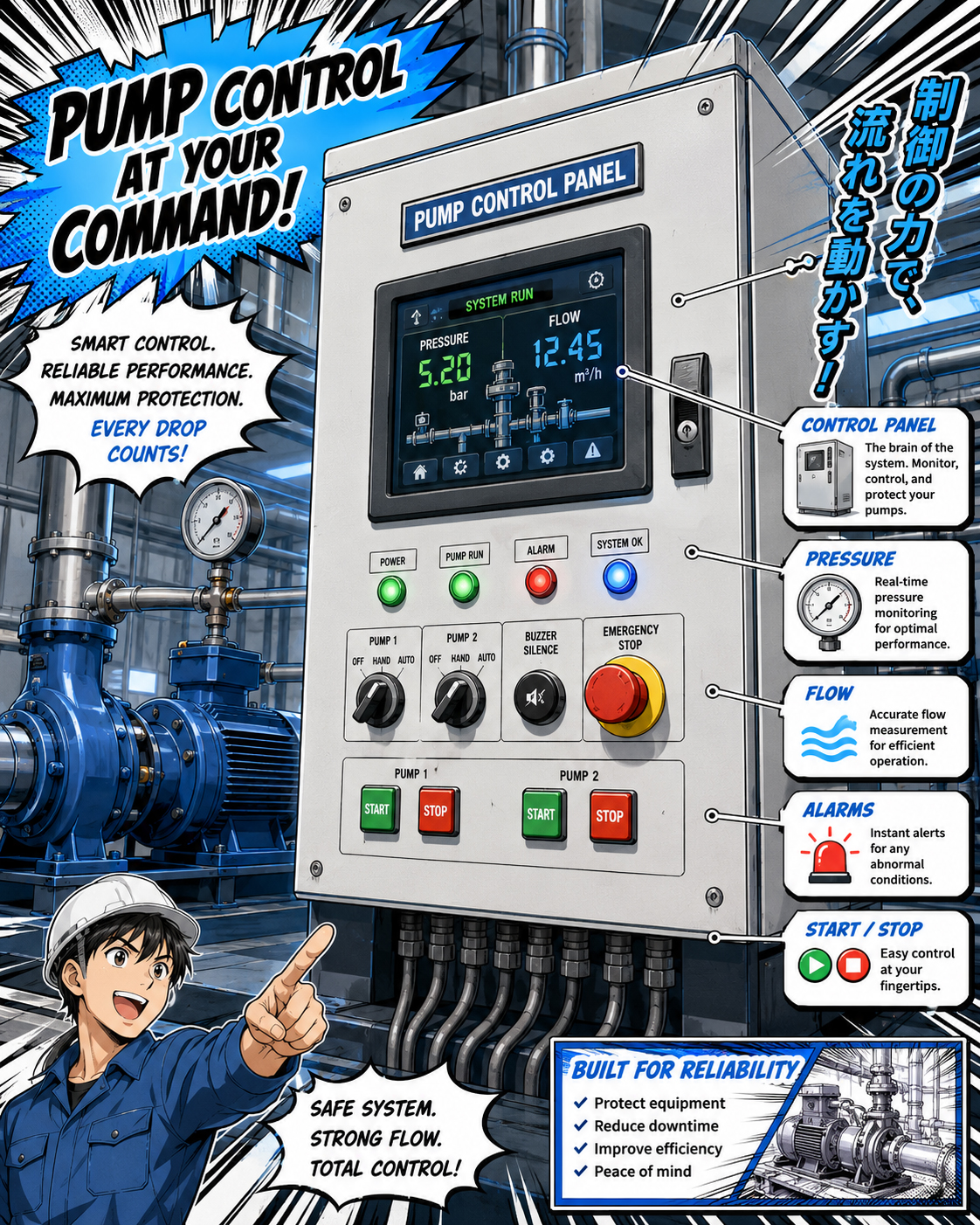
Pump controls tell a pump when to start, when to stop, how fast to run, and when to protect itself. A good pump can look broken when the control system is wrong.

Manga pump control panel with switches, gauges, lights, and pump control symbols

Plain-English answer

A pump control is the decision-maker.

The pump moves water, but the control system decides when and how that movement happens. Controls may respond to pressure, water level, flow, time, temperature, solar power, alarms, or safety limits.

Controls are not accessories. They are part of the pump system.

Float switches

Float switches respond to water level.

A float switch rises or falls with the water level and starts or stops the pump. It is common in sump pits, basins, tanks, and lift stations.

A stuck float can make a good pump useless.
Float Switch Fairy above a sump pump basin
Pressure Sensei teaching PSI and pressure control
Pressure switches

Pressure switches respond to system pressure.

A pressure switch can start the pump when pressure falls and stop it when pressure rises. These are common in well and booster systems, often paired with pressure tanks.

Wrong settings, tank problems, leaks, or bad switch behavior can cause short cycling or poor pressure.

Controllers

Controllers coordinate the system.

A pump controller may monitor sensors, start motors, protect equipment, display faults, manage alarms, or communicate with other systems. Fire pump controllers and solar pump controllers are specialized equipment.

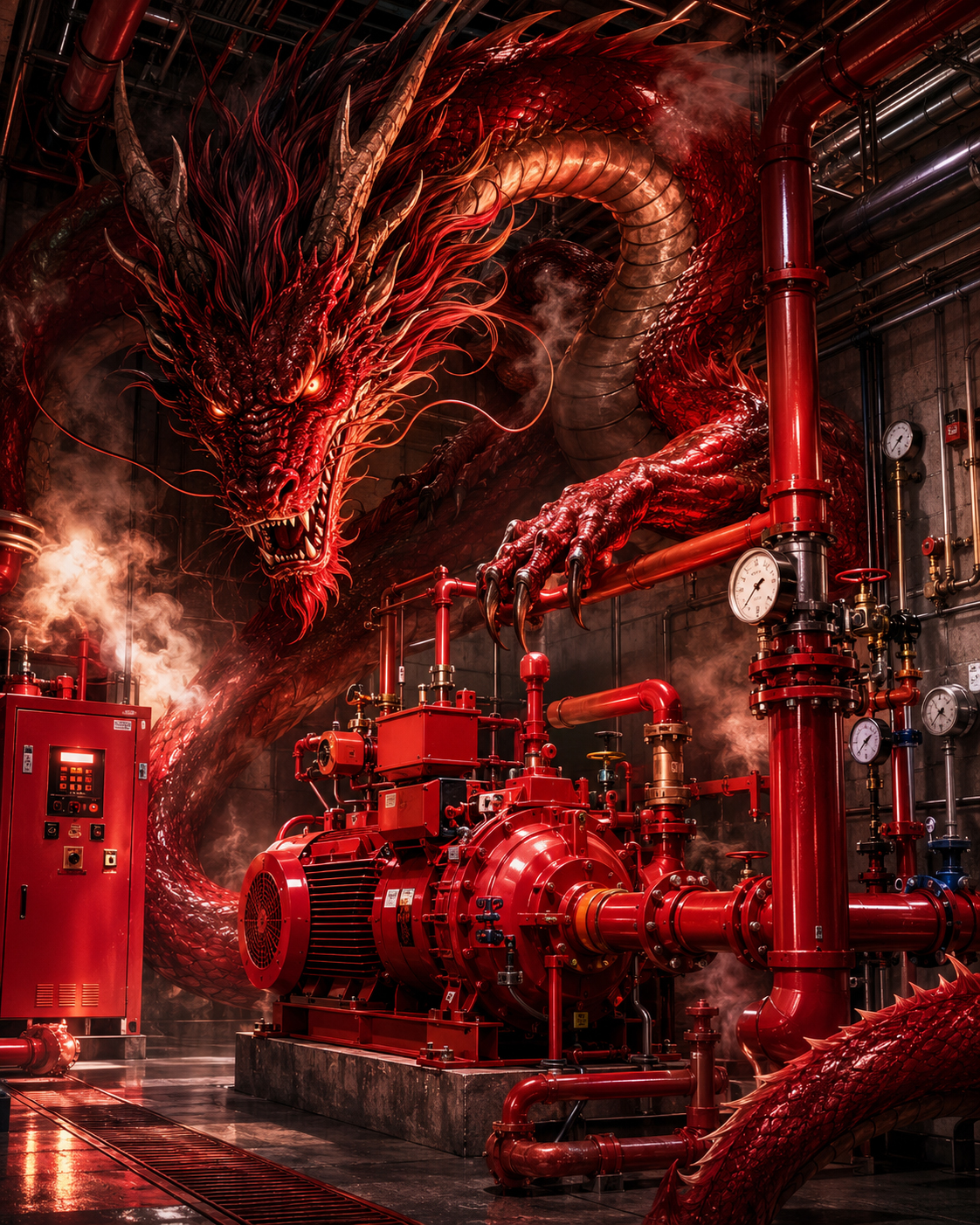
Fire Pump Dragon in a pump room with controller and code equipment
Solar pump panels, water tank, and solar control strategy
Solar controls

Solar pump controls match sunlight to water demand.

A solar pump controller helps match available PV power to the pump and motor. It may manage speed, soft starting, dry-run protection, tank level, float input, and fault conditions.

Solar power solves the energy source. Controls decide whether the system behaves.
VFDs

Variable frequency drives can change pump speed.

A VFD can slow down or speed up a motor to better match demand. This can improve control and energy use, but it must be selected, programmed, protected, and applied correctly.

A bad VFD setup can create new problems instead of solving old ones.

PumpDaily pressure and flow drama with control concepts

Pump controls quick guide

Control What it watches Common problem
Float switch Water level. Stuck, tangled, blocked, failed, or misadjusted float.
Pressure switch System pressure. Wrong cut-in/cut-out, bad tank, failed switch, leaks.
Flow switch Water movement. Debris, wrong orientation, low flow, nuisance trips.
Level sensor Tank, basin, or well level. Bad calibration, fouling, wiring, failed sensor.
VFD Motor speed and demand signals. Wrong setup, drive faults, motor compatibility, sensor issues.
Alarm High water, low pressure, fault, or unsafe condition. Ignored alarm, dead battery, failed sensor, no testing.
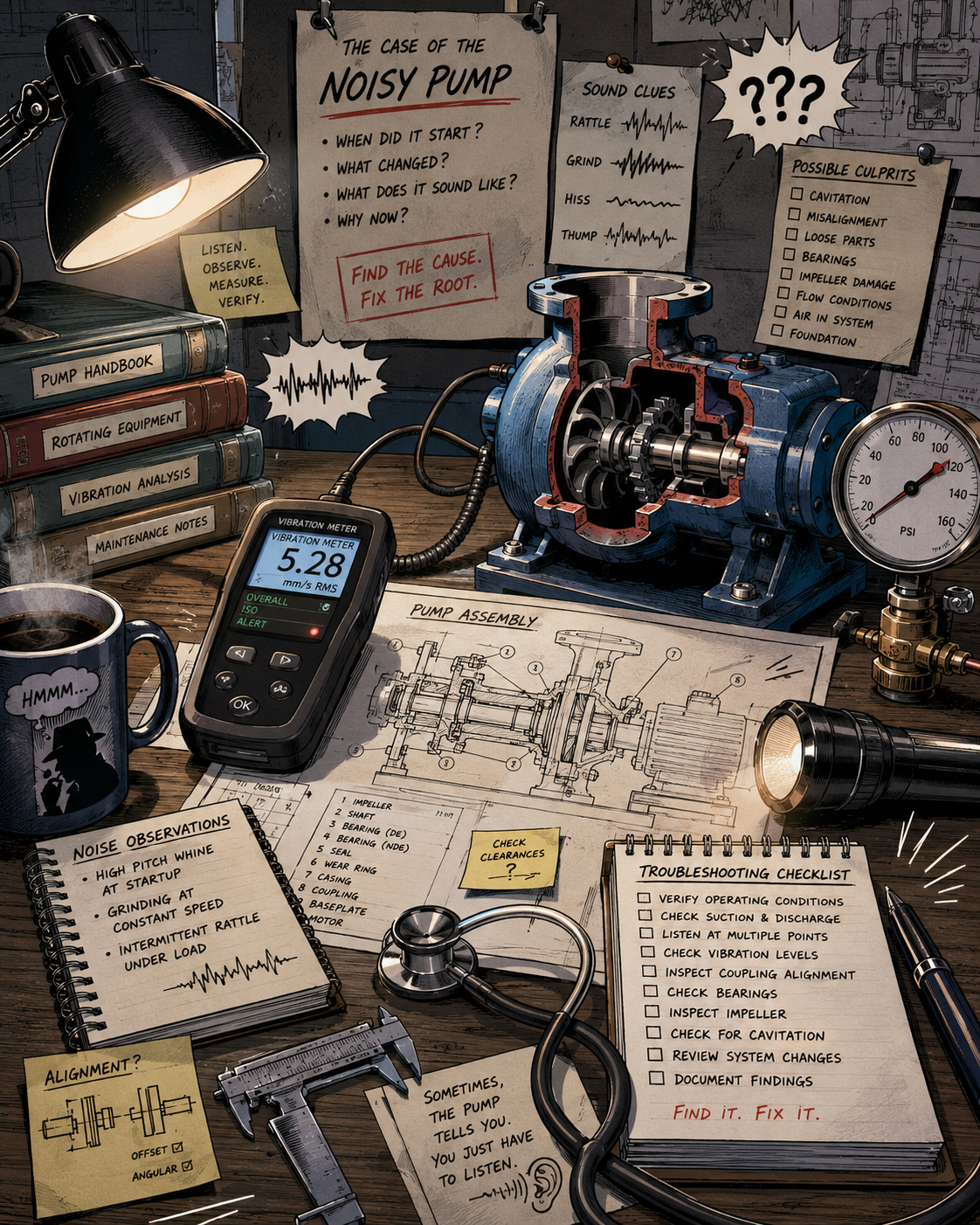
Pump troubleshooting desk with controls, notes, and diagnostic clues
Troubleshooting

Control failures can mimic pump failures.

No start, short cycling, running too long, failure to shut off, pressure swings, dry-run trips, high-water alarms, or random shutdowns may come from controls rather than the pump itself.

Before replacing the pump, ask who told it to run — and who told it to stop.
Protection

Controls can protect equipment and property.

Dry-run protection, overload protection, high-pressure cutouts, low-pressure shutdowns, level alarms, backup power signals, and fault monitoring can prevent damage or warn before damage spreads.

Protection only works when it is installed, configured, tested, and maintained.

PumpDaily warning panel with pump control and safety symbols

Keep learning

Related PumpDaily guides

Safety note: Pump controls may involve electricity, motors, wet locations, fire protection equipment, alarms, automation, batteries, and code requirements. PumpDaily is educational only.