Pump family

Sump Pumps

A sump pump removes unwanted water from a pit or basin before it becomes a basement problem. The pump matters, but the float switch, check valve, discharge route, alarm, backup plan, and maintenance matter too.

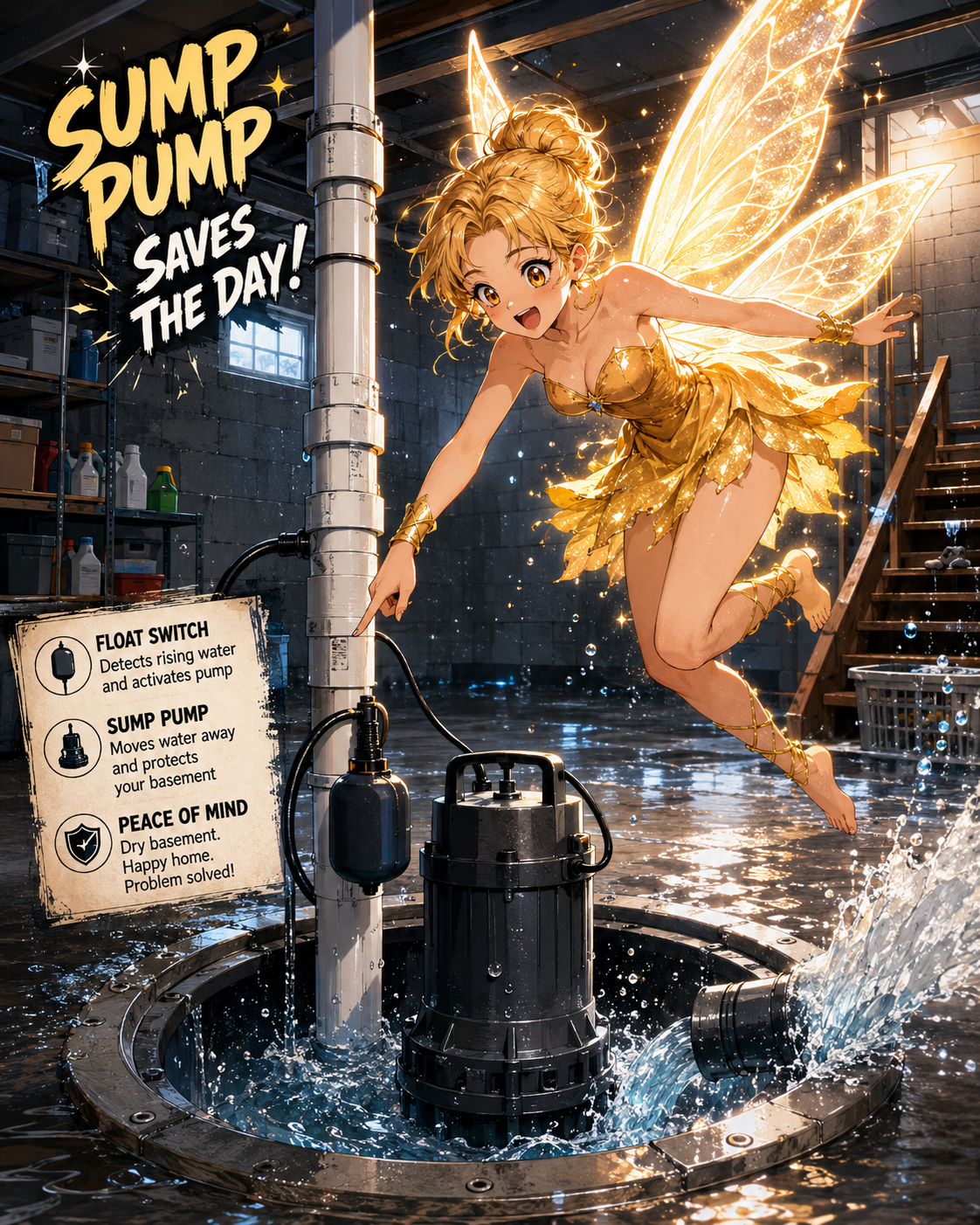
Float Switch Fairy helping a sump pump prevent basement flooding

Plain-English answer

A sump pump is basement flood defense.

Water collects in a sump basin. When the water rises, a float switch or level control starts the pump. The pump sends water through a discharge pipe away from the building.

A sump pump system succeeds only if the pump starts, water leaves, water does not return, and the discharge route stays open.

Sump pit

The pit collects the problem.

The sump basin is a low collection point for unwanted water. If the basin is too small, clogged with debris, poorly covered, or poorly located, the pump may fight bad conditions from the start.

The pit is not just a hole. It is part of the system.
Float Switch Fairy above a sump pump basin
Episode 5 cover showing Float Switch Fairy saving the basement
Float switch

The switch tells the pump when to wake up.

A float switch rises with the water level and starts the pump. If the float is stuck, blocked, tangled, misadjusted, or failed, the pump may not start at the right time.

Testing the float action is part of basic sump system care.

Check valve

Water should not fall back into the pit.

When the pump shuts off, water in the vertical discharge pipe may try to fall back. A properly installed check valve helps prevent the pump from moving the same water over and over.

Check Valve Cat stopping reverse flow in a sump pump discharge line
PumpDaily warning panel for pump safety and flooding risks
Backup power

Storms can bring water and power outages together.

The sump pump may be needed most during heavy rain — exactly when utility power can fail. Backup power, battery backup, water-powered backup, generator planning, or high-water alarms may be important depending on the property.

A backup plan is not paranoia when the basement is below grade.
Discharge

The discharge must send water somewhere useful.

Pumping water out of a pit is not enough if the discharge dumps water back at the foundation, freezes, clogs, violates local rules, or drains into a poor location.

The discharge route is part of the flood-prevention system.

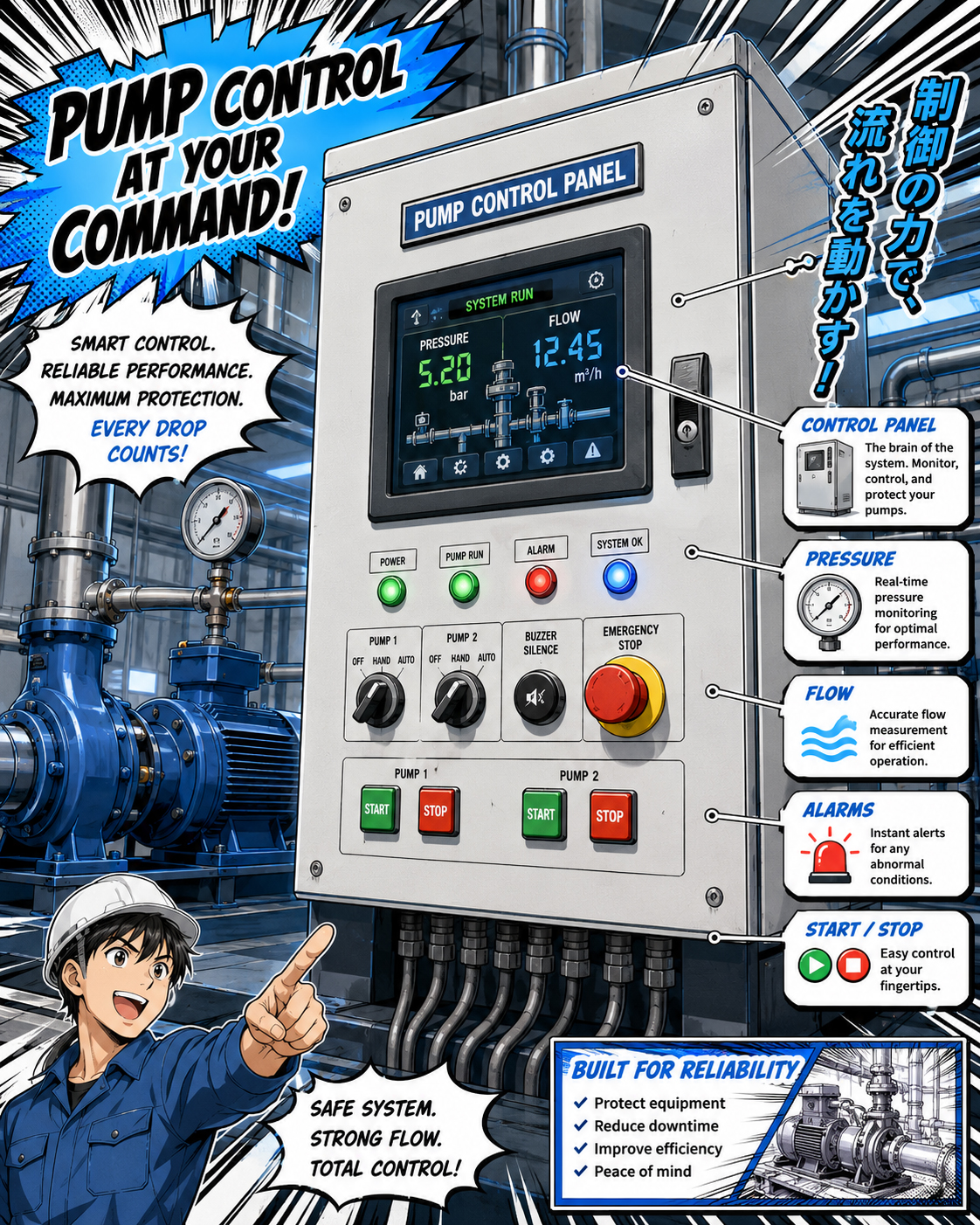
Pump controls and alarm panel for sump pump systems

Sump pump quick guide

Part What it does Common problem
Sump basin Collects water before it reaches the floor. Debris, poor size, poor cover, bad drainage path.
Float switch Starts the pump when water rises. Stuck, tangled, misadjusted, failed, blocked by debris.
Pump Moves water out of the basin. Failed motor, clog, wrong size, worn impeller, no power.
Check valve Helps stop discharge water from returning. Stuck, noisy, missing, installed wrong, leaking back.
Discharge pipe Carries water away from the building. Frozen, clogged, broken, undersized, poor outlet location.
Alarm / backup Warns or helps during high water or outage. Dead battery, no test, no plan, alarm ignored.
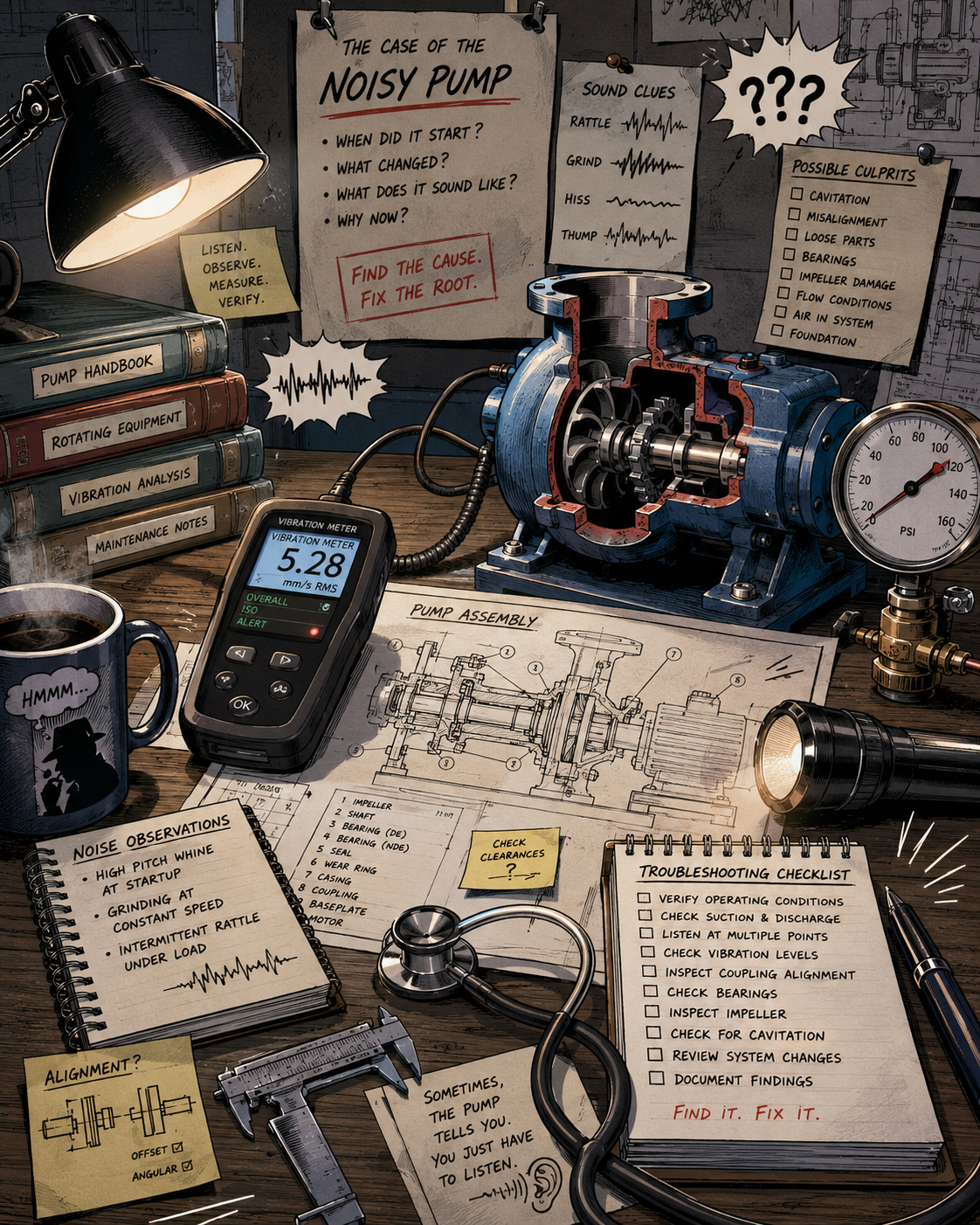
Pump troubleshooting desk with diagnostic notes and gauges
Maintenance

Test before the storm.

A sump system can look fine while the float is stuck, the check valve leaks, the discharge is blocked, or the backup battery is weak. Periodic testing matters.

The worst time to discover a sump problem is during the rain.

Keep learning

Related PumpDaily guides

Safety note: Sump systems may involve electricity, wet locations, flooding, mold risk, structural water issues, drainage rules, and backup power. PumpDaily is educational only.