Pump basics

Pump Types

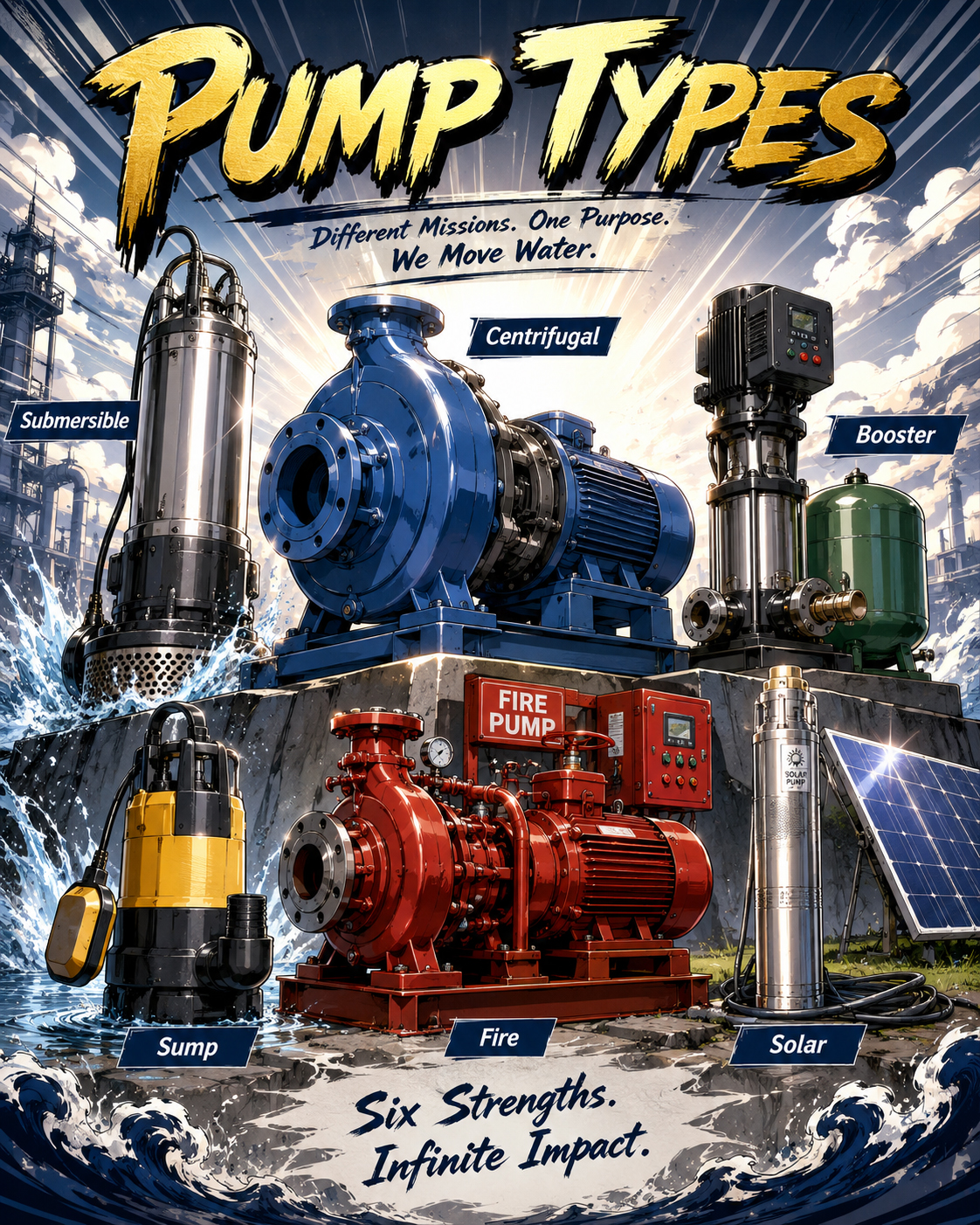
Pumps are not one-size-fits-all machines. The right pump depends on the liquid, source, pressure, flow, lift, solids, controls, power source, duty cycle, and what the system must actually do.

Manga family portrait of many different pump types

Plain-English answer

The pump type follows the job.

A sump pump, pool pump, well pump, fire pump, booster pump, irrigation pump, and solar pump may all move water, but they solve different problems. Some live underwater. Some boost pressure. Some circulate. Some protect buildings. Some must meet code. Some must tolerate debris.

Pick the job first. Then pick the pump.
Common workhorse

Centrifugal pumps move a lot of water.

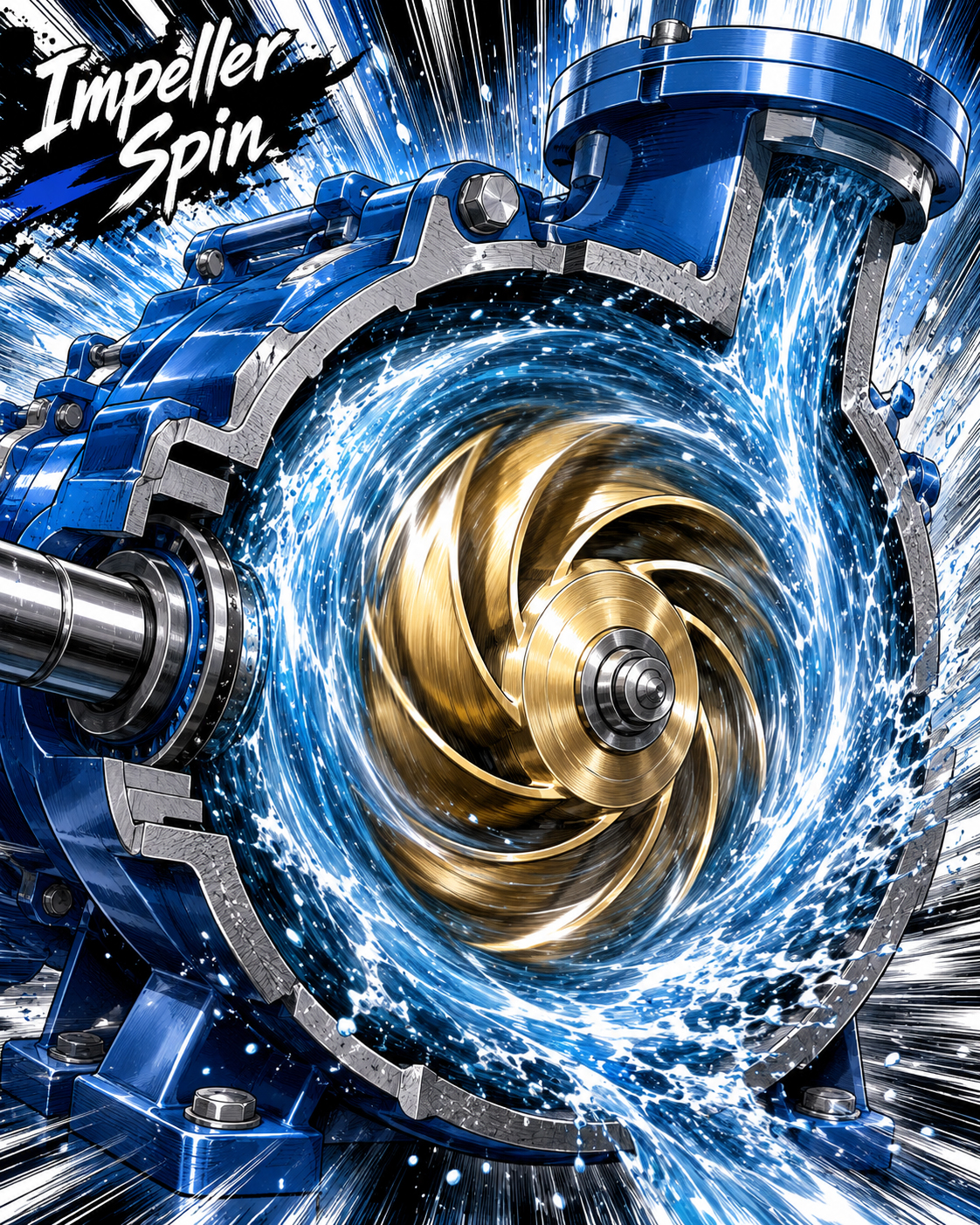
Centrifugal pumps use a rotating impeller to add energy to liquid. They are common in pools, irrigation, circulation, boosting, cooling, and many general water-moving applications.

Great for many clean-water jobs, but not magic: suction conditions and system resistance still matter.
Centrifugal pump impeller spinning with dramatic water motion
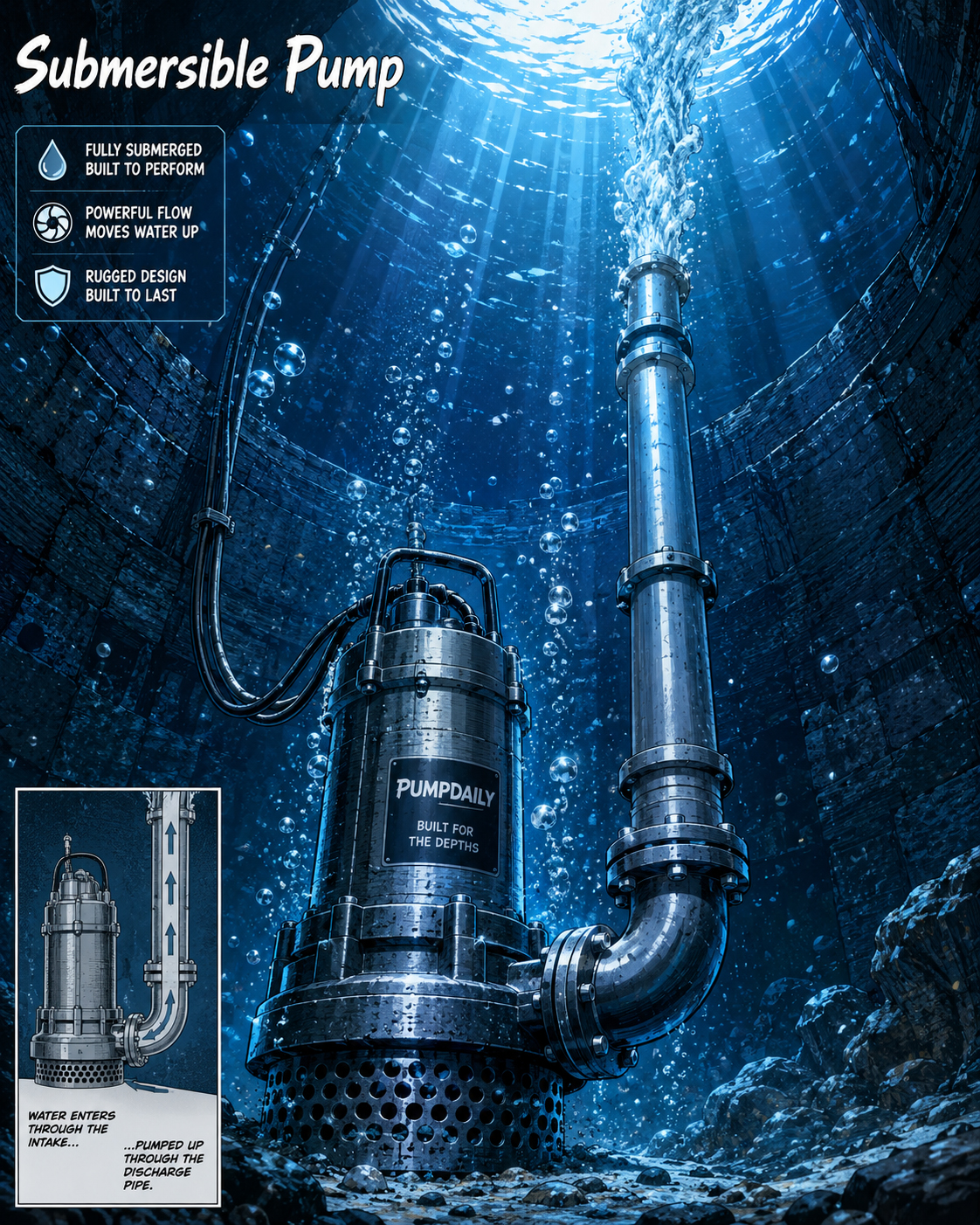
Submersible pump working underwater
Underwater

Submersible pumps work while submerged.

Submersible pumps are designed to operate underwater or inside a wet environment. They are common in wells, sumps, sewage basins, drainage pits, fountains, and dewatering applications.

The exact pump type depends heavily on water quality, solids, depth, head, flow, and service requirements.

Pressure helper

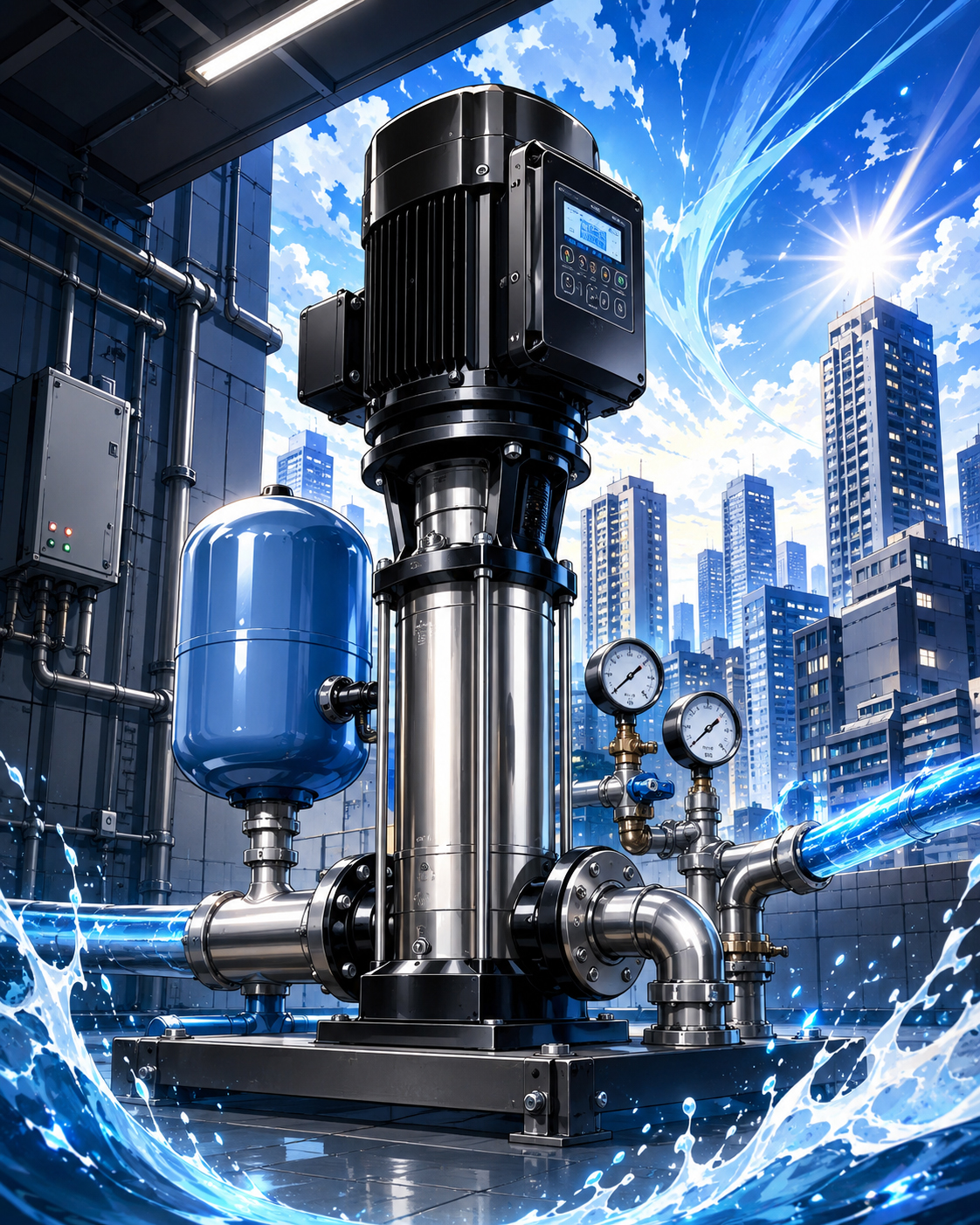
Booster pumps raise usable pressure.

A booster pump helps when the available pressure is too low for the destination. It may serve homes, buildings, irrigation zones, filtration systems, or long pipe runs.

Boosting pressure without understanding flow can create a loud, expensive misunderstanding.
Booster pump hero image in a city pressure system
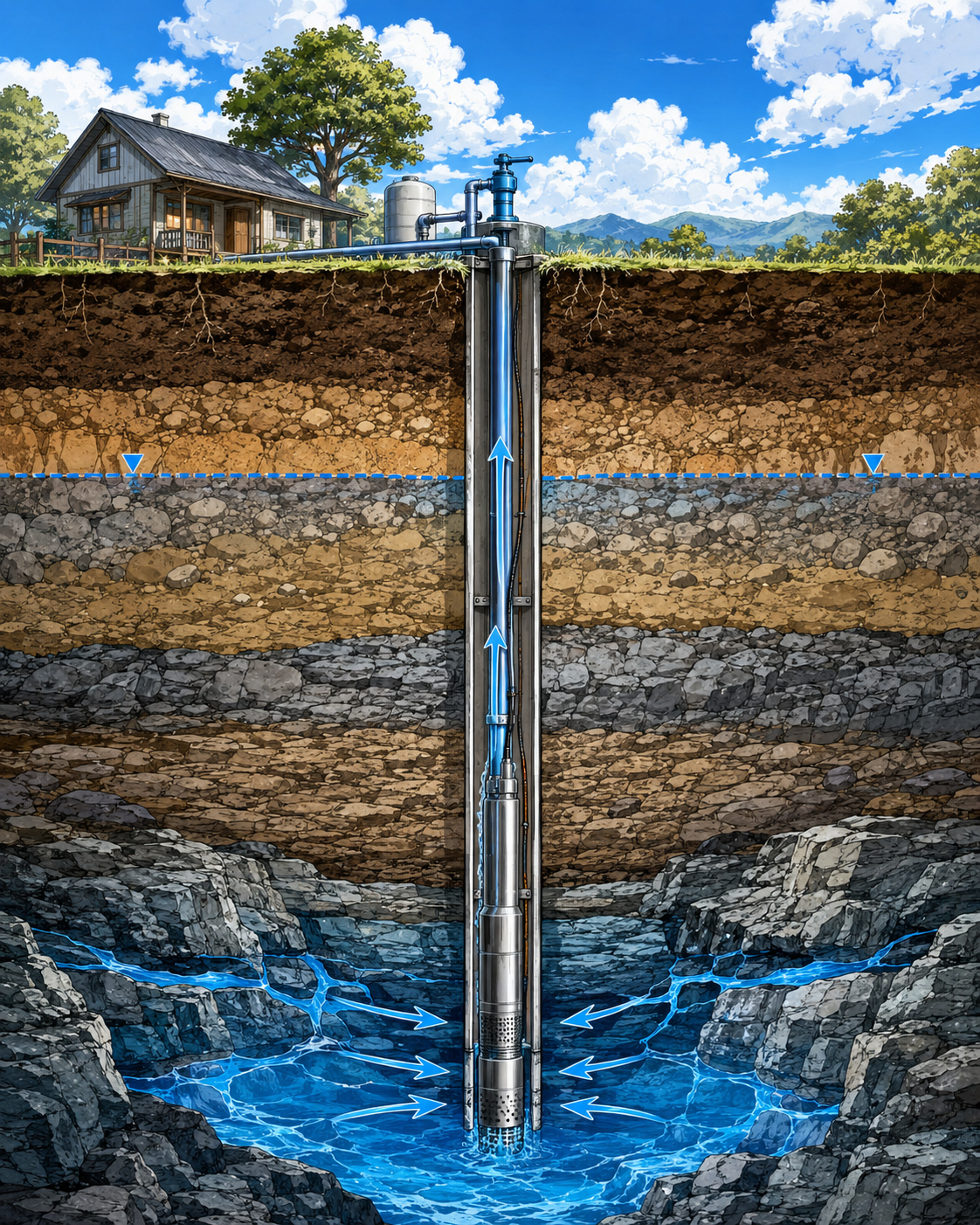
Deep earth cutaway showing a well pump system
Water source

Well pumps lift water from below ground.

Well pump selection depends on well depth, water level, recovery rate, desired flow, pressure tank, pipe size, controls, power supply, and water quality.

The pump must match both the well and the use. A pump that outpaces the well can create problems.

Flood defense

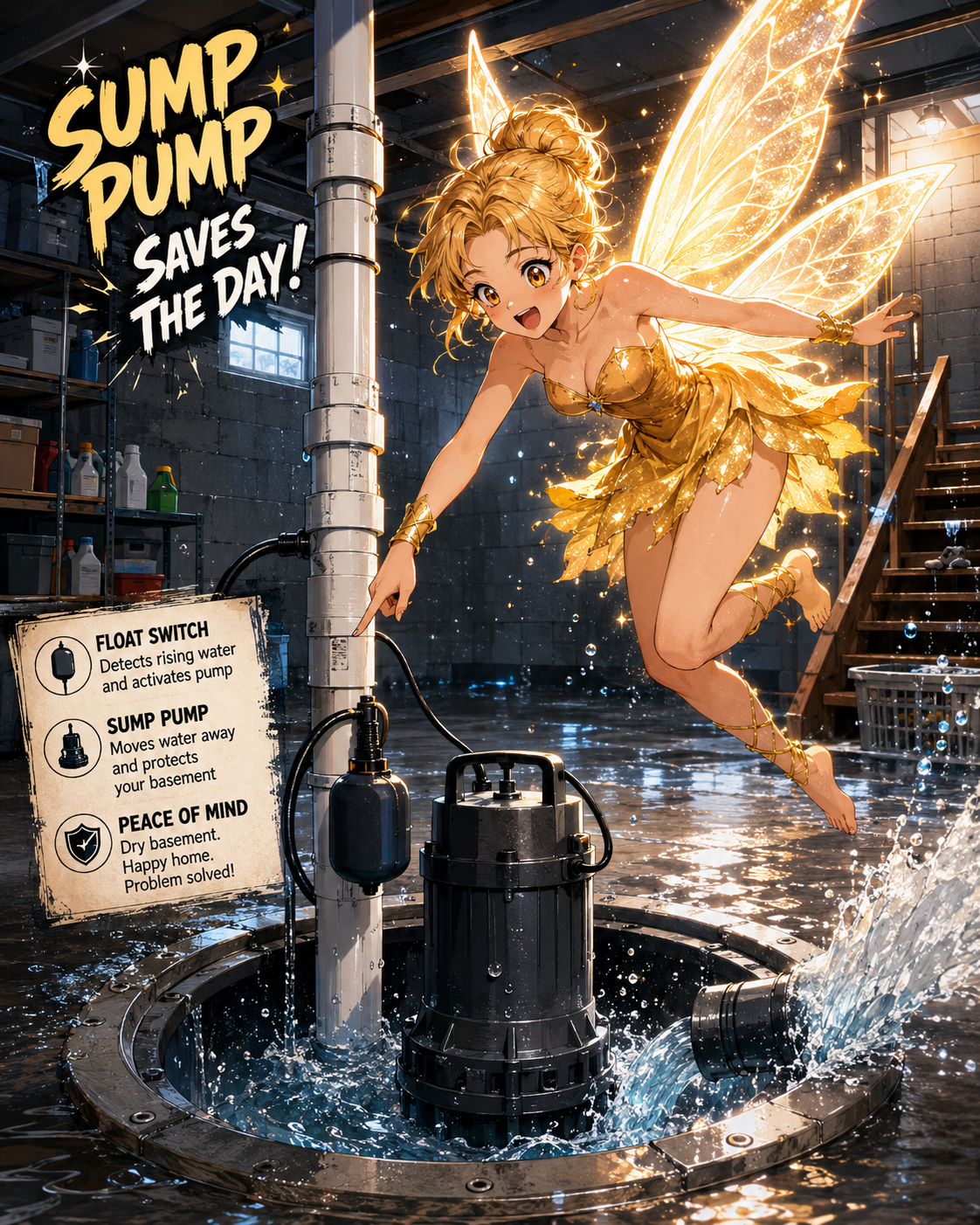
Sump pumps remove unwanted water.

Sump pumps live in basins or pits and turn on when water reaches a set level. They protect basements, crawlspaces, and low areas from water accumulation.

Float switch, check valve, discharge route, alarm, and backup power can matter as much as the pump itself.
Float Switch Fairy helping a sump pump stop a basement flood
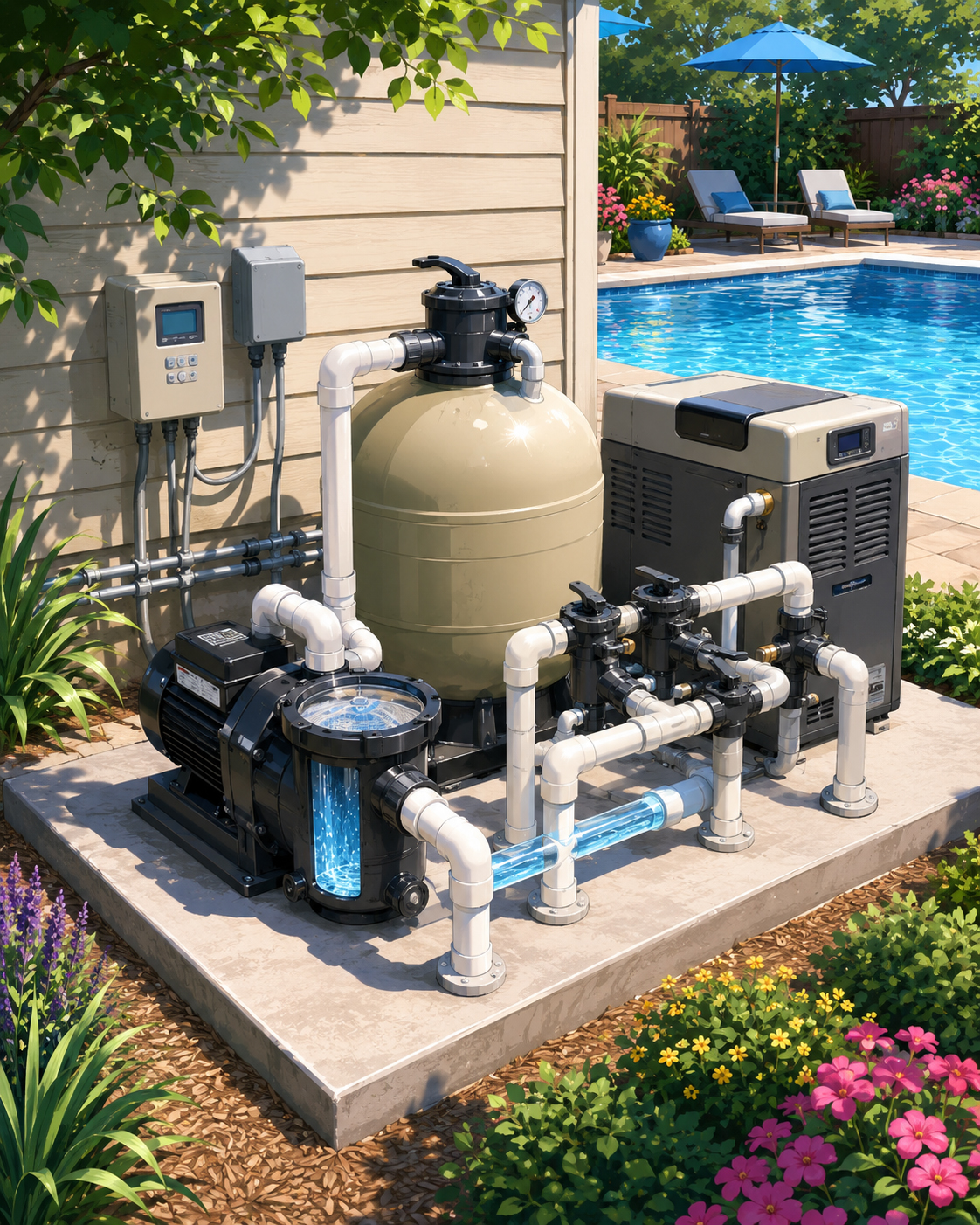
Pool pump equipment pad in a sunny backyard
Circulation

Pool pumps circulate through equipment.

Pool pumps move water through skimmers, drains, filters, heaters, sanitizers, and returns. The job is circulation and filtration, not just raw pressure.

Oversizing can waste energy and create noise or equipment problems. Variable-speed operation can be useful when designed well.

Field work

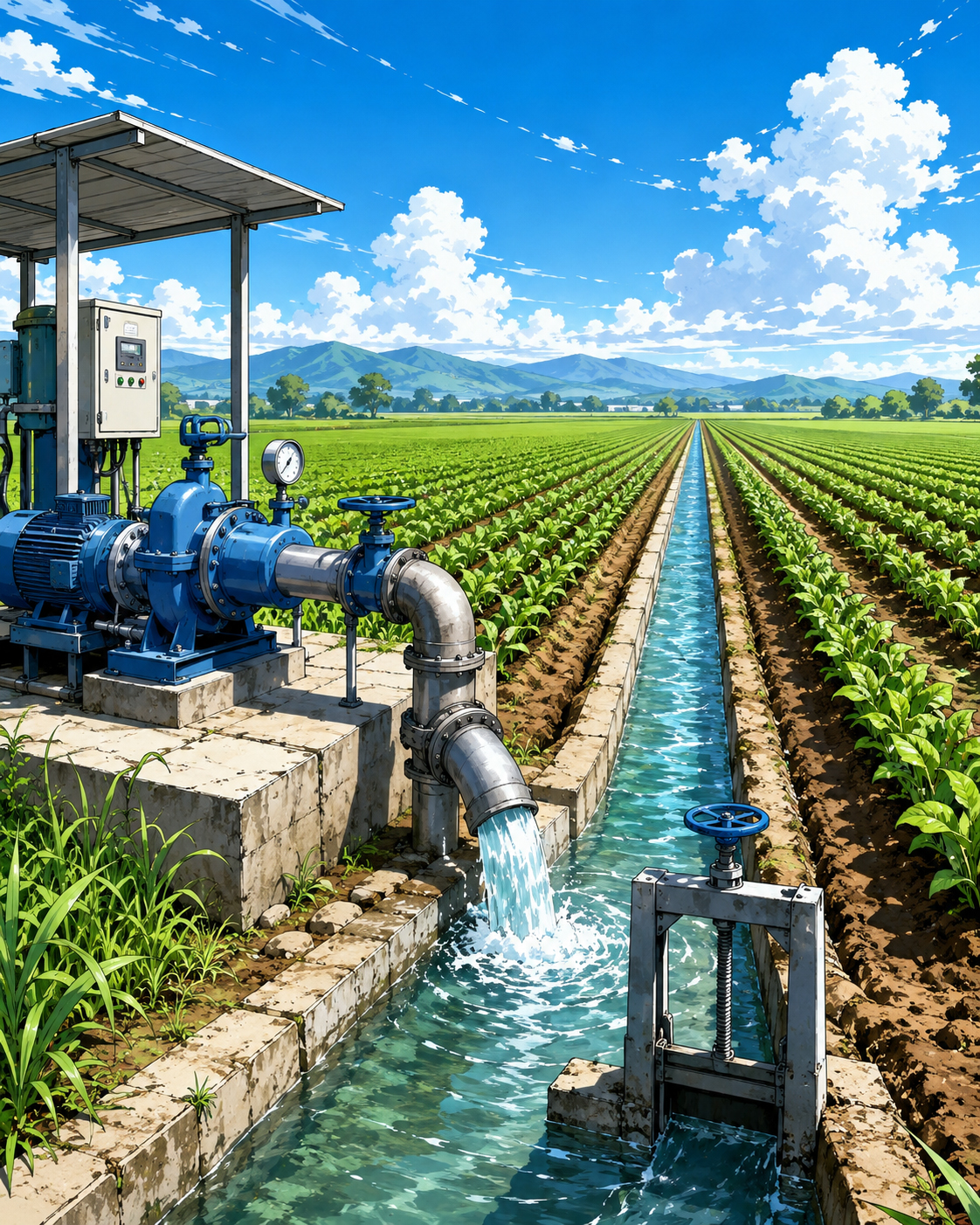
Irrigation pumps feed zones and fields.

Irrigation pumps must match the water source, zone demand, elevation, pipe length, filters, emitters, sprinklers, valves, and seasonal watering schedule.

Irrigation pump field lines distributing water
Solar Pump Samurai in an irrigation field with solar panels
Solar

Solar pumps depend on sunlight and storage strategy.

Solar pumping can be excellent for remote water movement, irrigation, livestock, wells, and tanks. But clouds, season, demand, head, tank size, controller design, and backup strategy must be realistic.

Delivered gallons per day matter more than a sunny brochure wattage number.
Life safety

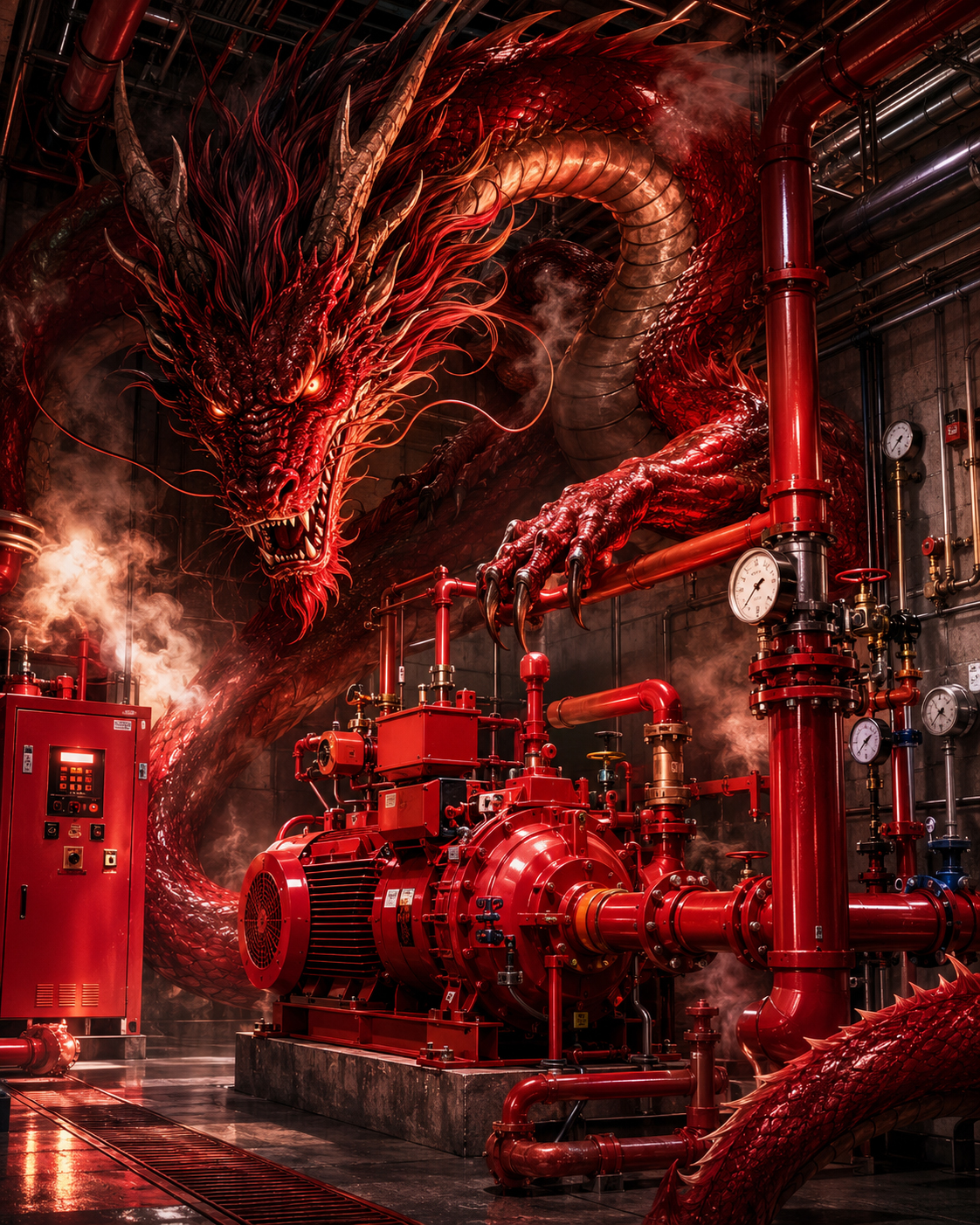
Fire pumps are code-regulated life-safety equipment.

Fire pumps support sprinkler, standpipe, or other fire protection systems where the water supply needs help. They require qualified design, installation, testing, and maintenance.

Fire pump room with Fire Pump Dragon and code books

Pump types at a glance

Pump type Typical job Watch for
Centrifugal General clean-water movement, circulation, boosting, irrigation. Suction issues, pump curve mismatch, cavitation.
Submersible Wells, sumps, drainage, dewatering, fountains. Electrical safety, water quality, depth, solids, access.
Booster Raises pressure for buildings, zones, filtration, or long runs. Controls, pressure tanks, cycling, pipe limits.
Well Moves groundwater from a well to a pressure system or tank. Water level, recovery rate, depth, pressure tank, controls.
Sump Removes unwanted water from pits or basements. Float switch, check valve, discharge route, backup power.
Pool Circulates water through filters and pool equipment. Energy use, filter condition, plumbing, noise, speed settings.
Irrigation Feeds sprinklers, drip zones, fields, or tanks. Zone demand, filters, elevation, pipe friction, water source.
Fire Supports fire protection systems. Code, testing, records, qualified professionals only.
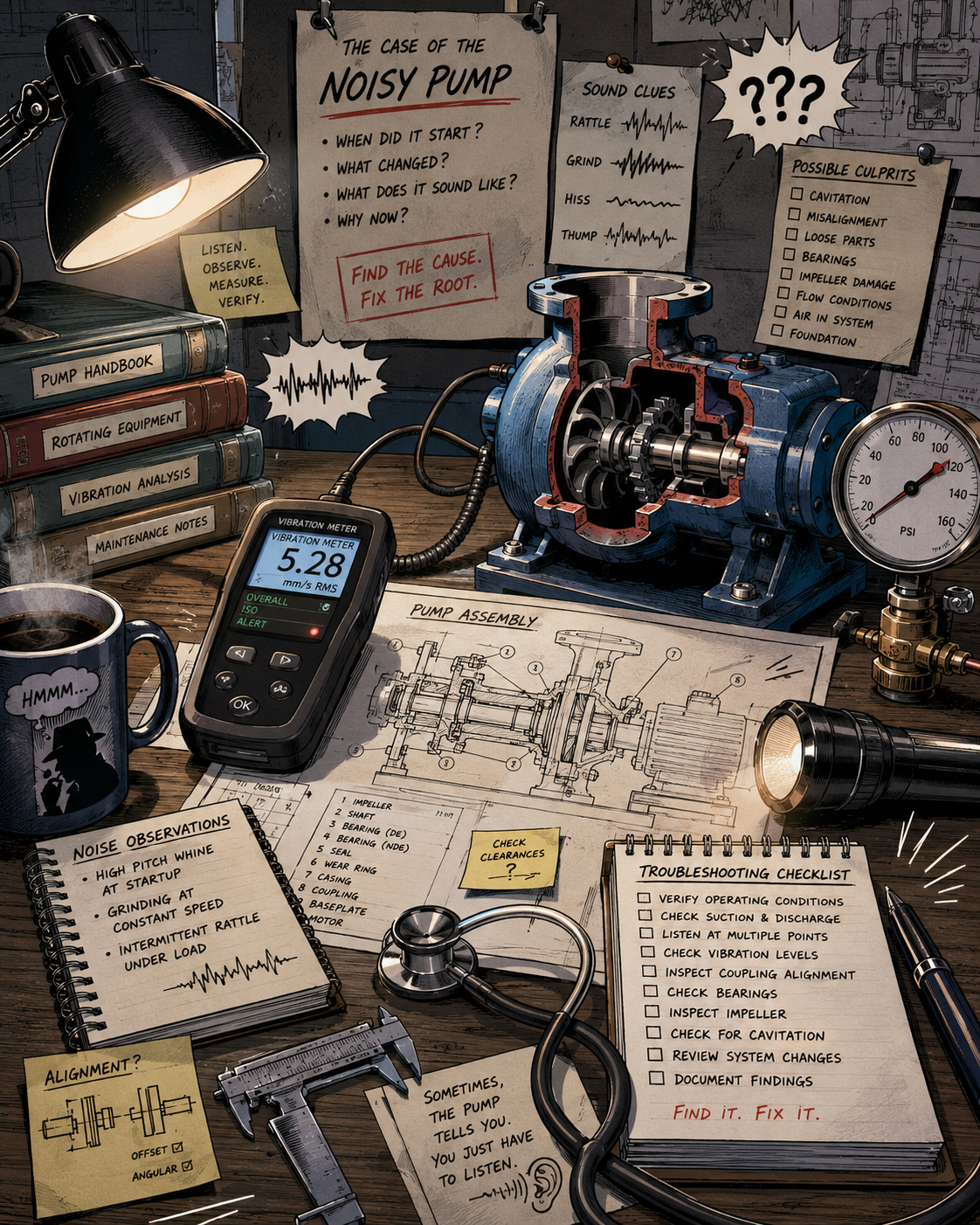
Pump troubleshooting desk with gauges and notes
Selection rule

Do not choose by horsepower alone.

Horsepower is only one clue. The better question is: what liquid, what flow, what pressure or head, what source, what duty cycle, what controls, what environment, and what failure consequence?

Pump type is a system decision, not a shopping label.

Keep learning

Explore pump families

Safety note: Pump selection may involve electricity, pressure, potable water, wastewater, fire protection, code requirements, and equipment damage risk. PumpDaily is educational only.