Pump family

Pool Pumps

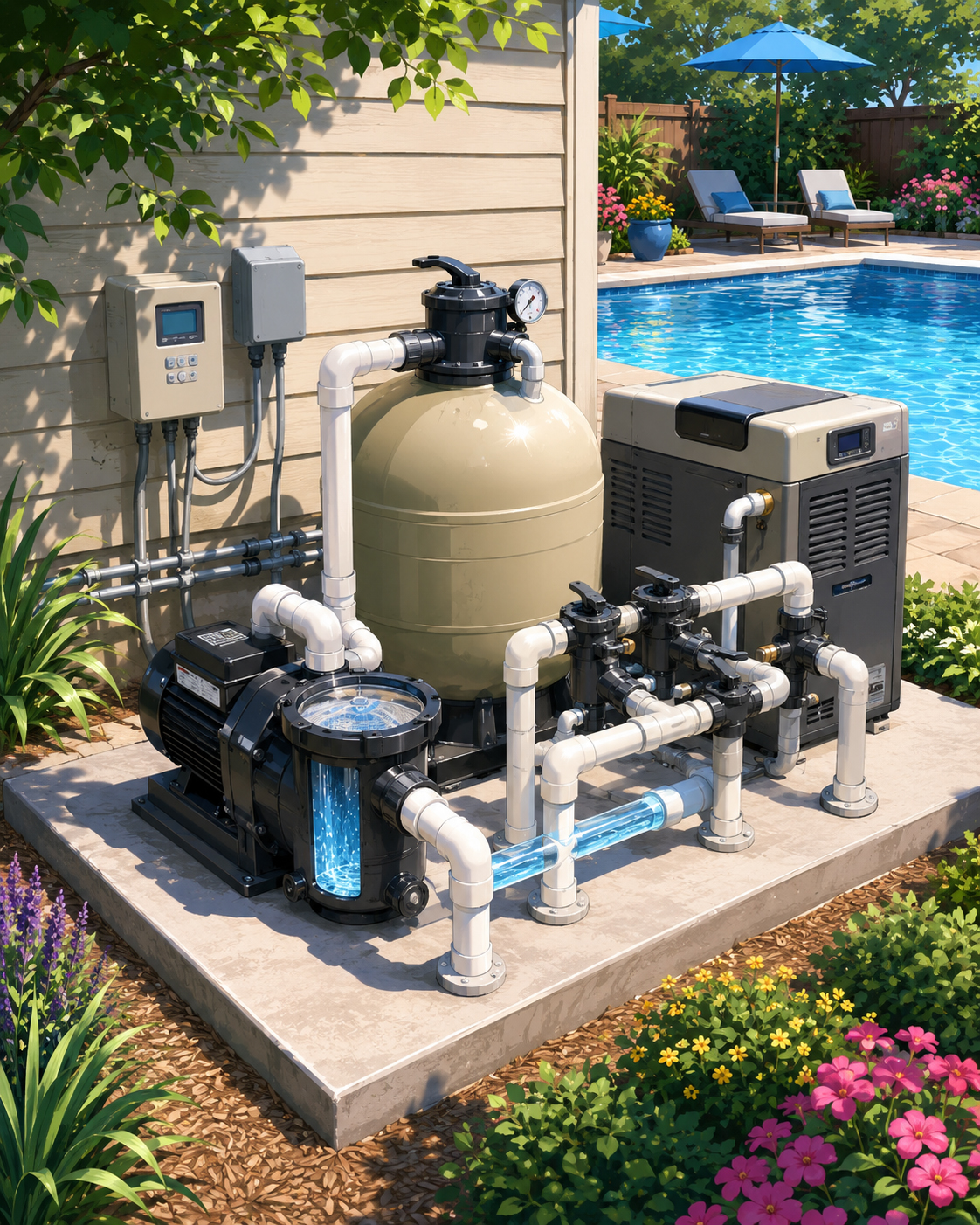
A pool pump circulates water through skimmers, drains, filters, heaters, sanitizers, and returns. The goal is clean circulation — not just brute pressure, noise, or the biggest motor on the pad.

Pool pump equipment pad in a sunny backyard

Plain-English answer

A pool pump is a circulation machine.

Pool pumps pull water from the pool through suction lines and send it through the filter and equipment before returning it to the pool. Most are centrifugal pumps, but the pool system around the pump decides how well the water actually moves.

Oversizing can waste energy, increase noise, stress plumbing, and make filtration less efficient.
Circulation

The pump moves water through the equipment loop.

Water travels from skimmers and drains to the pump, then through the filter, heater, sanitizer, valves, and return lines. Every part of that loop creates resistance.

A pool pump does not clean the pool by itself. It moves water so the filter and treatment system can work.
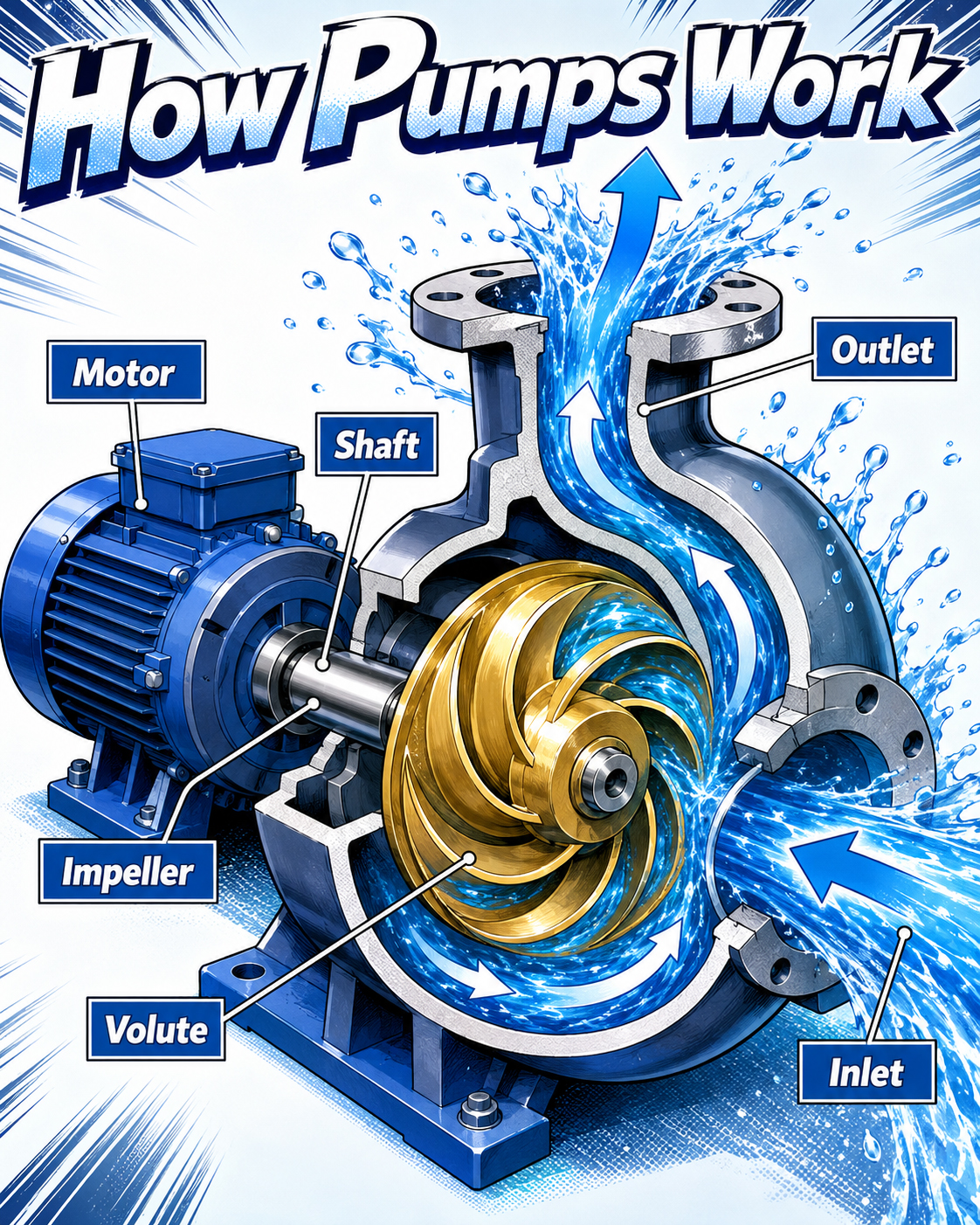
Cutaway image showing pump impeller and water movement
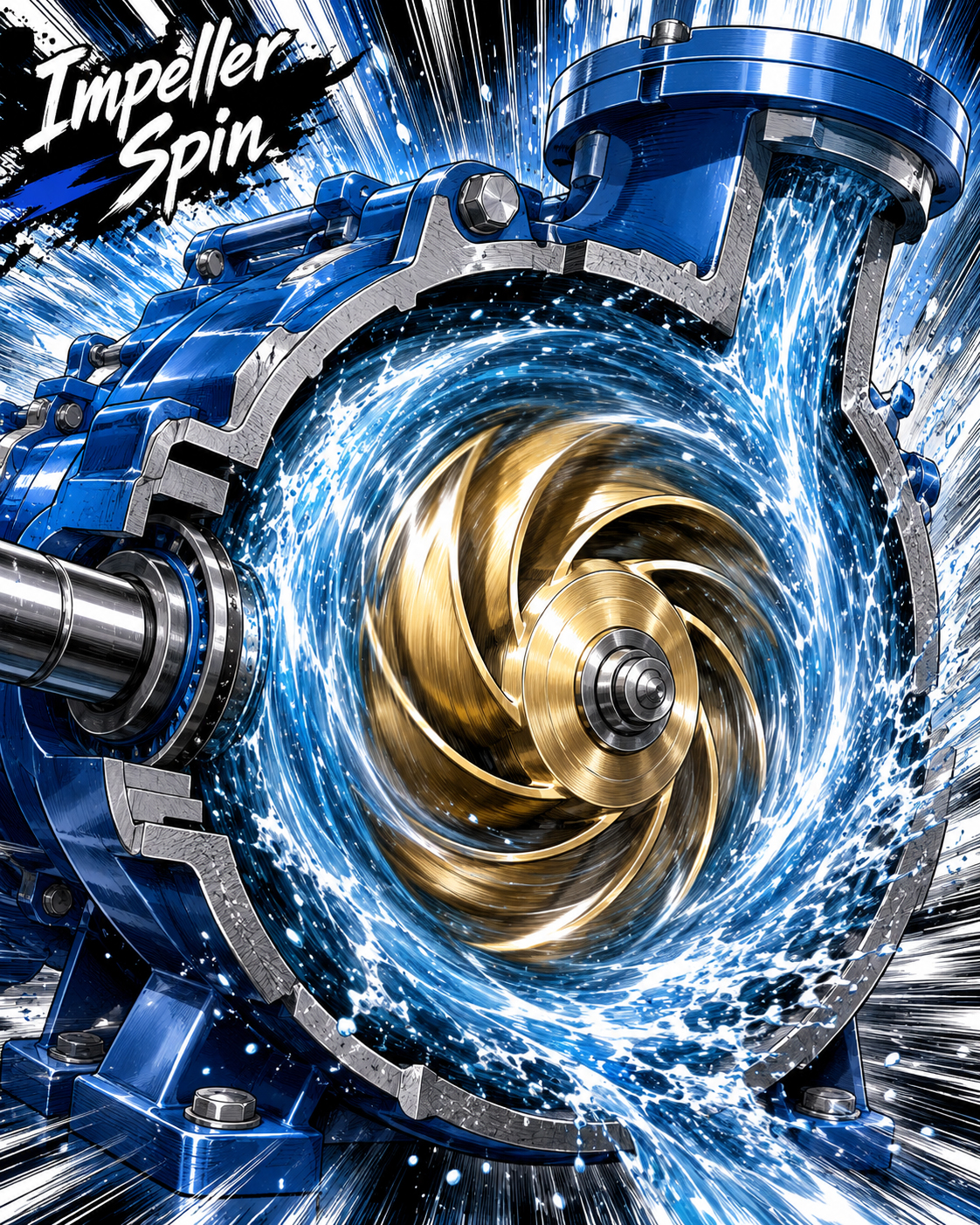
Centrifugal pump impeller spinning with water movement
Pump type

Most pool pumps are centrifugal.

The impeller spins and adds energy to water. The pump housing directs water into the discharge line. Suction-side air leaks, clogged baskets, dirty filters, and poor plumbing can make the pump perform badly.

Filtration

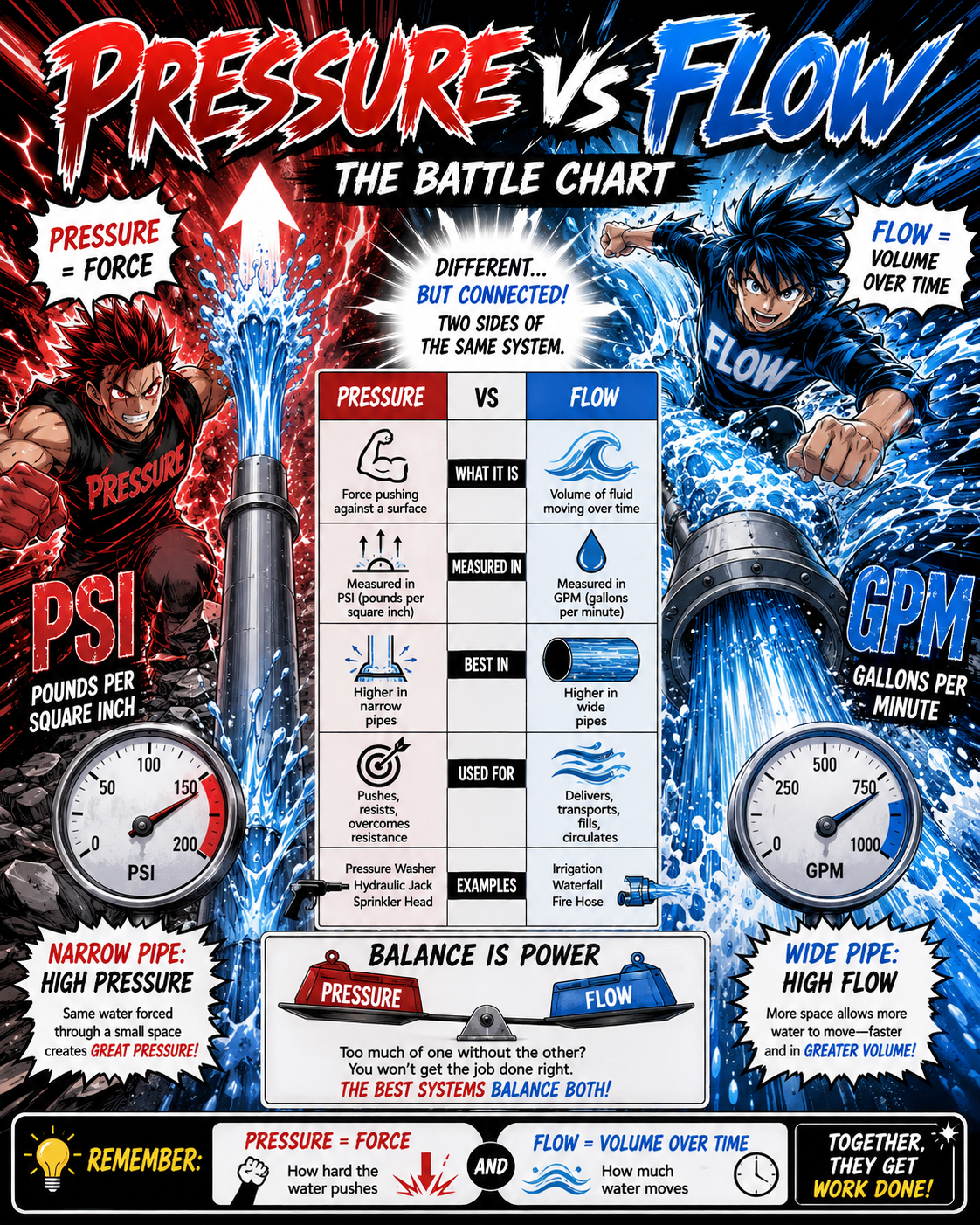
The filter changes pressure and flow.

A clean filter has lower resistance. A dirty filter makes the pump work against more restriction. Filter pressure gauges can help, but they must be read in context.

Backwashing or cleaning should follow the filter manufacturer’s instructions.

Pressure versus flow chart for filter and pool pump systems
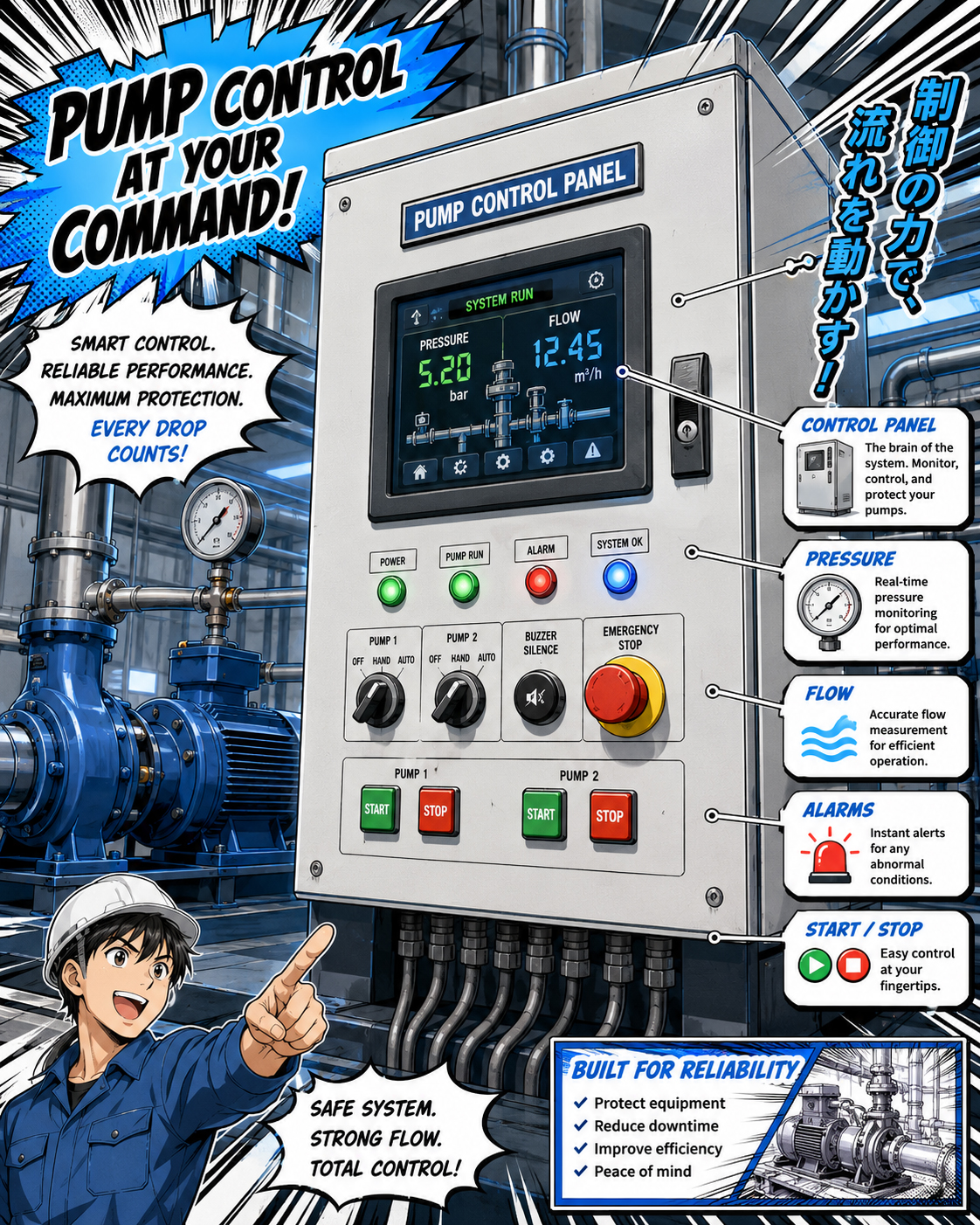
Pump control panel representing pool pump timers and controls
Variable speed

Variable speed can save energy when used correctly.

Many modern pool pumps can run at lower speeds for longer periods. Lower speed can reduce energy use, noise, and hydraulic stress — but the schedule must still support filtration, skimming, heating, sanitation, and water features as needed.

The right speed is the one that meets the pool’s actual circulation needs.
Priming

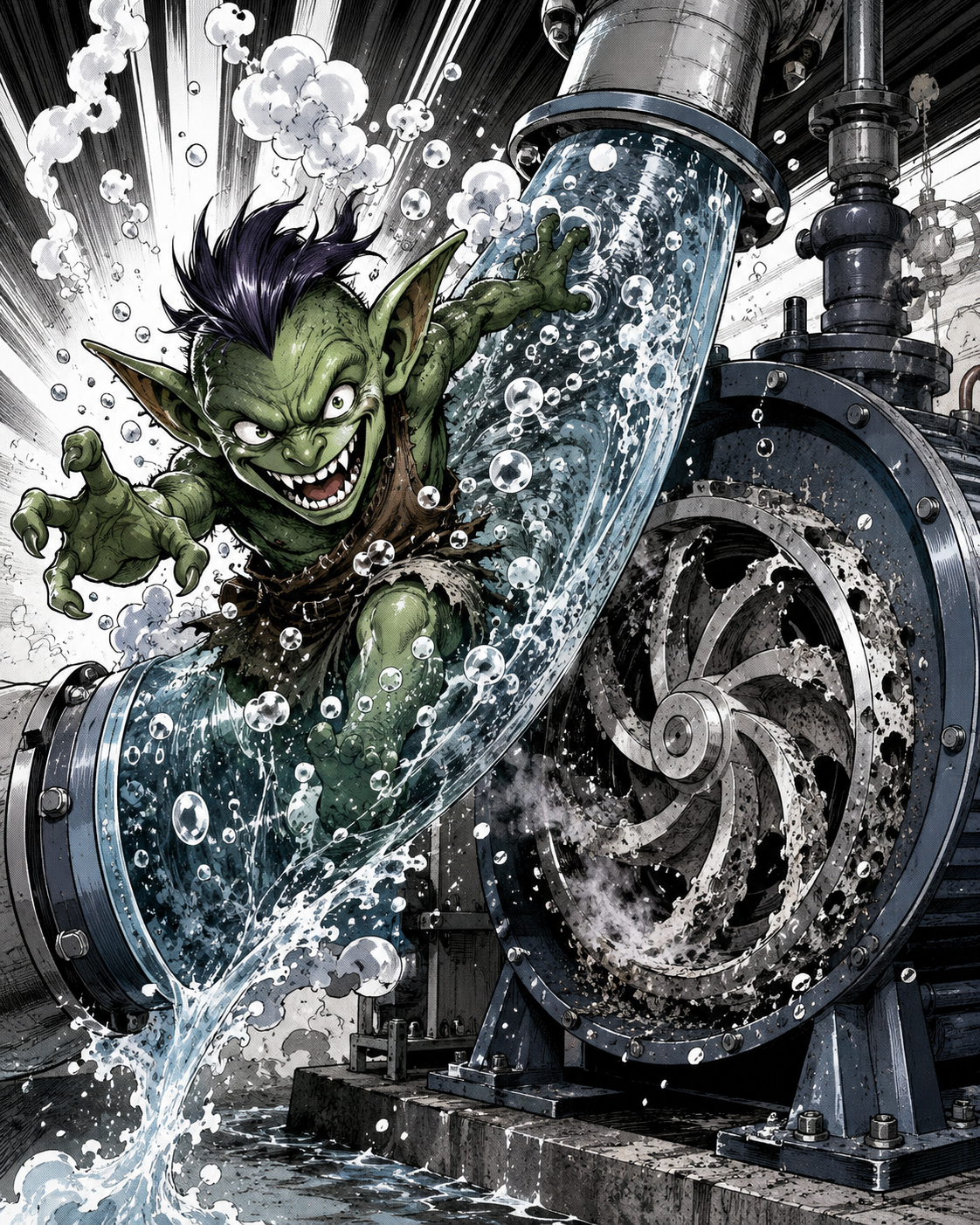
Air in the pump is a warning sign.

A pump basket that will not fill, visible bubbles, loss of prime, or noisy operation may point to suction leaks, low water level, clogged skimmer baskets, blocked lines, or lid gasket problems.

Cavitation Goblin in a pump suction line representing air and inlet trouble

Pool pump quick guide

Symptom Possible meaning What to check
Low return flow Filter restriction, clogged basket, valve issue, suction problem. Skimmer basket, pump basket, filter pressure, valve positions.
Air bubbles at returns Suction-side air leak or low pool water level. Pump lid, gasket, unions, suction valves, skimmer water level.
Pump will not prime Air leak, blocked suction, low water, bad lid seal, plumbing issue. Water level, baskets, lid seal, suction line, valves.
High filter pressure Dirty filter or downstream restriction. Filter cleaning, return valves, heater, equipment path.
Noisy pump Air, cavitation, bearing, debris, mounting, or hydraulic stress. Suction conditions, basket, filter, motor, pump base.
High energy use Oversized pump, high speed, long run time, hydraulic restriction. Speed schedule, plumbing, filter condition, pump sizing.
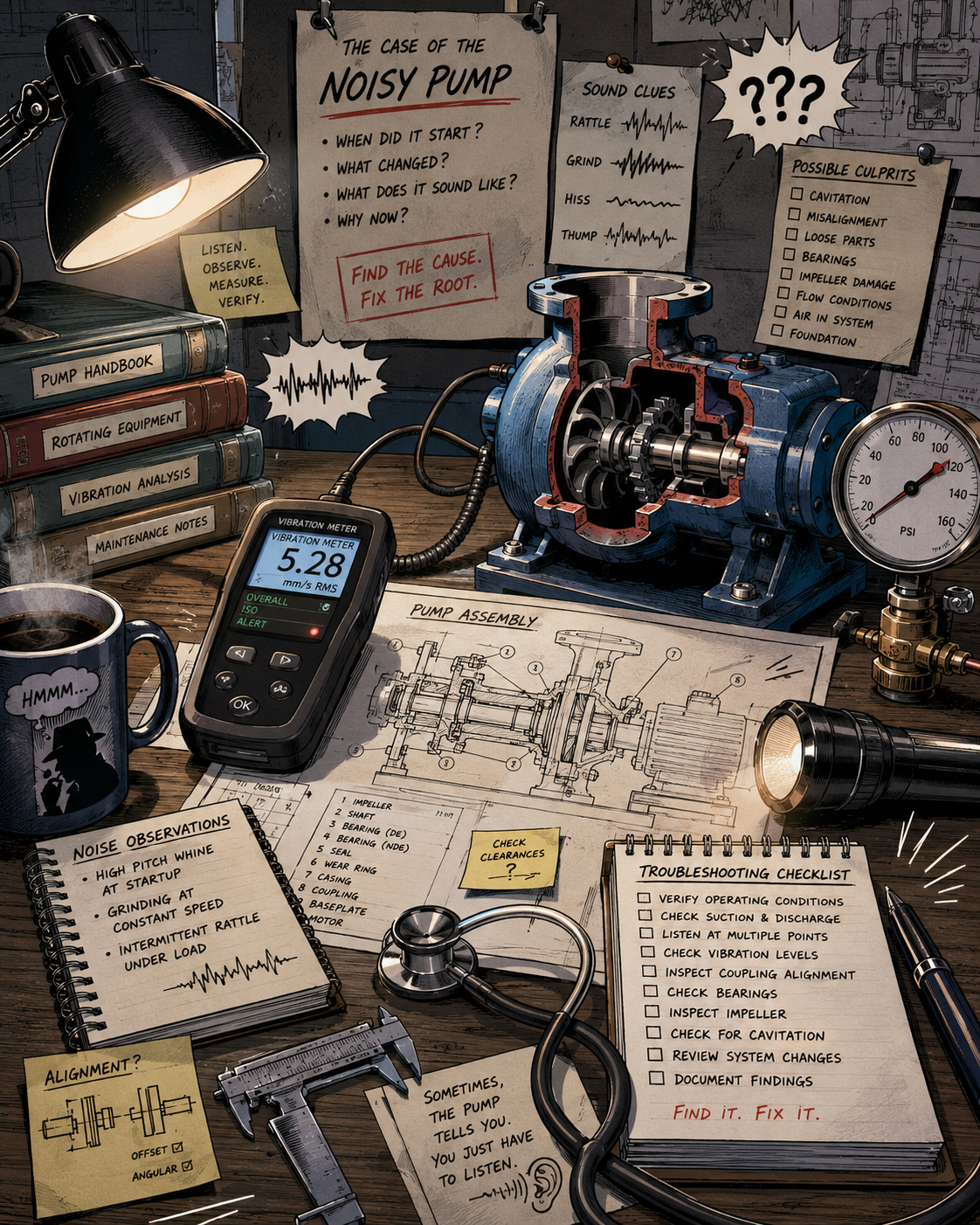
Pump troubleshooting desk with notes, gauges, and diagnostic clues
Troubleshooting

Do not solve every pool issue with pump speed.

Low skimming, weak returns, poor filtration, heater errors, bubbles, and noisy operation can come from clogged baskets, dirty filters, air leaks, valve settings, water level, or equipment problems.

Speed is a control. It is not a cure for every plumbing problem.

Keep learning

Related PumpDaily guides

Safety note: Pool pump systems may involve electricity, wet locations, suction entrapment hazards, pressure, chemicals, heaters, automation, and local code requirements. PumpDaily is educational only.