Pump family

Booster Pumps

A booster pump raises usable pressure when the available supply is not enough. It can help homes, buildings, irrigation zones, filtration systems, and long pipe runs — but boosting pressure without understanding flow creates expensive confusion.

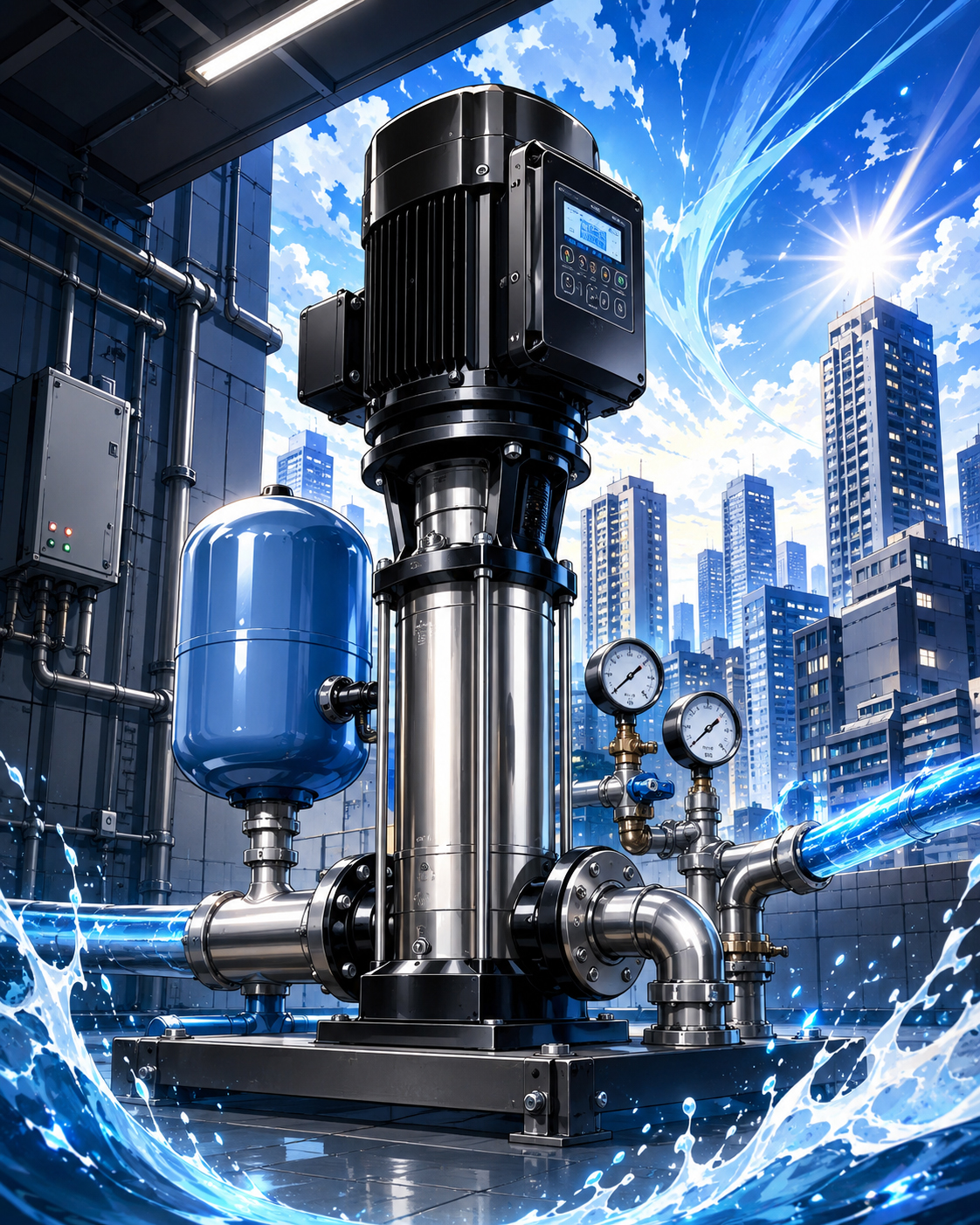
Booster pump in a dramatic city pressure system

Plain-English answer

A booster pump helps increase pressure where the system needs it.

Booster pumps are used when incoming pressure is too low, pipe runs are long, elevation is high, filters or equipment create pressure drop, or fixtures and zones need more usable pressure.

The goal is not simply a higher gauge reading. The goal is enough flow at enough pressure at the destination.
Pressure helper

Boosting pressure does not create unlimited water.

A booster pump can raise pressure, but it cannot invent supply. If the incoming water source cannot provide enough flow, the booster may starve, cycle, cavitate, or create poor performance.

A booster pump needs a real water supply to boost.
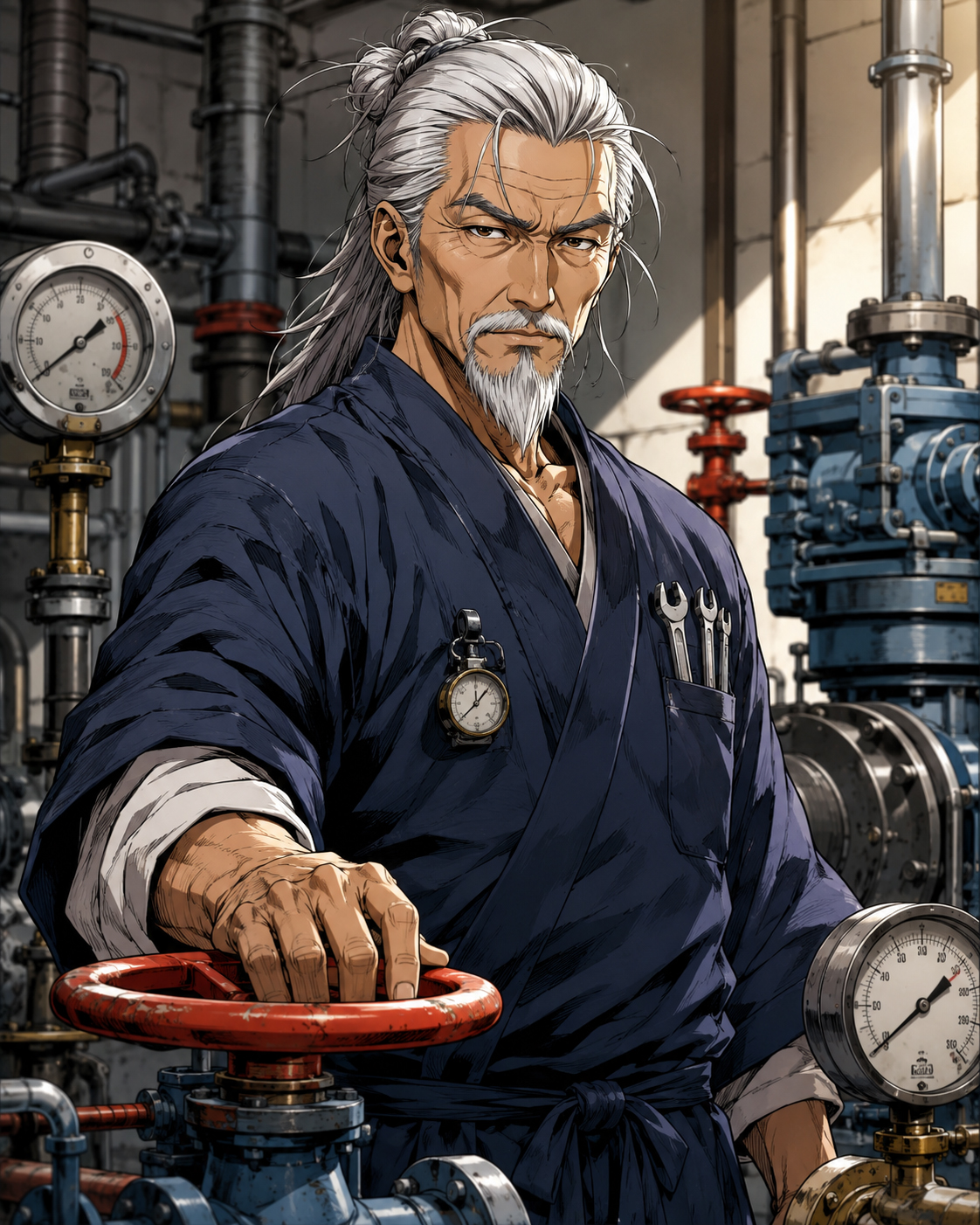
Pressure Sensei teaching pressure and pump control
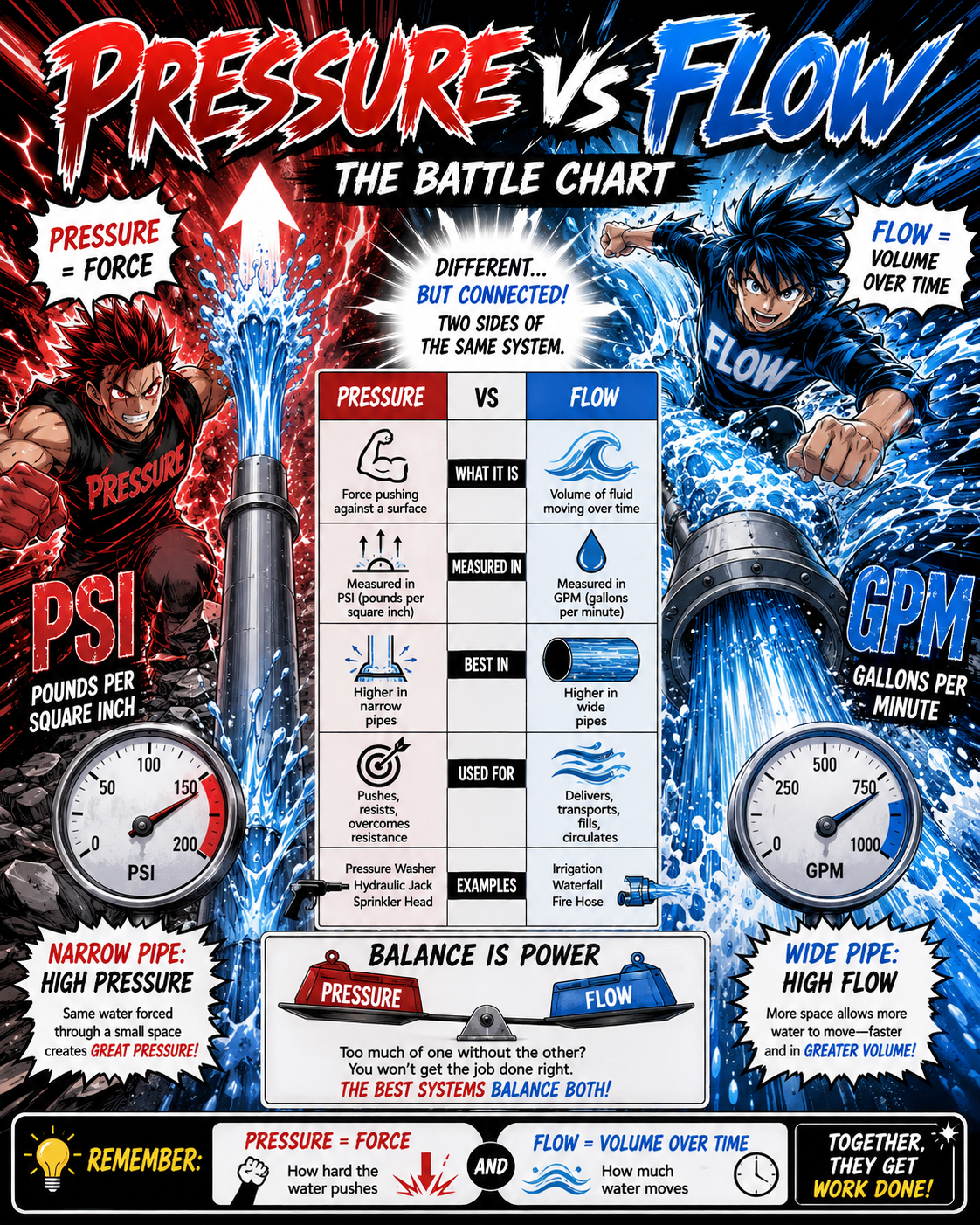
Pressure versus flow chart for booster pump systems
Flow demand

Pressure and flow must be designed together.

A building or irrigation zone may need a certain pressure at a certain flow rate. A pump selected only by horsepower or outlet size may fail the actual duty point.

Always ask: how much water, at what pressure, at which location, and under what demand?

Controls

Controls keep the booster from acting wild.

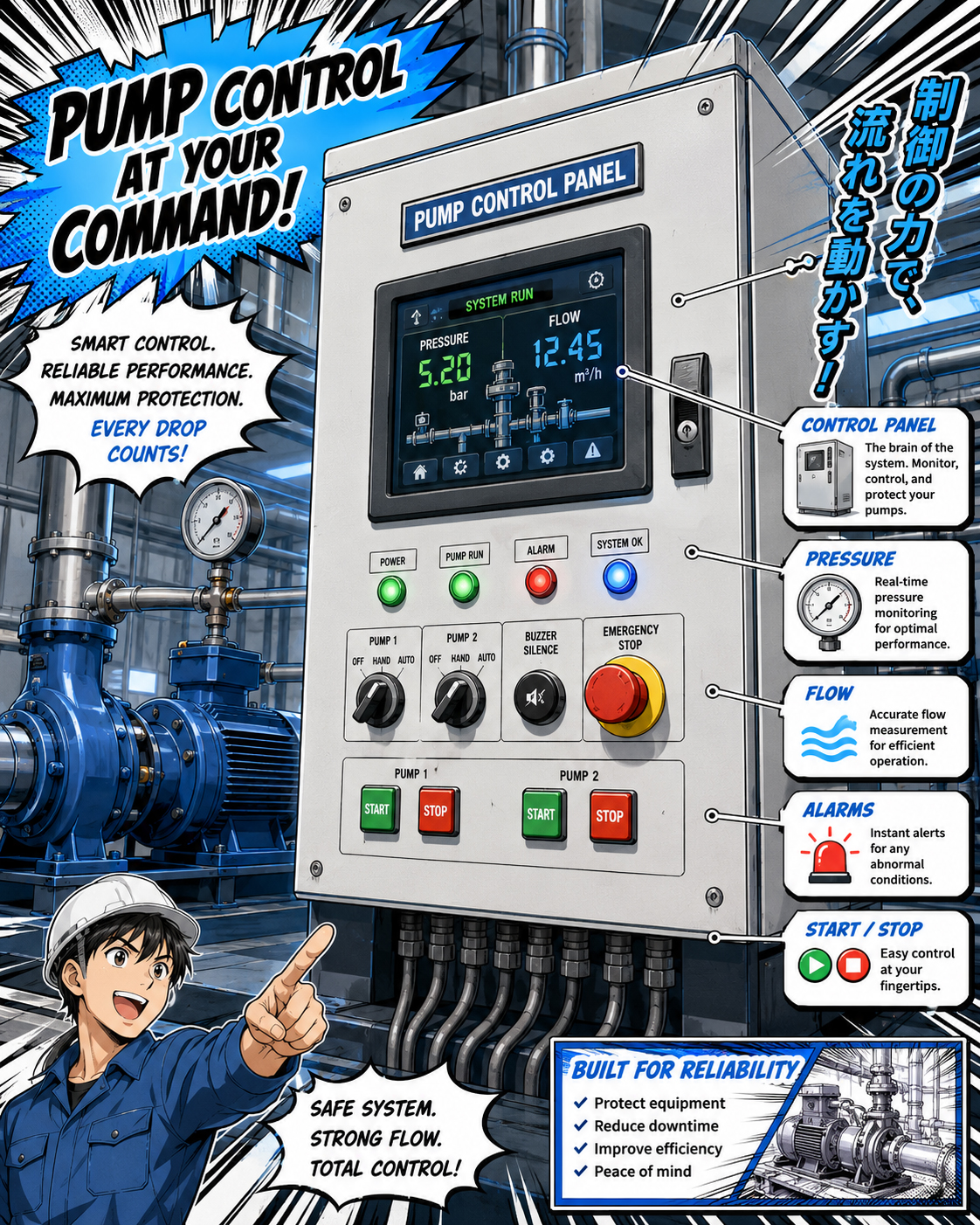
Booster systems may use pressure switches, pressure sensors, pressure tanks, variable frequency drives, flow switches, controllers, or building automation signals.

Poor controls can cause short cycling, pressure swings, nuisance trips, or premature equipment wear.

Pump control panel for managing booster pump pressure
Pump troubleshooting desk with pressure notes and gauges
Cycling

Short cycling is a clue, not a personality.

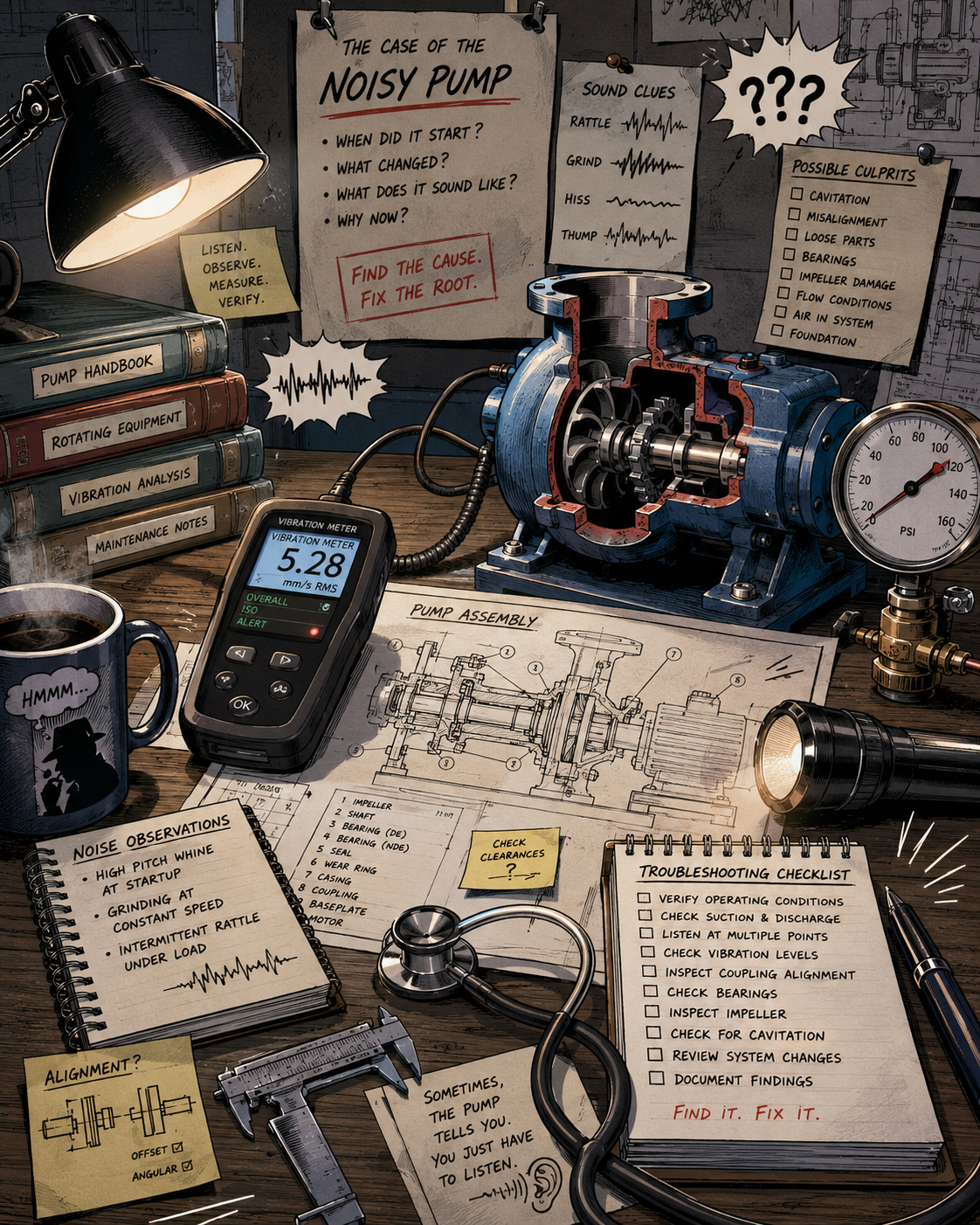
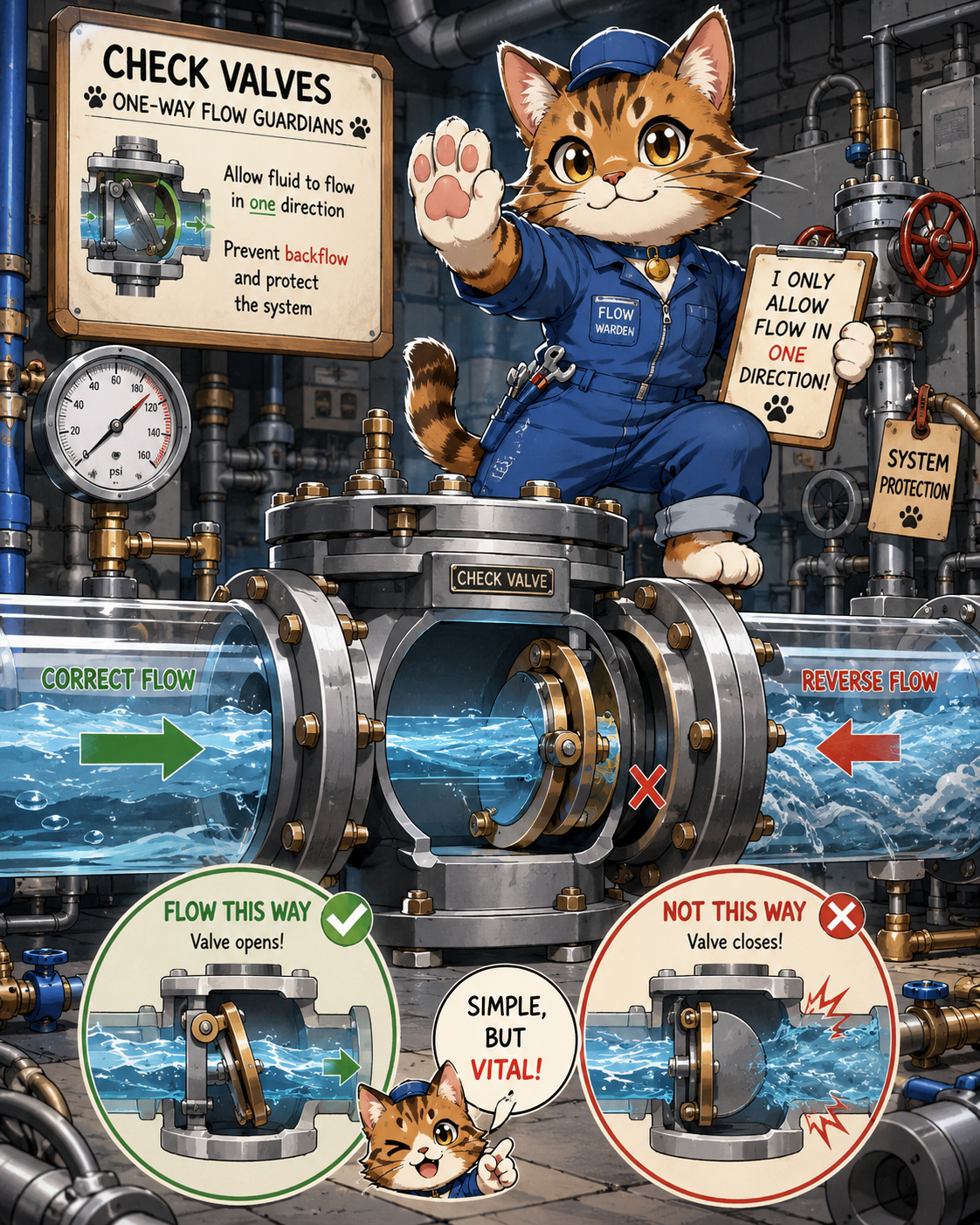
Rapid starts and stops may point to a bad pressure tank, wrong settings, undersized tank, leak, failed check valve, wrong controller behavior, or poor pump sizing.

A booster system should not be hammering itself to death just to wash dishes.
Pipe limits

The piping may be the bottleneck.

If the pipe is undersized, old, restricted, corroded, or full of fittings, a booster pump may raise pressure without delivering useful flow. Pushing harder through a bad path can add noise, velocity, and stress.

Check Valve Cat guarding flow direction in a pressure system

Booster pump quick guide

Issue What it may mean What to check
Low pressure at fixtures Supply pressure, pipe loss, demand, or control issue. Static pressure, running pressure, flow rate, pipe path.
Good pressure near pump, weak far end Pipe loss, restriction, undersized line, or high demand. Pressure at destination, flow at destination, filters, valves.
Rapid cycling Tank, switch, leak, controller, or sizing problem. Pressure tank, settings, check valve, leaks, controller logic.
Noisy booster Vibration, cavitation, air, pipe stress, or bearing issue. Suction conditions, mounting, pipe supports, inlet pressure.
Trips or shuts down Electrical, overload, dry-run, pressure limit, or control fault. Power, fault codes, motor data, incoming water, settings.
Oversized pump Too much pressure, cycling, noise, energy waste, stress. Duty point, curve, control method, tank size, relief strategy.
Pressure Sensei closing a valve to teach pressure and flow
Bad shortcut

Do not solve every pressure complaint with a bigger pump.

Bigger can mean louder, harder cycling, more energy use, excessive pressure, more stress on piping, and worse control behavior. Sometimes the fix is pipe size, tank adjustment, filter cleaning, valve correction, leak repair, or better control logic.

Bigger is not a diagnosis.

Keep learning

Related PumpDaily guides

Safety note: Booster pump systems may involve electricity, pressure, pressure tanks, relief protection, potable water, leaks, water damage, and code requirements. PumpDaily is educational only.