Episode 4

Pressure Sensei Closes the Valve

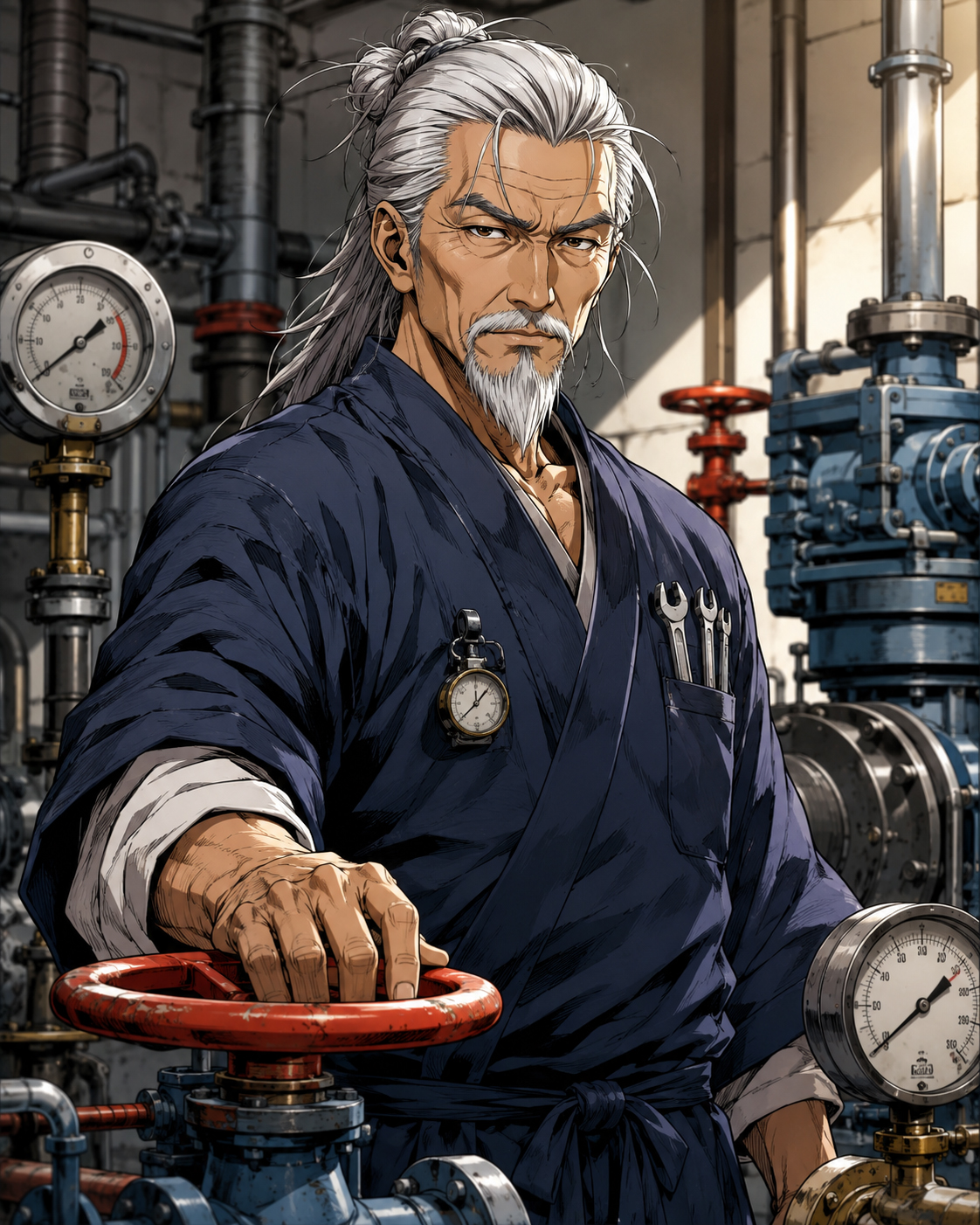
Madame Flow explained the pump curve. Now Pressure Sensei reaches for the valve handle and teaches the lesson every gauge wants to hide: PSI is not GPM.

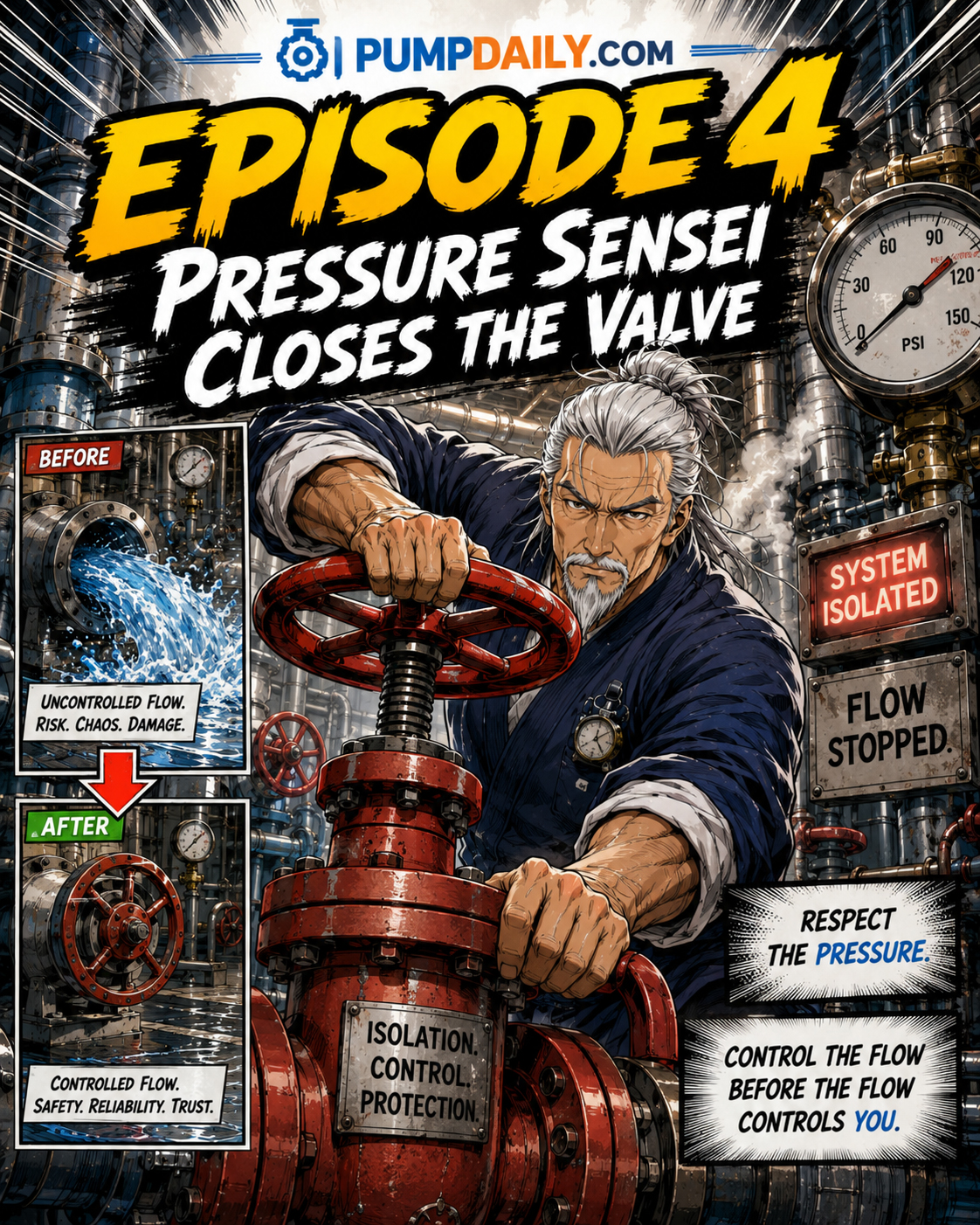
Episode 4 cover showing Pressure Sensei closing a valve in a pump room

Manga lesson

The gauge needle rises. Pump Boy celebrates too early.

Pressure Sensei stands beside a discharge valve. The pump is running. Water is moving. The gauge reads steady. Pump Boy is already feeling confident.

Pressure Sensei says nothing. He closes the valve a little. The pressure gauge rises. Pump Boy cheers. Madame Flow sighs.
Panel 1

The valve becomes a restriction.

A valve is not just an on/off prop. When partly closed, it adds resistance. The pump now has to push against a harder path.

Pressure Sensei closing a valve
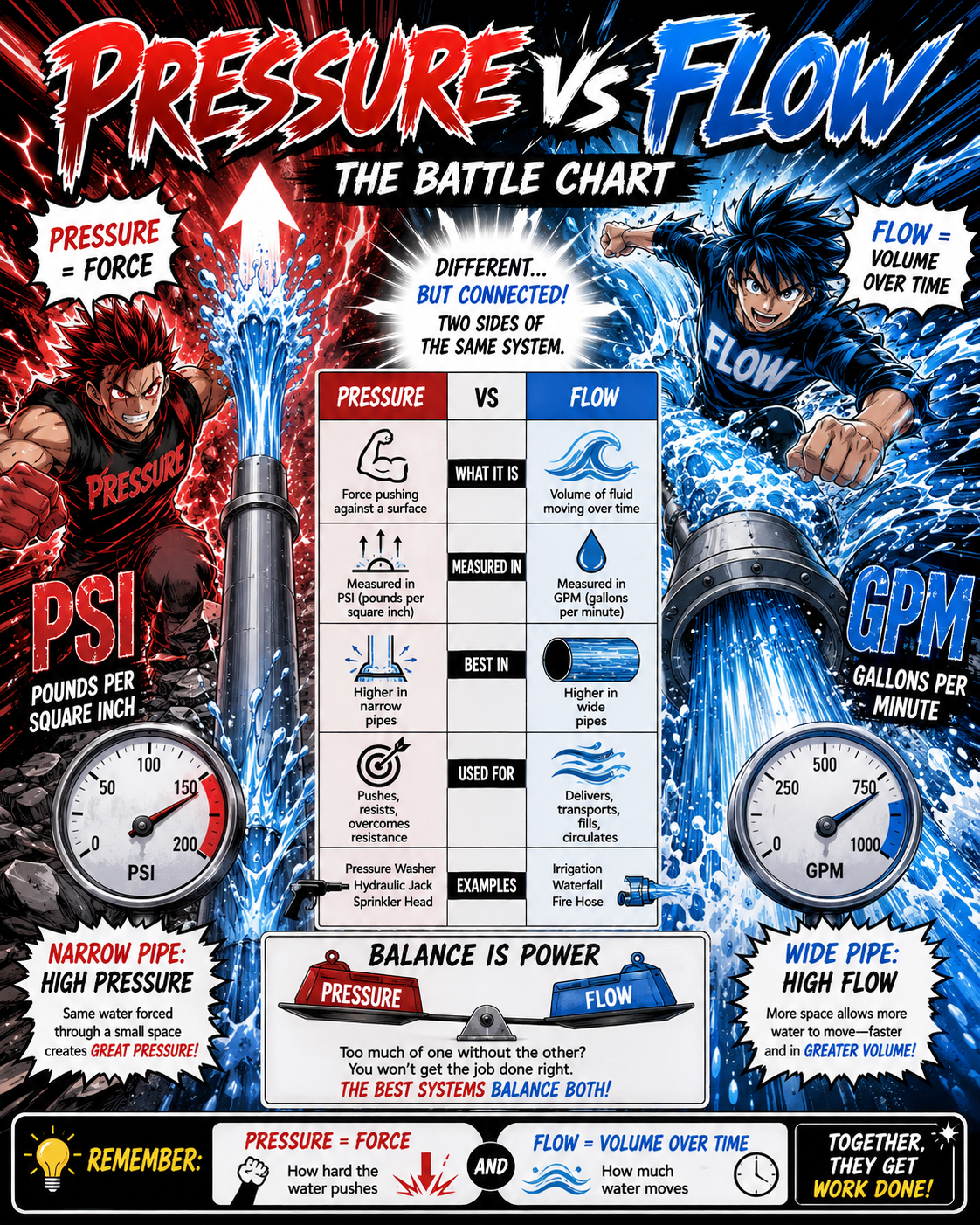
Pressure versus flow shown as a manga battle chart
Panel 2

Pressure rises while flow falls.

Pump Boy sees the gauge rise and assumes the pump is doing better. Pressure Sensei points to the flow path. Less water is moving through the restriction.

“A gauge can be honest and still not tell the whole story.”
Panel 3

PSI and GPM introduce themselves properly.

PSI is pressure: force in the system. GPM is flow: the amount of water moving through the system. They interact, but they are different measurements.

Pressure Sensei teaching PSI, valves, and gauges
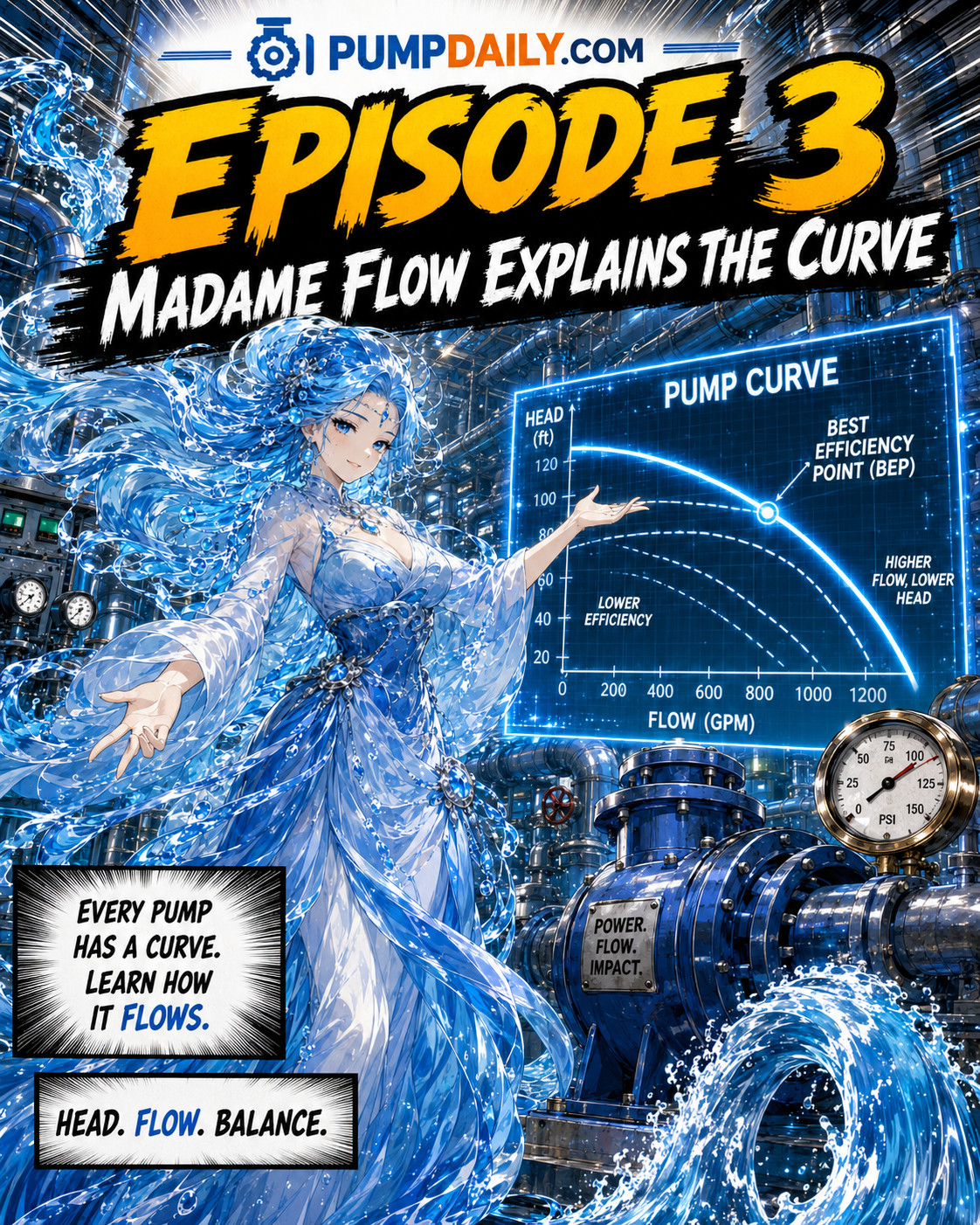
Madame Flow explaining a pump curve
Panel 4

The system curve shifts.

When the valve closes, the system resistance changes. The pump is now operating at a different point on its curve. The pump curve did not disappear. The system changed the question.

Panel 5

The far end complains.

At the far end of the system, a sprinkler droops. A tank fills too slowly. A pool return weakens. A pump-room pressure reading did not guarantee success at the destination.

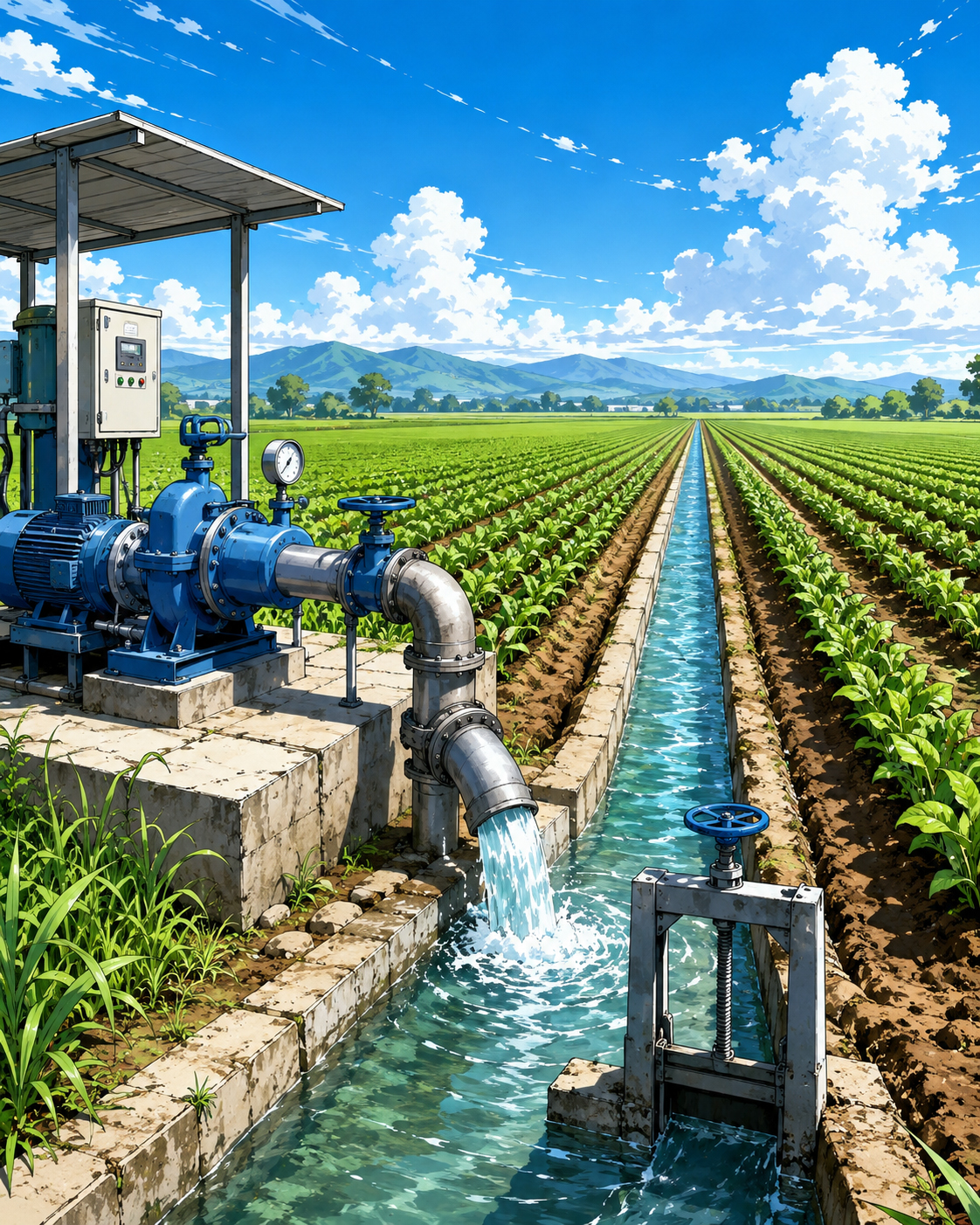
Irrigation field lines showing water delivery across a long system
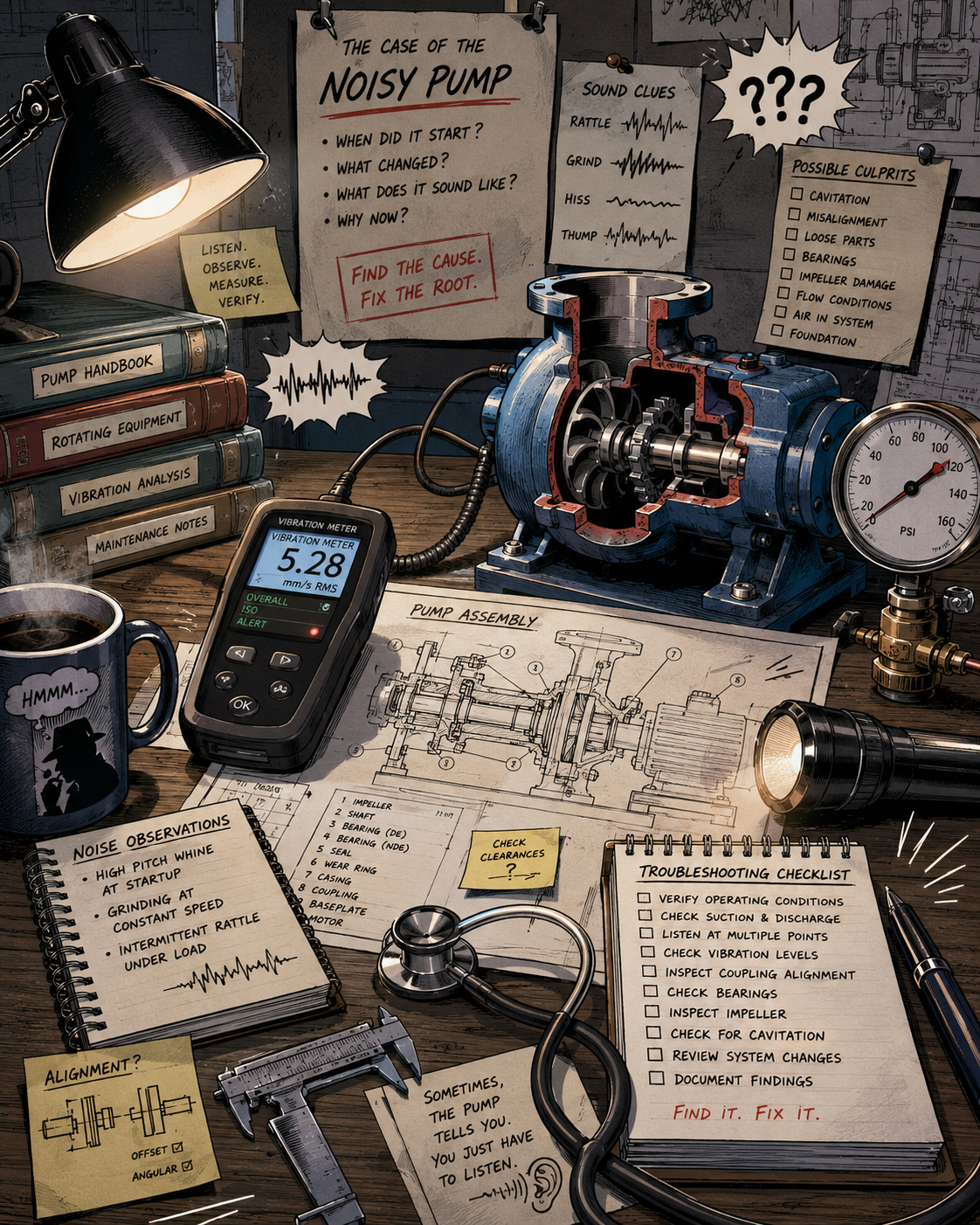
Pump troubleshooting desk with gauges and notes
Panel 6

Deadhead gets mentioned and everyone gets quiet.

Running a pump against a closed discharge can be dangerous for many systems. With little or no flow, heat can build, seals can suffer, and equipment can be damaged.

Do not use a closed valve as a substitute for understanding the system.

What Episode 4 teaches

Lesson Plain-English takeaway
Pressure is not flow PSI measures force. GPM measures water volume moving over time.
Valves add resistance Partly closing a valve can raise gauge pressure while reducing flow.
Gauge readings need context One pressure gauge does not prove useful delivery at the far end.
The operating point changes Changing system resistance changes where the pump operates on its curve.
Deadheading can be harmful Running against a closed discharge can damage many pump systems.
The destination matters The system succeeds only if required pressure and flow arrive where needed.

Episode ending

Pump Boy lowers his wrench and looks at the valve with new respect. Pressure Sensei nods once. Then, from below the floor, a tiny voice squeaks:

“The basement water is rising.”

Safety note: Pump pressure, closed valves, and deadhead conditions can damage equipment. PumpDaily is educational only; use qualified professionals for real systems.

Season guide

Continue the PumpDaily season