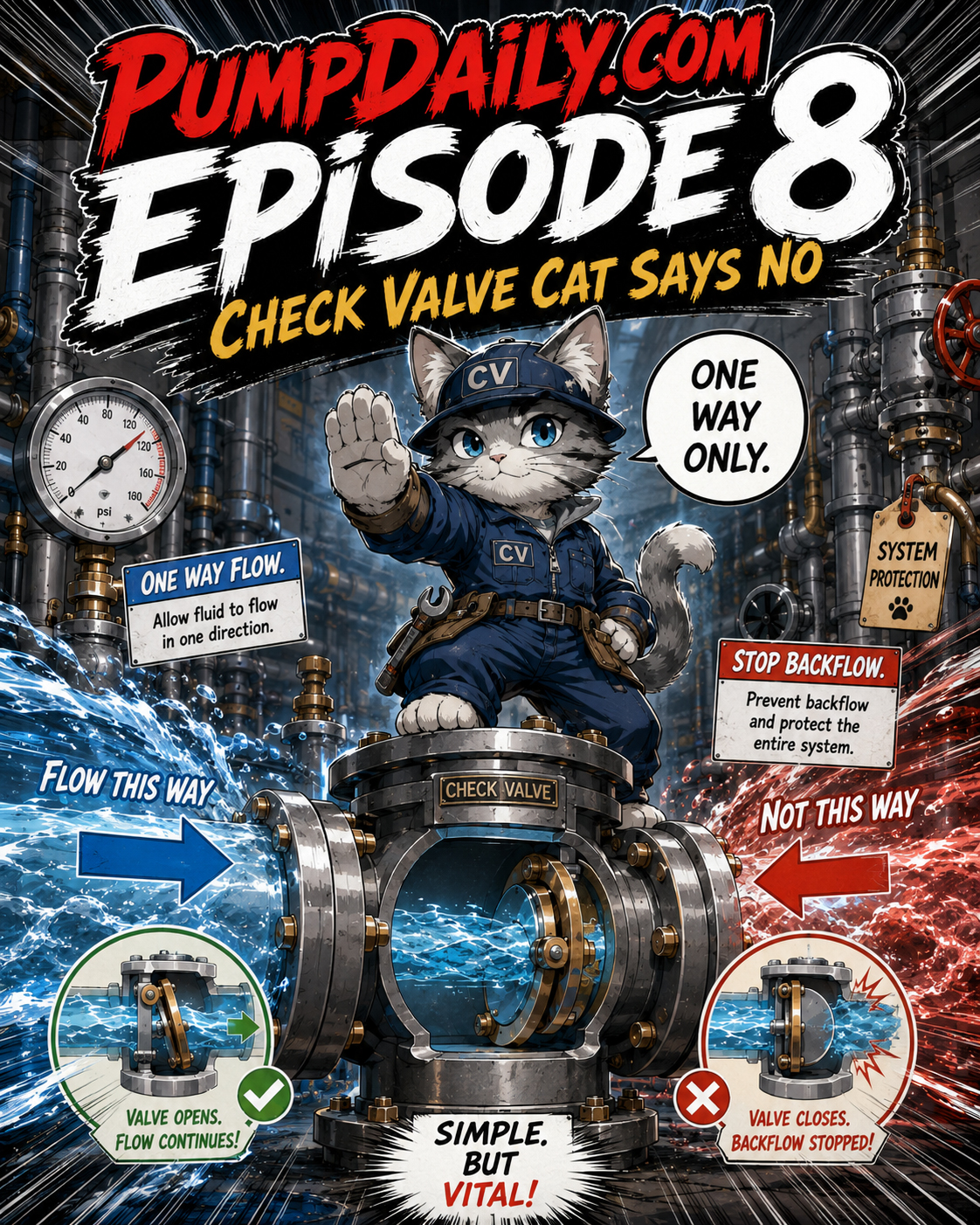
Episode 8

Check Valve Cat Says No

Water wants to go backward. The pump wants to rest. The system needs one quiet guardian who understands direction, timing, and the sacred word: no.

Episode 8 cover showing Check Valve Cat stopping reverse flow

Manga lesson

The water tries to sneak backward.

The solar pump slows. The discharge line is full. Gravity clears its throat. Water begins thinking about returning where it came from.

Check Valve Cat sits on the pipe, raises one paw, and says the most important word in the pump room: “No.”
Panel 1

Flow has a direction.

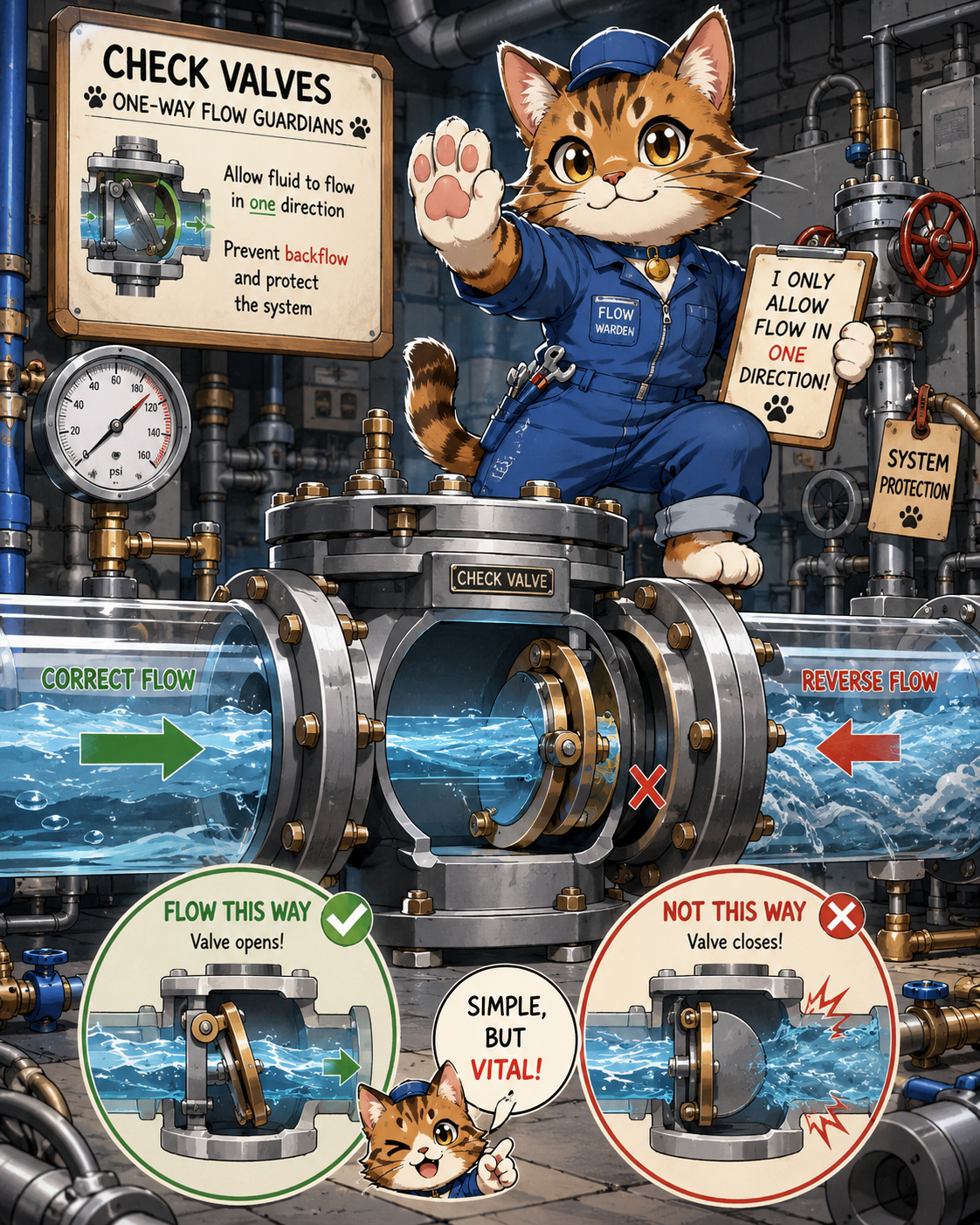
A check valve is installed to allow flow in one direction and help prevent reverse flow. The arrow on the valve body matters. Direction is not decorative.

Check Valve Cat guarding one-way water flow
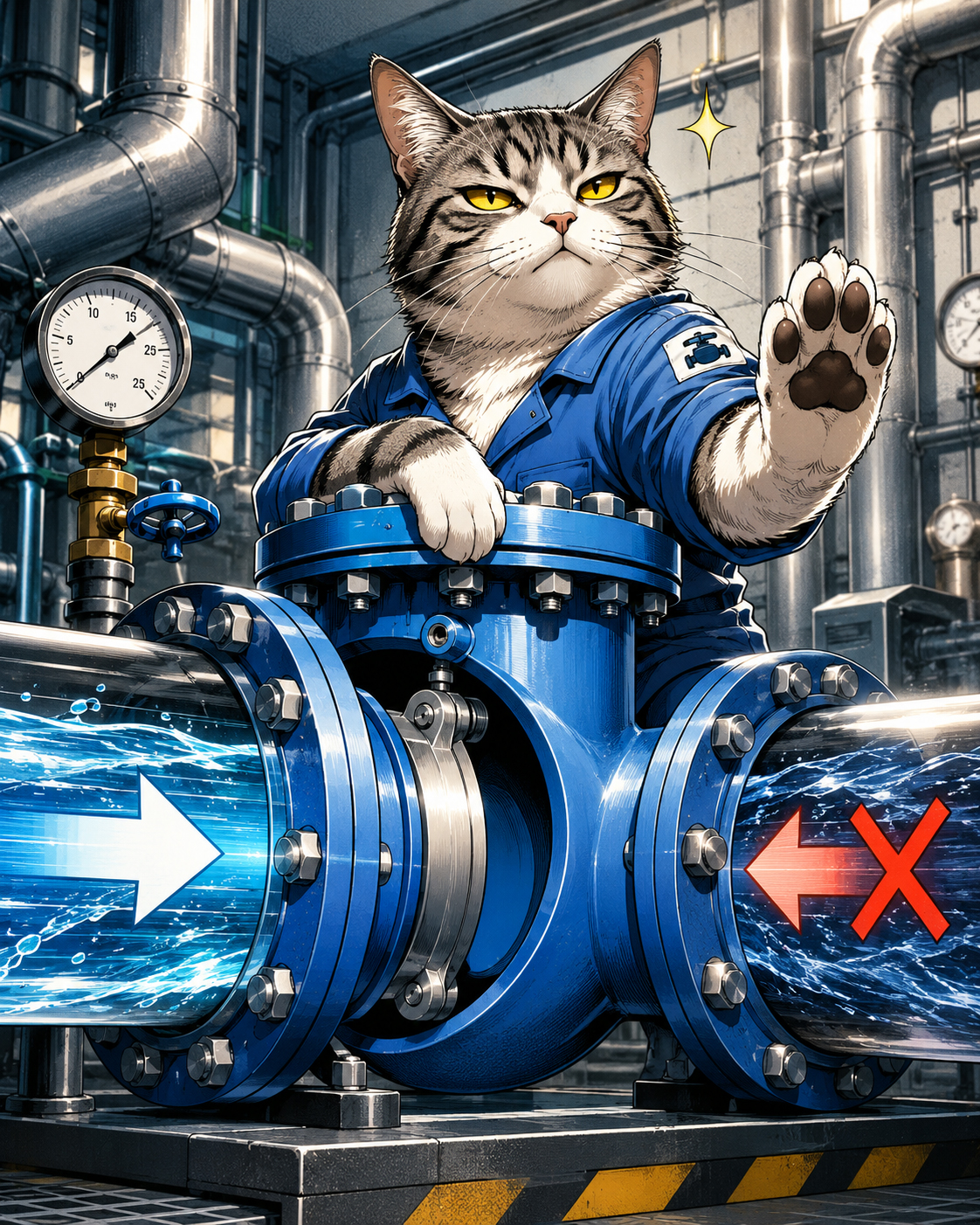
Check Valve Cat saying no to backward water flow
Panel 2

Reverse flow causes mischief.

Without a working check valve, water can drain backward, spin a pump the wrong way, refill a sump pit, lose prime, or make a system cycle more than it should.

“Backward water is not a personality. It is a problem.”
Panel 3

Sump pumps need a firm no.

In a sump discharge, water left in the vertical pipe can fall back into the pit after the pump shuts off. A check valve helps stop the same water from being pumped again and again.

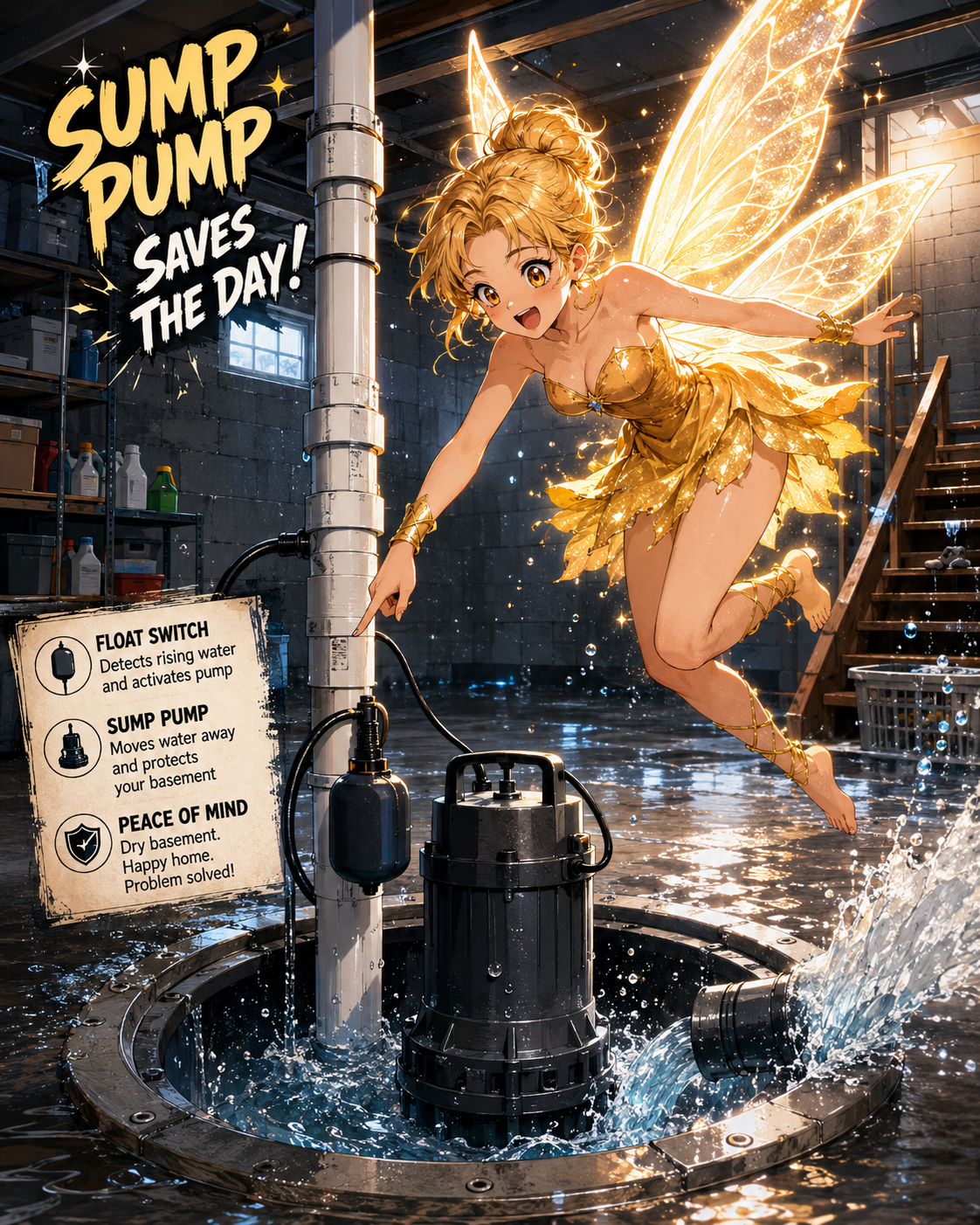
Sump pump basement scene with Float Switch Fairy
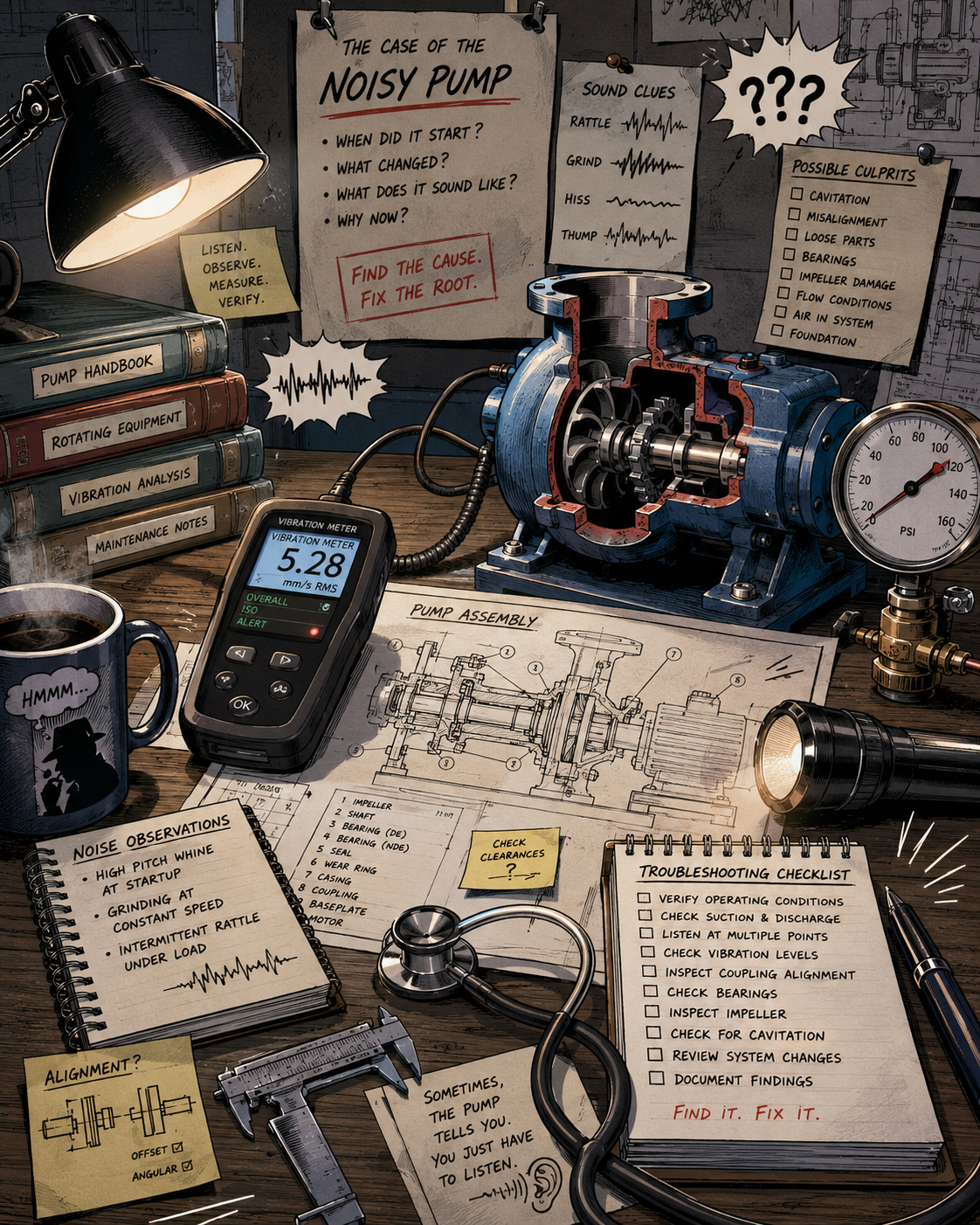
Pump troubleshooting desk with noise and pressure clues
Panel 4

Water hammer enters loudly.

A valve that closes too abruptly can contribute to banging, shock, and vibration. Valve type, location, flow speed, pipe support, and system design all matter.

A check valve should stop reverse flow without creating a new monster.
Panel 5

Placement is part of the story.

Check valves must be selected and installed for the actual application: orientation, pressure, material, service type, debris, access, maintenance, and manufacturer instructions.

Pump manuals and technical sources in a PumpDaily library scene
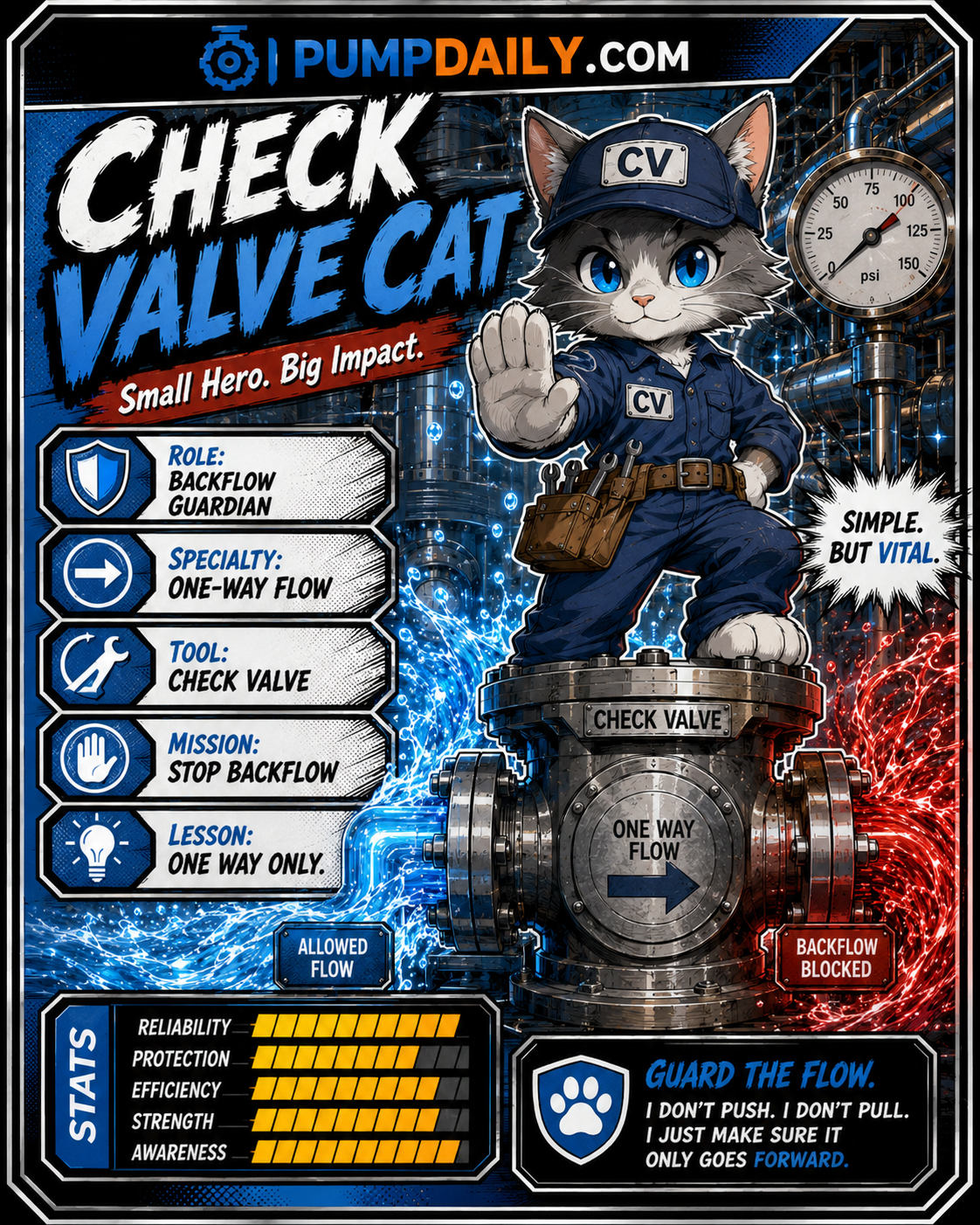
Check Valve Cat character card
Panel 6

The Cat is quiet until needed.

Most of the time, a check valve is not the star. It sits in the line and waits. When pressure changes and water tries to reverse, the small guardian does its job.

What Episode 8 teaches

LessonPlain-English takeaway
Check valve purposeAllows flow one way and helps prevent reverse flow.
Direction mattersInstall according to the flow arrow and manufacturer instructions.
Reverse flow causes troubleIt can drain lines, refill pits, lose prime, or cause unwanted cycling.
Water hammer is realFast valve closure and system conditions can create shock and noise.
Application mattersValve type, material, pressure rating, orientation, and service conditions must match the system.
Maintenance mattersDebris, wear, and sticking can keep a check valve from doing its job.

Episode ending

The water stays where it belongs. The pump rests. The basement is dry, the tank is full, and the field has been watered.

Check Valve Cat curls up beside the pipe. Pump Boy finally understands: sometimes the smallest part is the only reason the system behaves.

Safety note: Check valves can affect pressure, serviceability, code compliance, water quality, and equipment operation. PumpDaily is educational only.

Season guide

Season 1 complete